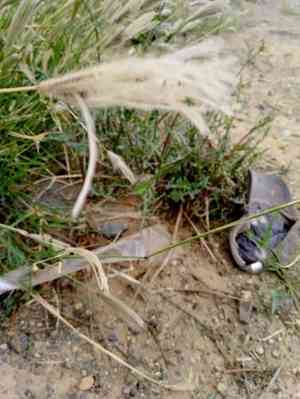
Mexican windmill grass (Chloris submutica)
Also known as: None
Mexican windmill grass is a hardy species well-suited for arid, sandy environments. It features slender, upright stems that usually stay below a foot in height, with narrow leaves and distinctive spiked seed heads. The grass's compact stature and durable foliage are key to its ability to conserve water and withstand grazing pressures. Small, purplish spikelets appear in full sunlight, enhancing the diversity of the grassland ecosystem.
In This Article
Attributes of Mexican windmill grass
Lifespan
Perennial
Plant Type
Grass
Plant Height
Approximately 50 to 100 cm
Spread
Approximately 10 cm
Leaf Color
Green
Flower Size
Less than 1 cm
Flower Color
Greenish
Images of Mexican windmill grass
Quickly Identify Mexican windmill grass
1
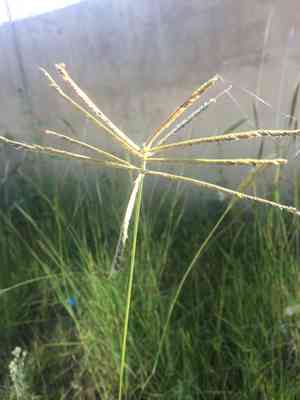
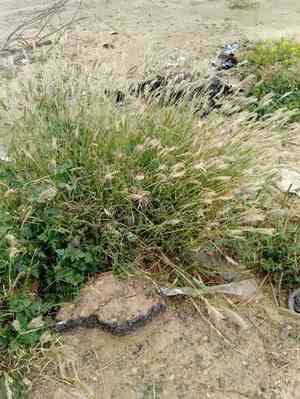
Chloris submutica can be identified by its slender, erect stems and narrow leaves. The flowering spikes are also a key feature, often forming a distinctive \'finger-like\' structure.
Scientific Classification of Mexican windmill grass
Phylum
Vascular plants
Class
Monocotyledons
Order
Poales
Family
Grass
Genus
Windmill grasses
Species
Mexican windmill grass
Planting and Growing of Mexican windmill grass
Care Difficulty
Easy
Watering Schedule
Every 2 days
Sunlight Requirements
Partial sun
Sunshine Duration
6-10 hours
Ideal Temperature
65-75℉
Soil Type
Potting Mix, Peat Mix
Soil pH
6.5-7.5
Fertilizer Type
Balanced
Pruning Season
Spring, Summer
Pruning Area
Branches, Leaves
Pruning Frequency
2 times a year
Repotting Season
Spring
Pot Type
Plastic, Ceramic
 How to Water Mexican windmill grass?
Chloris submutica should be watered with approximately 300 milliliters each session. The key is to ensure the soil is moist without being overly saturated. You aim for a thorough soak that moistens the root zone, allowing the water to properly infiltrate the soil.
What are the symptoms of an underwatered Mexican windmill grass?
›
What should I do if my Mexican windmill grass is not getting enough water?
›
What are the symptoms of an overwatered Mexican windmill grass?
›
How to save an overwatered Mexican windmill grass?
›
 What Are the Sunlight Requirements for Mexican windmill grass?
Chloris submutica thrives in partial sun conditions, benefiting from 2 to 4 hours of filtered sunlight with great vigor and lush, vigorous growth, optimizing its photoreactive and photosynthetic processes.
Question: What type of location provides ideal lighting for Chloris submutica?
›
Question: How can I mimic natural sunlight conditions indoors?
›
Question: What are the benefits of providing ideal lighting?
›
 What Is the Ideal Temperature Range for Mexican windmill grass?
The ideal temperature range for Chloris submutica, commonly known as Green Bristlegrass, is between 65°F and 75°F. In this range, the plant can efficiently photosynthesize and grow without experiencing stress from extreme temperatures. This range supports optimal growth and development, ensuring the plant remains healthy and lush.
 What Soil is Best for Mexican windmill grass?
Chloris submutica thrives in well-aerated soils that prevent waterlogging and promote root health. Good aeration ensures that roots have access to oxygen, vital for nutrient uptake. This plant prefers soils with moderate nutrient levels. Excess nutrients can lead to aggressive growth, which may require more frequent maintenance. Adequate soil drainage is crucial as it helps prevent root rot and fungal diseases by allowing excess water to move away from the root zone effectively.
 How to Fertilize Mexican windmill grass?
For Chloris submutica, the right amount of fertilizer is essential for optimal growth. A balanced NPK 10-10-10 liquid fertilizer is recommended, mixed at one tablespoon per gallon of water. For slow-release granules, use about one ounce per square foot of soil surface. Avoid over-fertilization by sticking to these guidelines.
 How to Prune Mexican windmill grass?
Begin by trimming back any dead or damaged stems. Aim for a shape that encourages sunlight penetration and air flow, but avoid cutting too close to the ground. Always make your cuts at a slight angle to prevent water pooling on the stubs. Chloris submutica benefits from pruning primarily in the warmer seasons, specifically from Spring to Summer. Do not prune during late autumn or winter as this can hinder the plant's natural winter hardiness.
More About Pruning Techniques→
 How to Propagate Mexican windmill grass plant?
1
It is important to collect seeds from mature plants as they are more likely to be viable. Ensure the seeds are dry and store them in a cool, dry place until you are ready to plant them.
2
Select a healthy plant and cut a stem about 4-6 inches long. Remove any leaves from the lower part of the stem and dip it in rooting hormone to encourage root growth.
3
To propagate by division, carefully dig up the plant and use a spade or sharp knife to divide the root clump into smaller sections, making sure each section has a portion of the root system.
 How to Repot Mexican windmill grass plant?
1
The ideal time to repot Chloris submutica is when you notice roots growing out of the drainage holes or the plant's growth has noticeably slowed. Another signal is if the soil dries out too quickly after watering. These signs indicate the plant has outgrown its pot and needs more space and fresh soil.
2
Select a pot that is one size bigger than the current pot to allow room for growth but not so large that the soil retains excess moisture. A pot with good drainage is essential to prevent root rot. The new pot should help maintain an optimal balance of moisture and airflow, promoting healthy root development.
3
A well-draining sandy mix is key for Chloris submutica. This type of soil allows excess water to flow away from the roots quickly, preventing waterlogging. The mix should be rich in nutrients to support growth yet light enough to provide adequate aeration, ensuring robust plant health.
Learn More About Mexican windmill grass Diseases
Anthracnose
Bacterial Leaf Spot
Bacterial Soft Rot
Chemical Injury
Damping-off
Downy Mildew
Drought Stress
Fusarium Wilt
Gray Mold
Leaf Spot
Mosaic
Nutrient Deficiency
Nutrient Toxicity
Powdery Mildew
Root Rot
Root-knot Nematode
Rusts
Sooty Mold
Spider Mites
Temperature Stress
Thrips Damage
White Mold



