How to Transplant Aridland goosefoot?
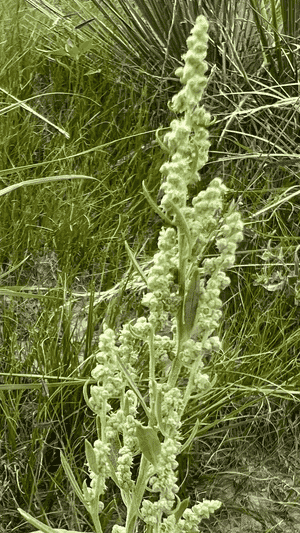
Aridland goosefoot flourishes when relocated during the gentle warmth of late spring extending into early summer, guaranteeing vigorous development. Choose sunny, adequately draining locations, and carefully settle the root system to prevent shock, ensuring a smooth acclimatization.
What Preparations are Needed Before Transplanting Aridland Goosefoot?
What is the Ideal Time for Transplanting Aridland Goosefoot?
The best period for relocating aridland goosefoot spans from late spring's onset to early summer's warmth. This timeframe, characterized by mild temperatures and ample sunlight, fosters a supportive environment for strong root development and adaptation. Moving aridland goosefoot during this season capitalizes on stable conditions, promoting successful establishment and vitality, while the soil's warmth and extended daylight hours aid in quick recovery from transplant shock, paving the way for impressive growth.
How Much Space Should You Leave Between Aridland Goosefoot Plants?
Prior to moving your aridland goosefoot to its new location, ensure adequate room for each plant. Aim for a separation of approximately 4-6 inches (10-15 cm) between individual seedlings. This provides them with sufficient space to flourish without competing for nutrients and light.
What is the Best Soil Mix for Aridland Goosefoot Transplanting?
Your aridland goosefoot will thrive in well-draining, rich, and loamy soil. Before transplanting, incorporate a balanced fertilizer, such as a 10-10-10 blend, to provide your plants with a nourishing start. Follow the product's instructions for the correct application amount.
Where Should You Relocate Your Aridland Goosefoot?
Aridland goosefoot loves to soak up the sun! Choose a garden spot that receives full sunlight for most of the day. This ensures your aridland goosefoot gets the energy it needs for robust and healthy growth. Morning sun with some afternoon shade is perfect to shield it during the hottest part of the day.
What Equipments Should You Prepare Before Transplantation Aridland Goosefoot?
Gardening Gloves
To safeguard your hands while handling soil and plants.
Trowel
For digging and moving the aridland goosefoot during its relocation.
Watering Can or Hose
To hydrate the aridland goosefoot before and after its transfer.
Garden Spade or Shovel
To excavate the root ball of the aridland goosefoot if moving from the ground.
Pruners
To trim any surplus or damaged roots and foliage.
Wheelbarrow or Bucket
To transport the aridland goosefoot and soil without harming the plant.
Measuring Tape
To ensure proper spacing among transplanted plants.
How Do You Remove Aridland Goosefoot from the Soil?
How Do You Remove Aridland Goosefoot from the Soil?
From Ground: First, moisten the aridland goosefoot plant's soil. Then, dig a wide trench around the plant with a shovel or spade, making sure to keep the root ball intact. Carefully slide the spade underneath to lift the plant from its original spot.From Pot: Water the aridland goosefoot thoroughly. Tilt the pot sideways and gently tap it to loosen the soil. Carefully slide the aridland goosefoot out with minimal root disturbance, supporting the plant's base with your other hand.From Seedling Tray: Water the seedlings to make the soil pliable. Use a trowel or your fingers to gently lift the aridland goosefoot seedling, including as much of the root system as possible.
Step-by-Step Guide for Transplanting Aridland Goosefoot
Preparation
Water the aridland goosefoot thoroughly the day before transplanting to ensure its roots are well-hydrated.
Digging Hole
Use a trowel to create a hole in the ground that is twice as wide and equally deep as the aridland goosefoot's root ball.
Removing Plant
Refer to the 'removal process' section above for detailed instructions on extracting your aridland goosefoot from its current location.
Planting
Place the aridland goosefoot into the hole at the same depth it was previously growing. Backfill around the roots with soil, gently pressing down to eliminate air pockets.
Watering
Immediately water the aridland goosefoot after planting to settle the soil and help reduce transplant shock. Ensure adequate drainage.
Staking
If the aridland goosefoot is tall or unstable, insert a stake near its base and loosely tie it for support.
How Do You Care For Aridland Goosefoot After Transplanting?
Initial Watering
Water the aridland goosefoot generously immediately after transplanting and maintain moist soil for the first week to aid root establishment.
Mulching
Apply a layer of organic mulch around the base to retain moisture and prevent weed growth.
Pruning
Trim any dead or damaged foliage to redirect energy towards root development.
Staking Support
Periodically check the stakes and adjust them as needed while the aridland goosefoot establishes itself.
Monitoring
Observe the aridland goosefoot for signs of stress, such as wilting or discolored leaves, and address any issues promptly.
Troubleshooting Common Issues with Aridland Goosefoot Transplantation.
When's the best time to transplant aridland goosefoot seedlings outdoors?
Optimal transplanting time is during warmer months, ideally from the late breeze of spring to the sunlit beginnings of summer.
How much space should be between each aridland goosefoot when transplanting?
Space aridland goosefoot seedlings about 4-6 inches (10-15 cm) apart to allow sufficient room for growth.
What soil conditions favor aridland goosefoot after transplanting?
Aridland goosefoot thrives in well-draining soil rich in organic matter. Ensure the soil is loose and fertile.
How much should I water aridland goosefoot post-transplant?
Water gently to settle the soil around the roots. Thereafter, keep the soil consistently moist, not waterlogged.
Why are my aridland goosefoot wilting after transplanting?
Wilting may occur from transplant shock. Ensure gentle handling during transplant and provide shade if necessary.
What sun exposure do aridland goosefoot need after transplanting?
Place aridland goosefoot in a sunny spot with at least 6 hours of direct sunlight daily.
How deep should I plant aridland goosefoot seedlings?
Transplant aridland goosefoot at the same depth they grew in their previous container, allowing roots to spread easily.
How can I protect aridland goosefoot from pests during transplant?
Inspect plants regularly, and consider a light layer of mulch to deter pests and retain soil moisture.
My aridland goosefoot looks yellow after transplanting. What's wrong?
Yellowing could indicate overwatering or nutrient deficiency. Check moisture levels and consider a balanced fertilizer.
Can aridland goosefoot tolerate frost after transplanting?
As aridland goosefoot is an annual, it's best to avoid frost. Transplant after the last frost date for safety.



