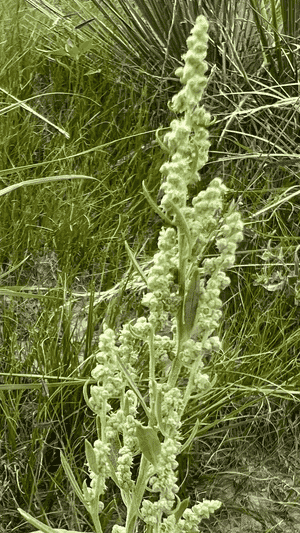
Aridland goosefoot (Chenopodium desiccatum)
Also known as: Late-flowered Goosefoot, Desiccated Goosefoot
Aridland goosefoot, scientifically known as Chenopodium desiccatum, is also referred to as narrowleaf goosefoot, small-leaved lamb’s-quarters, and desert goosefoot. It is native to western North America and thrives in dry environments such as prairies, dunes, and chaparrals.
In This Article
Attributes of Aridland goosefoot
Lifespan
Annual
Plant Type
Herb
Plant Height
35 cm
Spread
30-50 cm
Leaf Color
Green
Flower Size
1-2 mm
Flower Color
White
Images of Aridland goosefoot
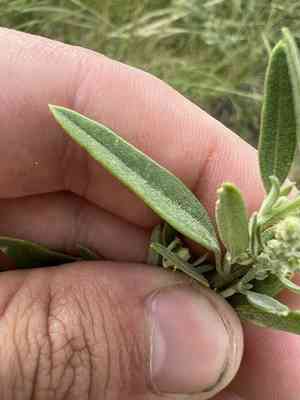
Quickly Identify Aridland goosefoot
1
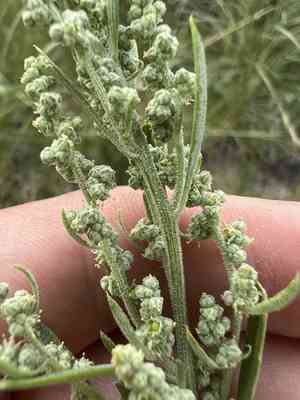
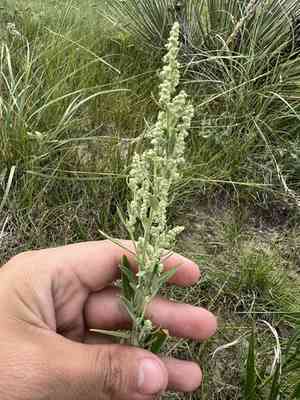
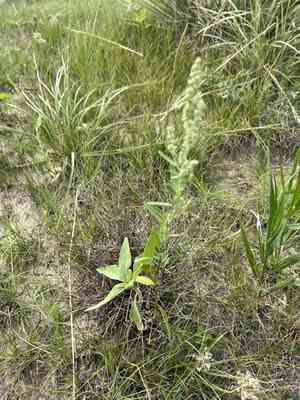
To identify Chenopodium desiccatum, look for a branched, herbaceous plant with greenish, inconspicuous flowers. The leaves are usually triangular or diamond-shaped with toothed edges. It often grows in disturbed soils, such as roadsides or agricultural fields.
Scientific Classification of Aridland goosefoot
Phylum
Vascular plants
Class
Dicotyledons
Order
Caryophyllales
Family
Amaranth
Genus
Goosefoots
Species
Aridland goosefoot
Planting and Growing of Aridland goosefoot
Care Difficulty
Easy
Watering Schedule
Every 2 days
Sunlight Requirements
Full sun
Sunshine Duration
6-10 hours
Ideal Temperature
60-75℉
Soil Type
Potting Mix, Peat Mix
Soil pH
6.5-7.5
Fertilizer Type
Balanced
Pruning Season
Spring, Summer
Pruning Area
Branches, Leaves
Pruning Frequency
2 times a year
Repotting Season
Spring
Pot Type
Plastic, Ceramic
 How to Water Aridland goosefoot?
For Chenopodium desiccatum, water with approximately 300 ml per session. The aim is to thoroughly moisten the soil without causing standing water. The key is observing the soil—when it becomes dry to a depth of about 3 cm, it's time for the next watering, ensuring roots stay hydrated without drowning.
What are the symptoms of an underwatered Aridland goosefoot?
›
What should I do if my Aridland goosefoot is not getting enough water?
›
What are the symptoms of an overwatered Aridland goosefoot?
›
How to save an overwatered Aridland goosefoot?
›
 What Are the Sunlight Requirements for Aridland goosefoot?
Half-day to full-day sun is best for Chenopodium desiccatum as it fosters significant growth, fuller foliage, and a robust plant structure. This light level promotes efficient nutrient synthesis.
More About Sunlight Requirements Techniques→
How much sunlight is optimal?
›
What solutions can ensure optimal sunlight?
›
What are the benefits of optimal lighting?
›
 What Is the Ideal Temperature Range for Aridland goosefoot?
Chenopodium desiccatum thrives best in a temperature range between 60°F to 75°F. This range allows the plant to perform essential physiological functions efficiently, promoting healthy growth and development.
 What Soil is Best for Aridland goosefoot?
Chenopodium desiccatum thrives in well-drained soils that prevent waterlogging. Proper drainage ensures that the roots remain healthy and reduces the risk of root rot, which can be detrimental to the plant’s health. This plant prefers nutrient-rich soils that support its vigorous growth. A well-fertilized soil ensures the plant receives essential nutrients like nitrogen and phosphorus, enhancing its overall vigor and leaf production. Moderate soil moisture is important for Chenopodium desiccatum. While it can tolerate dry conditions, consistent moisture levels promote optimal growth. Ensuring even moisture helps the plant develop strong and lush foliage.
 How to Fertilize Aridland goosefoot?
For Chenopodium desiccatum, the fertilizer amount should be carefully measured to ensure optimal growth. A general rule is to apply 0.5 to 1 teaspoon of balanced liquid fertilizer per gallon of water for liquid application. Solid fertilizers should be used sparingly, with approximately 1 to 2 tablespoons per plant.
 How to Prune Aridland goosefoot?
Start by identifying any dead or diseased areas of the plant. Use sharp shears to cleanly remove these sections. Next, focus on leggy growth by trimming back long stems to the desired shape, always cutting just above a leaf node to promote new growth. After addressing unhealthy parts, consider the shape you want your plant to maintain. Regularly remove any straggly stems that disrupt this shape, paying attention to how sunlight interacts with the plant to avoid creating dense, shaded areas.
More About Pruning Techniques→
 How to Propagate Aridland goosefoot plant?
1
Start by filling the seed starting tray with a sterile potting mix. Sow the seeds on the surface and cover them lightly with a thin layer of the mix, ensuring they are not buried too deeply, which can hinder germination.
2
Select healthy stems for cuttings, about 4-6 inches long. Remove the lower leaves and dip the cut end into rooting hormone powder to encourage root development. Plant the cuttings into a well-draining potting mix and water lightly.
3
Keep the soil moist but not soggy. Cover the tray with a plastic dome or bag to maintain humidity. Place the tray in a warm area with indirect sunlight and monitor for germination, usually within a few weeks.
 How to Repot Aridland goosefoot plant?
1
Chenopodium desiccatum should be repotted when you notice roots coming out of the drainage holes or the plant appears to be stunted in growth. This typically happens every 1-2 years. It's best to repot during the growing season, when the plant is most active and can recover more quickly from the shock of being moved.
2
Select a pot that's 2-3 inches larger in diameter than the current one to give roots proper space to expand. Ideally, choose a pot with drainage holes to prevent waterlogging, which could otherwise lead to root rot. A slightly larger pot ensures better root health and overall growth.
3
Opt for a well-draining potting mix to prevent excess water from settling around the roots. A soil blend containing perlite or sand mixed with organic material can be perfect. This mix offers excellent drainage while still retaining essential moisture and nutrients for the plant.



