How to Transplant False motherwort?
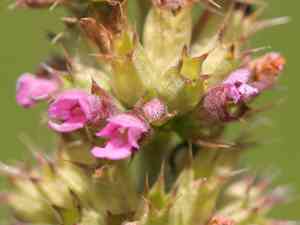
False motherwort flourishes when relocated during the favorable period of early to late spring, benefiting from warmth and precipitation. Optimal settings involve a bright to partly shaded spot with soil that drains effectively. This schedule boosts root development and robust growth.
Necessary Preparations Before Relocating False Motherwort?
Optimal Period for Moving False Motherwort?
The best time to move false motherwort is from early spring to its peak. This timeframe allows the biennial to establish roots in cool, damp soil, promoting robust development. Transplanting during this window takes advantage of milder weather and increased moisture, boosting root growth and preparing false motherwort for a strong blooming season.
Recommended Spacing Between False Motherwort Plants?
To provide false motherwort ample room to flourish, position plants 24-36 inches (60-90 cm) apart. This ensures good air circulation and helps prevent disease.
Ideal Soil Mixture for False Motherwort Relocation?
False motherwort thrives in soil that drains well. Prepare the garden bed with a blend of compost and a balanced 10-10-10 base fertilizer to give the young plants a nourishing start.
Preferred Location for Your False Motherwort?
Select a site that gets full sun for your false motherwort, meaning at least 6-8 hours of direct sunlight daily to help them thrive.
Equipment to Prepare Before Transplanting False Motherwort?
Gardening Gloves
To safeguard your hands while handling soil and plants.
Trowel
Useful for digging small, precise holes and lifting plants.
Shovel or Spade
Essential for excavating larger holes and wider trenches.
Watering Can or Hose
To hydrate the plant immediately following transplantation.
Plant Labels
Helpful for marking the new position of your false motherwort plants.
How to Extract False Motherwort from the Ground?
How to Extract False Motherwort from the Ground?
From Ground: First, moisten the soil around the false motherwort plant by watering it. Then, using a shovel or spade, dig a wide trench around the plant, ensuring the root ball remains intact. Carefully work the spade beneath the root ball to lift the plant from its original spot.From Pot: Water the false motherwort plant thoroughly to make the soil damp. Gently tap the sides and bottom of the pot to loosen the soil. Carefully hold the base of the plant and gently ease it out of the pot.From Seedling Tray: Water the seedlings to moisten the soil. Use a small trowel or your fingers to gently lift each seedling by its leaves (never by the stem) and keep as much soil around the roots as possible.
Detailed Steps for Transplanting False Motherwort
Preparation
Prepare the new location for transplanting. Dig a hole that is twice the width and the same depth as the root ball of the false motherwort plant.
Soil Handling
Incorporate some compost into the soil removed from the hole to provide your false motherwort plant with a nutrient boost in its new home.
Planting
Place the false motherwort plant in the hole, ensuring the top of the root ball is level with the ground surface. Gently backfill the hole with soil, firming it lightly to remove any air pockets.
Watering
Water the newly transplanted false motherwort plant thoroughly right after planting to help settle the soil around the roots.
Mulching
Apply a layer of mulch around the base of the plant to help retain moisture and suppress weeds.
Post-Transplant Care for False Motherwort?
Watering
Keep the soil around the false motherwort consistently moist, but not waterlogged, for the initial few weeks after transplanting to aid in developing strong roots.
Monitoring
Regularly inspect your false motherwort for signs of distress, such as wilting or yellowing leaves, and adjust care as needed.
Weed Control
Remove any weeds that emerge near your transplanted false motherwort to reduce competition for nutrients and water.
Support
If your false motherwort appears unstable, consider using stakes or supports until the plant is firmly rooted in its new location.
Pests and Diseases
Monitor your false motherwort for any pests or diseases, and address them promptly to prevent harm to the plant.
Addressing Common Issues with False Motherwort Transplantation.
When is the best time to transplant false motherwort?
Relocate false motherwort from early spring to late spring for optimal growth and success.
How do I prepare the soil for transplanting false motherwort?
Loosen soil to a depth of 12 inches (30 cm) and mix in compost for nutrients.
What spacing should I follow for transplanting false motherwort?
Space false motherwort plants 24-36 inches (61-91 cm) apart to allow ample room for growth.
How deep should I plant false motherwort?
Plant false motherwort at the depth it was growing previously to prevent stress.
How should I water false motherwort after transplanting?
Water false motherwort thoroughly immediately after transplanting, then keep the soil consistently moist.
What to do if false motherwort looks wilted after transplanting?
Ensure false motherwort is well-watered and consider providing temporary shade to reduce transplant shock.
How do I protect false motherwort from pests after transplanting?
Use organic pest deterrents or netting to protect false motherwort from pests.
How can I improve false motherwortâs root establishment?
Apply a root-stimulating fertilizer to encourage strong root growth after transplanting.
What should I do if false motherwortâs leaves turn yellow?
Check soil drainage and nutrient levels; water appropriately and amend soil if needed.
How much sunlight does false motherwort need post-transplant?
Ensure false motherwort receives full sun, at least 6-8 hours daily for optimal growth.



