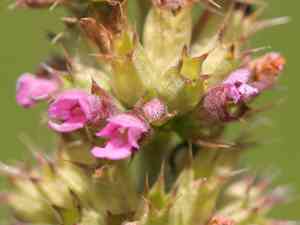
False motherwort (Chaiturus marrubiastrum)
Also known as: Horehound Bugle
Chaiturus, a genus in the Lamiaceae family, was first described in 1787. It includes a single species known as Chaiturus marrubiastrum. This plant is native to regions such as central and southern Europe, Russia, Turkey, the Caucasus, and parts of Central Asia, including Altai, Xinjiang, Kazakhstan, Uzbekistan, and Kyrgyzstan. The species is commonly referred to as False Motherwort.
In This Article
Attributes of False motherwort
Lifespan
Biennial
Plant Type
Herb
Plant Height
30-60 cm
Spread
10-20 cm
Leaf Color
Green
Flower Size
0.5-1 cm
Flower Color
Pink to Purple
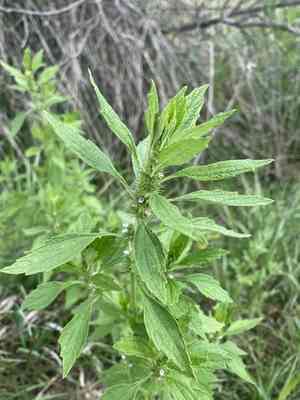
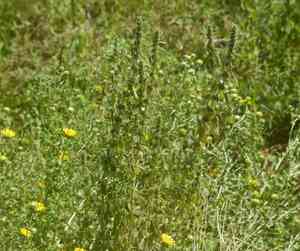
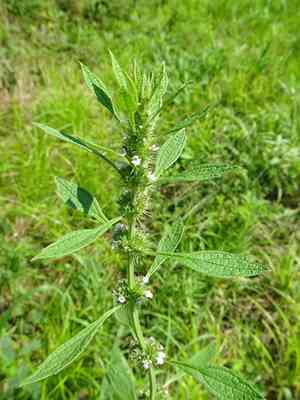
Images of False motherwort

Quickly Identify False motherwort
1
This plant can be identified by its square stems, opposite leaves, and clusters of small pink to purple flowers that bloom in late summer. The leaves are wrinkled and fuzzy, giving it a distinctive look.
Scientific Classification of False motherwort
Phylum
Vascular plants
Class
Dicotyledons
Order
Lamiales
Family
Mint
Genus
Lion's tail
Species
False motherwort
Planting and Growing of False motherwort
Care Difficulty
Easy
Watering Schedule
Every 4 days
Sunlight Requirements
Partial sun
Sunshine Duration
4-8 hours
Ideal Temperature
60-75℉
Soil Type
Potting Mix, Peat Mix
Soil pH
6.5-7.5
Fertilizer Type
Balanced
Pruning Season
Spring, Summer
Pruning Area
Branches, Leaves
Pruning Frequency
2 times a year
Repotting Season
Spring
Pot Type
Plastic, Ceramic
 How to Water False motherwort?
Chaiturus marrubiastrum needs approximately 250 milliliters of water per session. The guiding principle is to maintain evenly moist soil without waterlogging. Make sure the top inch of soil is dry before watering again.
What are the symptoms of an underwatered False motherwort?
›
What should I do if my False motherwort is not getting enough water?
›
What are the symptoms of an overwatered False motherwort?
›
How to save an overwatered False motherwort?
›
 What Are the Sunlight Requirements for False motherwort?
Chaiturus marrubiastrum is best suited for partial sun to full sun conditions, providing the benefits of balanced warmth and light. This range promotes efficient photosynthesis and robust plant development, enhancing its vigor and flowering capabilities.
What is the ideal lighting for Chaiturus marrubiastrum?
›
How can you ensure Chaiturus marrubiastrum receives its ideal lighting?
›
What benefits does Chaiturus marrubiastrum gain from its ideal lighting?
›
 What Is the Ideal Temperature Range for False motherwort?
Maintaining Chaiturus marrubiastrum within the ideal temperature range of 60°F to 75°F ensures optimal metabolic processes, encouraging growth and proper nutrient absorption. This range helps the plant avoid stress that could hinder its development and productivity.
 What Soil is Best for False motherwort?
Chaiturus marrubiastrum thrives in nutrient-rich soil, which provides essential minerals and organic matter required for vigorous growth and vibrant foliage. This minimizes the need for frequent fertilization and supports sustainable development. Well-drained soil is crucial for this plant to prevent root rot and other moisture-related issues. Adequate drainage ensures that the roots have access to necessary air pockets, enhancing respiration and promoting healthy root development. While drainage is important, the soil should also retain some moisture. This balance helps sustain the plant during dry spells, ensuring consistent growth without the stress of drought conditions.
 How to Fertilize False motherwort?
Chaiturus marrubiastrum responds well to moderate fertilization. For liquid fertilizers, apply around 10-15 ml per liter of water, ensuring the mixture is evenly distributed. With slow-release fertilizers, use approximately 20 grams per square meter, raked lightly into the soil for optimal absorption.
 How to Prune False motherwort?
Begin with sterilizing your pruning shears to prevent disease transmission. Start by removing any dead or damaged leaves, followed by cutting back any overly long stems to your desired size. Aim to maintain a balanced shape by evenly trimming all sides. It's also beneficial to remove any congested areas to promote better airflow and light penetration. Remember, consistent monthly pruning will significantly enhance the plant's overall vigor and aesthetic appeal.
 How to Propagate False motherwort plant?
1
Fill seed trays with a light, well-draining potting soil. Lightly moisten the soil before planting the seeds to create a conducive environment for germination.
2
Distribute the seeds evenly across the soil surface and cover them lightly with a thin layer of additional soil. The seeds should be buried to a depth of about twice their diameter.
3
Ensure the soil remains consistently moist but not waterlogged. It is vital for germination to keep seedlings hydrated, monitoring daily and watering as necessary.
 How to Repot False motherwort plant?
1
Repot Chaiturus marrubiastrum when you notice roots emerging from the drainage holes, indicating it's becoming root-bound. Another signal is when water drains too quickly, showing that roots have filled the pot and need more space to thrive.
2
Select a pot that's 1-2 inches larger in diameter than the current one to give roots room to grow. Ensure there are drainage holes to prevent waterlogging, which could lead to root rot, maintaining the plant's health.
3
Opt for well-draining potting soil, rich in organic matter. This type of soil mimics the plant's natural habitat, promoting optimal growth by retaining the right amount of moisture and nutrients without becoming waterlogged.
Learn More About False motherwort Diseases
Anthracnose
Bacterial Leaf Spot
Bacterial Wilt
Crown Gall
Cyst Nematode
Damping-off
Downy Mildew
Drought Stress
Fusarium Wilt
Gray Mold
Leaf Curl
Leaf Spot
Mosaic
Nutrient Deficiency
Nutrient Toxicity
Powdery Mildew
Root Rot
Root-knot Nematode
Rusts
Sooty Mold
Spider Mites
Temperature Stress
Thrips Damage
White Mold



