How to Transplant Starwort chickweed?
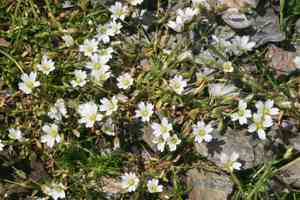
For starwort chickweed, the ideal time for relocating is from early spring through late spring, which allows for strong root development. Select a location that receives ample sunlight and has soil that drains effectively. Should it be required, enrich the area with compost to enhance growth.
What Preparations are Needed Before Transplanting Starwort Chickweed?
What is the Ideal Time for Transplanting Starwort Chickweed?
The perfect time for relocating starwort chickweed extends from the start of spring until the beginning of early summer. Moving starwort chickweed during this crucial growth period guarantees strong root development and adaptation, thanks to mild temperatures and increased daylight. This timing also allows starwort chickweed to get established before the full intensity of summer heat, creating a solid base for vigorous growth and flowering in subsequent seasons. A friendly reminder to gardeners: careful attention during these initial weeks will reward you with a robust and thriving starwort chickweed!
How Much Space Should You Leave Between Starwort Chickweed Plants?
For starwort chickweed, you'll want to provide each plant ample room to thrive. Aim for a separation of approximately 6-8 inches (15-20 cm) between individual plants. This provides sufficient space for growth and ensures their attractive foliage has room to spread.
What is the Best Soil Mix for Starwort Chickweed Transplanting?
For the healthiest starwort chickweed, prepare a suitable environment with well-draining soil. A loamy or sandy composition would be quite comfortable. Before planting, enrich the soil with a balanced, slow-release fertilizer to give your starwort chickweed a nutritional head start.
Where Should You Relocate Your Starwort Chickweed?
Select a location for your starwort chickweed that receives ample light but can also tolerate some shade â partial sun to partial shade is optimal. This balances their preference for sunlight with a need for cooler periods, promoting healthy development.
What Equipments Should You Prepare Before Transplantation Starwort Chickweed?
Gardening Gloves
To safeguard your hands while handling soil and plants.
Trowel
For digging and moving starwort chickweed during relocation.
Spade or Shovel
To excavate the plant if it is being removed from the ground.
Watering Can or Hose
For hydrating starwort chickweed before and after its transfer.
Pruning Shears
To trim any dead or excess foliage prior to transplanting.
Wheelbarrow or Garden Cart
To transport the starwort chickweed and soil if necessary.
How Do You Remove Starwort Chickweed from the Soil?
How Do You Remove Starwort Chickweed from the Soil?
From Ground: Start by watering the starwort chickweed to moisten the surrounding earth, which facilitates easier removal. Carefully dig around the plant, ensuring enough space to keep the root ball intact. Gently slide a spade beneath the root ball and ease the plant out of the ground.From Pot: When extracting starwort chickweed from a container, confirm the soil is damp. Turn the pot sideways, support the plant with one hand, and tap the bottom of the pot to loosen the soil. Gently pull the plant out, being careful to maintain the shape of the root ball.From Seedling Tray: Lightly water the soil and use a trowel to lift the starwort chickweed from the tray. Be cautious not to damage the roots and preserve the integrity of the soil around them.
Step-by-Step Guide for Transplanting Starwort Chickweed
Site Preparation
Prepare the area where starwort chickweed will be moved by clearing any weeds, debris, or large stones, creating a welcoming environment for the plant.
Digging the Hole
Using a trowel or shovel, excavate a hole that is twice the width of the root ball and equally deep, to ensure starwort chickweed has ample room for its roots to spread comfortably.
Plant Positioning
Place starwort chickweed in the center of the hole. The top of the root ball should be level with the surrounding soil to encourage proper root development.
Refilling the Hole
Carefully backfill the hole with soil, gently patting it down around the roots of starwort chickweed to eliminate any air pockets.
Watering
Provide starwort chickweed with a thorough watering after transplanting, as this helps settle the soil and efficiently hydrates the plantâs roots.
How Do You Care For Starwort Chickweed After Transplanting?
Initial Watering
For the first few weeks, ensure the soil around starwort chickweed remains consistently moist to aid root establishment in its new location.
Mulching
Apply a layer of mulch around starwort chickweed to retain moisture, regulate soil temperature, and suppress weeds.
Observation
Closely monitor starwort chickweed for any signs of stress. New growth is a positive indication that the plant is adapting well.
Pruning
Snip off any damaged or dead foliage to redirect starwort chickweed's energy towards root establishment and new growth.
Troubleshooting Common Issues with Starwort Chickweed Transplantation.
How to transplant starwort chickweed for successful growth?
For successful relocation of starwort chickweed, place them in a trench and ensure roots are evenly spread. Gently compact the soil to remove air pockets.
What's the optimal transplanting spacing for starwort chickweed?
Ideally, separate starwort chickweed by about 6 to 8 inches (15-20 cm). This provides ample room for growth and ensures good air circulation.
When's the best window to transplant starwort chickweed?
Move starwort chickweed during the cooler parts of the day within the optimal period between early to late spring, avoiding midday heat.
How deep should I plant starwort chickweed's roots?
The roots of starwort chickweed should be planted so that the crown is flush with the soil surface, ensuring the root system is fully covered.
Should I water starwort chickweed right after transplanting?
Absolutely! Give starwort chickweed a thorough watering to settle the soil around the roots, which helps eliminate air pockets and establish good contact with the soil.
Will mulch benefit starwort chickweed post-transplant?
Yes, a layer of mulch can help retain soil moisture, regulate temperature, and suppress weeds, benefiting starwort chickweed after relocation.
How much sun does starwort chickweed need after transplanting?
Post-transplant, starwort chickweed should receive full to partial sunlight, ensuring it gets at least 4-6 hours of sunlight daily.
What type of soil is preferred for transplanting starwort chickweed?
Relocate starwort chickweed into well-draining soil enriched with organic matter, such as compost. Proper soil preparation is crucial for successful transplanting.
How can I tell if starwort chickweed needs more water after transplanting?
Monitor the soil moisture; if the top inch (2.5 cm) feels dry to the touch, it's time to re-water starwort chickweed.
Can starwort chickweed be transplanted on a windy day?
It's best to avoid moving starwort chickweed on windy days, as it can cause moisture loss and stress the plant. Choose a calm, overcast day if possible.



