How to Prune Starwort chickweed?
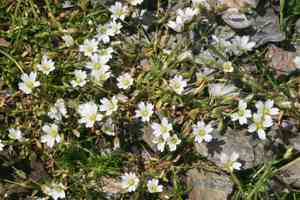
Starwort chickweed, a perennial that forms dense mats, benefits from trimming after it flowers to foster robust development and preserve its neat appearance. The ideal period for this is in late spring or early summer, following the initial burst of blossoms. Remove spent blooms and shorten elongated stems to stimulate a subsequent flowering. Consistent removal of faded flowers improves its lively ground cover aesthetic, and periodic thinning prevents excessive density. These actions also deter potential infestations and illnesses, safeguarding the plant's vitality and floral presentation.
What Are the Benefits of Pruning Starwort Chickweed?
What Are the Benefits of Pruning Starwort Chickweed?
Trimming starwort chickweed promotes robust development and maintains a compact, visually appealing shape. Regular cutting helps manage size, enhances vitality, and can encourage more abundant flowering.
What Is the Best Time for Pruning Starwort Chickweed?
What Is the Best Time for Pruning Starwort Chickweed?
The ideal times for pruning starwort chickweed coincide with its active growth phase when the plant has sufficient resources to recover from cuts and stimulate new development. Pruning in Spring allows for the removal of any winter-damaged or dead tissues before vigorous growth begins, aiding the plant's health and form. Early Summer pruning is effective for maintaining the plant's shape and controlling its spread after the initial Spring growth spurt. During these periods, starwort chickweed can better endure the stress of pruning and recover quickly, without negative impacts on its flowering cycle, which typically occurs from late spring to early summer.
What Tools Do I Need to Prune Starwort Chickweed?
Hand Pruners
Starwort chickweed is generally a small plant, requiring only delicate pruning to shape it, remove dead or diseased foliage, and encourage more compact growth. Hand pruners are perfect for making precise cuts without harming the tender stems.
Gardening Scissors
For trimming smaller, finer stems or overgrown areas of starwort chickweed, gardening scissors are suitable. They allow for accurate snips and are easier to handle in confined spaces, which is especially useful for maintaining the dense, mat-like growth habit of starwort chickweed.
Pruning Snips
Given starwort chickweed's small size and need for gentle handling, pruning snips are ideal for deadheading and thinning without causing excessive stress to the plant. The small blades of pruning snips make them an excellent choice for detailed work.
How to Prune Starwort Chickweed
Identify
Inspect starwort chickweed closely to find any diseased leaves, withered leaves, or diseased stems that need to be removed.
Sanitize
Before you start trimming starwort chickweed, disinfect your pruning tools with alcohol or a bleach solution to prevent the spread of pathogens.
Trim Diseased Leaves
Carefully remove diseased leaves from starwort chickweed by cutting them at their base where they connect to the stem, making sure to avoid damaging healthy tissue.
Trim Withered Leaves
Snip off withered leaves from starwort chickweed at their base, using clean cuts to promote rapid healing and reduce the chance of disease.
Trim Diseased Stems
Prune back diseased stems on starwort chickweed to a healthy section, making angled cuts just above a leaf node or lateral branch to encourage new growth.
Common Pruning Mistakes with Starwort Chickweed
Over pruning
Many gardeners inadvertently remove too much foliage, which can stress starwort chickweed and limit its ability to photosynthesize effectively.
Neglecting tool maintenance
Using dull or dirty tools can result in jagged cuts or the transmission of disease among plants, both detrimental to the health of starwort chickweed.
Ignoring plant structure
Not considering the natural shape and growth habits of starwort chickweed during pruning can lead to an unattractive appearance and potentially hinder its growth.
Pruning blindly
Randomly cutting without a clear objective can cause unwanted damage to starwort chickweed and inhibit the growth of new shoots.
Improper cut sites
Starwort chickweed requires precise cuts at specific points on the stem. Incorrect cuts may lead to disease, pests, or stunted growth.
Common Pruning Tips for Starwort Chickweed
Selective pruning
Remove only the necessary parts of starwort chickweed to maintain plant health and desired shape, focusing on dead or damaged stems and overgrown areas.
Sharp clean tools
Keep pruning shears sharp and clean to ensure precise cuts that heal quickly, reducing stress on starwort chickweed, and the chance of disease transmission.
Consider growth habit
Recognize the clumping habit of starwort chickweed and prune to encourage dense growth without compromising the plant's natural form.
Targeted pruning
Prune starwort chickweed with specific goals in mind, such as removing spent flowers to promote reblooming or thinning out crowded sections to increase air circulation.
Proper technique
When making cuts on starwort chickweed, do so at a 45-degree angle just above a node or branching point to foster healthy new growth.



