How to Transplant Arrowleaf butterfly pea?
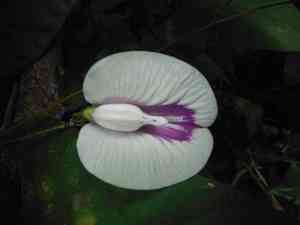
Arrowleaf butterfly pea flourishes when relocated from the beginning of spring to its end, benefiting from the warming earth and increasing solar exposure. Select a bright spot with soil that drains effectively. Confirm that the root system remains intact for peak development.
Essential Preparations Before Relocating Arrowleaf Butterfly Pea?
Optimal Timing for Arrowleaf Butterfly Pea Relocation?
The best time to move arrowleaf butterfly pea is from the start to the middle of spring. This period allows the plant to develop its root system before summer's heat. Transplanting during these months helps minimize shock, promotes better growth and blooms, and provides a longer growing season.
Recommended Spacing Between Arrowleaf Butterfly Pea Plants?
When moving arrowleaf butterfly pea, ensure each plant is spaced 18-24 inches (45-60 cm) apart. This provides ample room for development. Proper spacing aids air circulation and reduces disease risk.
Ideal Soil Mixture for Arrowleaf Butterfly Pea Relocation?
Prepare well-draining soil for arrowleaf butterfly pea, incorporating organic material like compost to boost nutrient content. A balanced base fertilizer, such as a 10-10-10 formula, will give plants a strong start. Ensure a pH between 6.0-7.5 for best growth.
Where to Replant Your Arrowleaf Butterfly Pea?
Select a spot for arrowleaf butterfly pea that receives full sunlight for at least 6-8 hours daily. This encourages vigorous growth and vibrant flowers. If full sun isn't possible, a partially shaded area will work, though growth may be slower.
Equipment Needed Before Relocating Arrowleaf Butterfly Pea?
Gardening Gloves
To safeguard your hands while handling soil and plants.
Hand Trowel
For digging around the plant and assisting with its removal and replanting.
Spade or Shovel
To excavate a hole in the ground for the plant's relocation.
Watering Can or Hose
To hydrate the plant before and after its move.
Mulch
To help maintain moisture around the recently relocated plant.
Compost or Organic Matter
To enrich the soil at the new planting site.
How to Extract Arrowleaf Butterfly Pea from the Soil?
How to Extract Arrowleaf Butterfly Pea from the Soil?
From Ground: First, moisten the soil around the arrowleaf butterfly pea plant. Then, dig a wide trench around the plant using a shovel or spade, ensuring the root ball stays intact. Carefully work the spade beneath the root ball to lift the plant from its original spot.From Pot: Thoroughly water the arrowleaf butterfly pea plant. Gently remove the plant by tilting the pot and carefully sliding it out while supporting the root ball. If root-bound, gently loosen the roots.From Seedling Tray: Water the arrowleaf butterfly pea seedlings to make the soil easier to manage. Use a hand trowel to lift the seedlings from the tray, aiming to keep as much soil around the roots as possible. Handle seedlings delicately to prevent damage to their fragile roots.
Step-by-Step Guide for Relocating Arrowleaf Butterfly Pea
Plant Extraction
Follow the appropriate removal method based on the plant's current location (ground, pot, or seedling tray).
Prepare New Site
Dig a hole twice as wide and as deep as the plant's root ball. Enhance the hole with compost or organic material.
Planting
Place the arrowleaf butterfly pea into the hole, ensuring it sits at the same depth as before. Backfill the hole with soil, gently firming it around the plant to remove air pockets.
Watering
Thoroughly water the newly relocated arrowleaf butterfly pea to help settle the soil around its roots.
Mulching
Apply a layer of mulch around the plant's base to retain soil moisture and regulate temperature.
Post-Relocation Care for Arrowleaf Butterfly Pea
Watering
Keep the soil around the arrowleaf butterfly pea consistently moist, but not waterlogged, for the initial weeks after relocation to aid root establishment.
Monitoring
Observe the arrowleaf butterfly pea for signs of transplant shock, such as wilting or yellowing leaves, and provide extra water if needed.
Weeding
Regularly remove weeds near the relocated arrowleaf butterfly pea to reduce competition for nutrients and water.
Fertilizing
Avoid immediate fertilization after relocation as it can further stress the plant. Wait for new growth before applying a balanced fertilizer.
Addressing Common Issues with Arrowleaf Butterfly Pea Relocation.
When is the best time to relocate arrowleaf butterfly pea?
Early to late spring is ideal for relocating arrowleaf butterfly pea to ensure successful establishment.
How much space should I leave between each arrowleaf butterfly pea plant?
Maintain 18-24 inches (45-60 cm) between each arrowleaf butterfly pea plant for optimal growth.
How do I prepare the soil for relocating arrowleaf butterfly pea?
Ensure well-drained soil, enriched with compost or organic matter to support arrowleaf butterfly pea's growth.
How deeply should I plant arrowleaf butterfly pea?
Place arrowleaf butterfly pea at the same depth it was growing previously, ensuring the roots are covered.
What should I do if arrowleaf butterfly pea looks wilted after relocating?
Water arrowleaf butterfly pea thoroughly and ensure it is not in direct sunlight until it recovers.
Can I relocate arrowleaf butterfly pea in hot weather?
Avoid relocating arrowleaf butterfly pea in hot weather. It's best to wait for cooler early to late spring.
How often should I water arrowleaf butterfly pea after relocating?
Water arrowleaf butterfly pea consistently, keeping the soil moist but not waterlogged during the first few weeks.
Should I mulch around arrowleaf butterfly pea after relocating?
Applying mulch around arrowleaf butterfly pea helps retain moisture and suppress weeds, aiding in healthy growth.
What should I do if arrowleaf butterfly pea's leaves turn yellow after relocating?
Yellow leaves may indicate overwatering or poor soil drainage. Adjust watering accordingly and ensure proper drainage.
How can I protect arrowleaf butterfly pea from pests after relocating?
Use organic insecticides and inspect regularly for pests to keep arrowleaf butterfly pea healthy and thriving.



