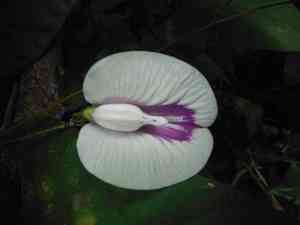
Arrowleaf butterfly pea (Centrosema sagittatum)
Also known as: Spurred Butterfly Pea, Climbing Butterfly Pea
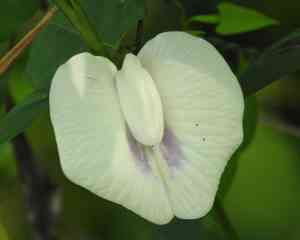
The plant you're referring to is the Arrowleaf Butterfly Pea, a climbing vine recognized for its arrow-shaped leaves and striking purple flowers. It thrives in sun-filled, tropical environments, often wrapping around supporting structures or nearby plants. This species blooms seasonally, playing a crucial role in attracting pollinators and enhancing its ecological surroundings.
In This Article
Attributes of Arrowleaf butterfly pea
Lifespan
Perennial
Plant Type
Vine, Herb
Plant Height
1-3 meters
Spread
Not applicable, as it is a vine
Leaf Color
Green
Flower Size
2-3 cm
Flower Color
Purple, Blue, sometimes White
Images of Arrowleaf butterfly pea
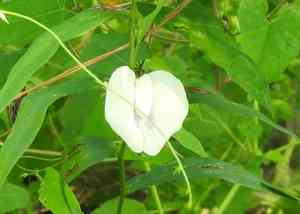
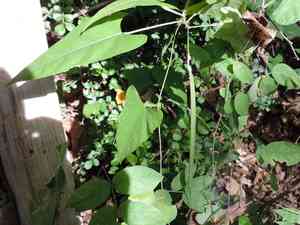
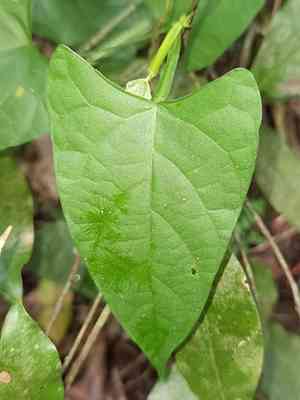
Quickly Identify Arrowleaf butterfly pea
1
It can be identified by its pinnate leaves with three leaflets, and distinctive butterfly-shaped flowers that have a spurred appearance. The flowers are usually purple or blue, sometimes white.
Scientific Classification of Arrowleaf butterfly pea
Phylum
Vascular plants
Class
Dicotyledons
Order
Fabales
Family
Legume
Genus
butterfly peas
Species
Arrowleaf butterfly pea
Planting and Growing of Arrowleaf butterfly pea
Care Difficulty
Easy
Watering Schedule
Every 4 days
Sunlight Requirements
Partial sun
Sunshine Duration
4-6 hours
Ideal Temperature
70-85℉
Soil Type
Potting Mix, Peat Mix
Soil pH
6.5-7.5
Fertilizer Type
Balanced
Pruning Season
Spring, Summer
Pruning Area
Branches, Leaves
Pruning Frequency
2 times a year
Repotting Season
Spring
Pot Type
Terracotta, Plastic
 How to Water Arrowleaf butterfly pea?
The watering amount for Centrosema sagittatum should be around 400 milliliters each time. Ensure that the soil is moist but not waterlogged. The key is to allow the top inch of soil to dry out between waterings, which helps prevent root rot and allows for adequate aeration.
What are the symptoms of an underwatered Arrowleaf butterfly pea?
›
What should I do if my Arrowleaf butterfly pea is not getting enough water?
›
What are the symptoms of an overwatered Arrowleaf butterfly pea?
›
How to save an overwatered Arrowleaf butterfly pea?
›
 What Are the Sunlight Requirements for Arrowleaf butterfly pea?
Partial sunlight simulates ideal conditions, promoting strong growth and vibrant flowers. Consistent indirect light ensures photosynthesis and keeps the plant healthy and lush.
What is the optimal lighting for Centrosema sagittatum?
›
How can I achieve optimal lighting for Centrosema sagittatum?
›
What benefits does Centrosema sagittatum gain from optimal lighting?
›
 What Is the Ideal Temperature Range for Arrowleaf butterfly pea?
For optimal growth, Centrosema sagittatum thrives best in temperatures ranging from 70°F to 85°F. This range allows the plant to perform photosynthesis efficiently and maintain a healthy metabolism. In this temperature zone, the plant is less susceptible to stress and is more likely to exhibit vigorous growth and flowering.
 What Soil is Best for Arrowleaf butterfly pea?
Centrosema sagittatum thrives in nutrient-rich soils that provide essential minerals for optimal growth. Nutrient-rich soils promote vigorous plant development by supplying adequate nitrogen, phosphorous, and potassium, thus enhancing flowering and resilience against environmental stresses. The plant prefers well-draining soils that prevent waterlogging, which can lead to root rot. Proper drainage ensures that excess water is swiftly removed, allowing roots to access sufficient air and maintain healthy growth. An ideal soil should retain enough moisture to sustain the plant without becoming overly saturated. This feature helps balance water availability, preventing dehydration during dry spells while reducing the risk of fungal diseases.
 How to Fertilize Arrowleaf butterfly pea?
Centrosema sagittatum generally benefits from moderate fertilization. Using about 1/4 cup of liquid fertilizer, diluted to half strength, should be sufficient once every two weeks. For slow-release fertilizers, scatter approximately 1/2 tablespoon around the base of the plant, ensuring even distribution annually.
 How to Prune Arrowleaf butterfly pea?
Start by assessing the overall structure of the plant and identify stems that appear overcrowded or are crossing each other. Cut these stems back to encourage better airflow within the plant. Trim the plant to the desired shape, focusing on maintaining an even, bushy appearance. It is important to make clean cuts at a 45-degree angle to promote healthy regrowth from the trimmed areas. After pruning, water the plant thoroughly and apply a balanced fertilizer to support recovery. This helps the plant redirect energy to regrowth and maintain its vigour and lushness.
More About Pruning Techniques→
 How to Propagate Arrowleaf butterfly pea plant?
1
Gather mature seeds from the pods. Ensure they are fully ripe and dry them before storing or sowing to improve germination rates.
2
Use a well-draining potting mix for starting seeds. Mix in some perlite or sand to improve drainage and aeration, which is crucial for young seedlings.
3
Select a healthy parent plant and cut a 4-6 inch piece just below a leaf node. Remove the lower leaves and dip the cut end in rooting hormone to encourage root development.
 How to Repot Arrowleaf butterfly pea plant?
1
Centrosema sagittatum should be repotted when you notice roots protruding from the drainage holes or when the plant's growth has visibly slowed. These signs indicate that the plant may have outgrown its current pot and needs more space for root expansion. Ideal repotting times are during the growing seasons of spring or summer when the plant can quickly adapt to its new environment. Avoid repotting during winter when the plant is in dormancy, as it may not recover well.
2
Select a pot that is one to two sizes bigger than the current one. It should have ample drainage holes to prevent waterlogging—a common issue that could lead to root rot. A slightly larger pot promotes healthy root growth and provides enough space for nutrient acquisition. Avoid oversized pots as they can retain excess moisture, which the plant may not use efficiently, potentially causing root issues.
3
Opt for a well-draining, loamy soil mix to ensure proper moisture management and root aeration. The soil should be slightly acidic to neutral, accommodating the plant's natural habitat conditions. This type of soil prevents water stagnation, allowing the roots to breathe and reducing the risk of diseases. Incorporate organic matter such as compost or peat to improve soil fertility and structure, enhancing overall plant health.
Learn More About Arrowleaf butterfly pea Diseases
Anthracnose
Bacterial Leaf Spot
Bacterial Wilt
Crown Gall
Cyst Nematode
Damping-off
Downy Mildew
Drought Stress
Fusarium Wilt
Gray Mold
Leaf Spot
Mosaic
Nutrient Deficiency
Nutrient Toxicity
Powdery Mildew
Root Rot
Root-knot Nematode
Rusts
Sooty Mold
Spider Mites
Temperature Stress
Thrips Damage
White Mold
Chemical Injury



