How to Transplant Yellow knapweed?
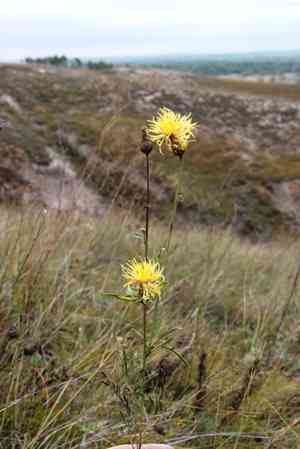
Yellow knapweed thrives when relocated as new growth emerges, usually in the initial part of spring. Select a bright spot featuring soil that drains effectively. Handle the root system with care to facilitate successful integration.
What Preparations are Necessary Before Relocating Yellow Knapweed?
When is the Best Time to Move Yellow Knapweed?
Yellow knapweed, a perennial, is ideally moved in early spring when the ground is warming and moisture is plentiful. This period promotes root development and lessens plant stress. Transplanting then allows yellow knapweed to benefit from prime growing conditions, leading to robust growth and a hardier plant throughout the season.
What Spacing is Recommended Between Yellow Knapweed Plants?
Position yellow knapweed plants approximately 18-24 inches (45-60 cm) apart. This provides ample room for each plant to develop without competing for resources.
What is the Optimal Soil Blend for Yellow Knapweed Relocation?
Prepare well-draining soil enriched with compost. Incorporate a balanced base fertilizer to boost nutrient levels. Yellow knapweed prefers slightly alkaline soil with good organic content.
Where Should You Replant Your Yellow Knapweed?
Yellow knapweed flourishes in full sun, so select a spot that receives at least 6-8 hours of direct sunlight daily. Avoid shaded areas to ensure vigorous growth.
What Tools Should You Gather Before Transplanting Yellow Knapweed?
Gardening Gloves
To safeguard your hands while handling soil and plants.
Shovel or Spade
For excavating the necessary hole and trench for the plant.
Trowel
Useful for more precise digging or when moving from a container.
Watering Can or Hose
To keep the plant adequately hydrated during the transplanting process.
Organic Mulch
Helps maintain soil moisture and inhibit weed growth.
Compost or Organic Matter
To add to the transplant hole to enrich the soil.
How Do You Extract Yellow Knapweed from the Ground?
How Do You Extract Yellow Knapweed from the Ground?
From Ground: First, hydrate the yellow knapweed plant to moisten the soil. Next, dig a wide trench around the plant using a shovel or spade, ensuring the plant's root ball remains intact. Carefully work the spade beneath the root ball to lift the plant from its original spot.From Pot: Water the yellow knapweed plant thoroughly before removal. Invert the pot onto its side and gently tap the base to loosen the plant. Grasp the plant's base and carefully pull it out, taking care not to harm the roots.From Seedling Tray: Water the seedlings well prior to transplanting. Using a trowel or your fingers, carefully lift each yellow knapweed seedling from the tray, making sure to handle only the leaves and not the delicate stems.
Step-by-Step Instructions for Relocating Yellow Knapweed
Prepare the Planting Site
Dig a hole that is twice as wide and the same depth as the yellow knapweed plant's root ball. Mix some compost or organic matter into the soil at the bottom of the hole.
Remove the Plant
Follow the appropriate removal procedure as outlined.
Plant Positioning
Place the yellow knapweed plant in the hole at the same depth it was previously growing, ensuring the top of the root ball is level with the surrounding soil surface.
Backfill the Opening
Fill the hole with the excavated soil, gently tamping it down to eliminate air pockets. Confirm the plant is stable and upright.
Water Generously
Water the yellow knapweed plant thoroughly to help settle the soil around the roots. This will also aid in reducing transplant shock.
Apply Mulch
Spread a layer of organic mulch around the base of the yellow knapweed plant to help retain moisture and regulate soil temperature.
How Do You Care For Yellow Knapweed After Relocation?
Watering
Keep the soil around the yellow knapweed consistently moist, but not waterlogged, for the initial weeks after transplanting to aid in establishing strong roots.
Mulching
Regularly check the mulch layer to ensure it is still in place and providing benefits such as moisture retention and weed suppression.
Monitoring
Observe the yellow knapweed plant for any indications of stress, such as wilting or yellowing leaves. Provide additional water if the weather is particularly arid.
Support
If your yellow knapweed plant is tall or top-heavy, consider temporarily staking it to help it remain upright until it is fully established.
Fertilization
After a few weeks, you can begin light fertilization if necessary. Use a balanced, slow-release fertilizer to support healthy growth.
Addressing Common Issues with Yellow Knapweed Relocation.
When is the ideal time to move yellow knapweed?
The best period to relocate yellow knapweed is in early spring when the soil is workable.
What is the recommended spacing for yellow knapweed plants?
Space yellow knapweed plants 18-24 inches (45-60 cm) apart for optimal growth and air circulation.
How do I prepare the soil for moving yellow knapweed?
Amend the soil with compost to ensure it's well-drained and nutrient-rich before transplanting.
What should I do if my yellow knapweed shows signs of transplant shock?
Water the plant thoroughly and consider using a root stimulator to reduce transplant shock.
How much sunlight does yellow knapweed need after transplanting?
Yellow knapweed requires full sun for at least 6 hours daily to thrive after transplanting.
How often should I water yellow knapweed after transplanting?
Keep the soil consistently moist but not waterlogged; water deeply once a week.
What type of mulch is best for yellow knapweed after transplanting?
Use organic mulch, like shredded bark or straw, to retain moisture and suppress weeds.
How do I avoid root damage while transplanting yellow knapweed?
Dig a generous hole and gently loosen the root ball without disturbing the roots excessively.
Can I transplant yellow knapweed in late summer or fall?
It's not ideal. Early spring is preferred for better establishment and root growth.
Should I fertilize yellow knapweed immediately after transplanting?
Wait a few weeks before fertilizing to let yellow knapweed adjust to its new environment first.



