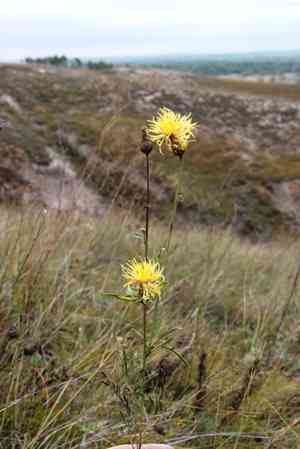
Yellow knapweed (Centaurea orientalis)
Also known as: Oriental Knapweed
Yellow knapweed, known scientifically as Centaurea solstitialis, is commonly called yellow starthistle. This thistle-like flowering plant has various names, including centaury, starthistle, knapweed, bluet, and loggerhead, due to its widespread distribution. It is considered invasive in many regions because it is highly resilient, aggressively outcompetes native species, reduces biodiversity, and poses a risk to grazing animals, making it challenging to control and eradicate.
In This Article
Attributes of Yellow knapweed
Lifespan
Perennial
Plant Height
60-90 cm (24-36 inches)
Spread
20-30 cm (8-12 inches)
Leaf Color
Grey-green
Flower Size
3-5 cm (1.2-2 inches)
Flower Color
Yellow
Images of Yellow knapweed
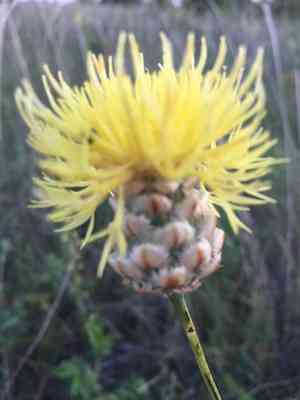
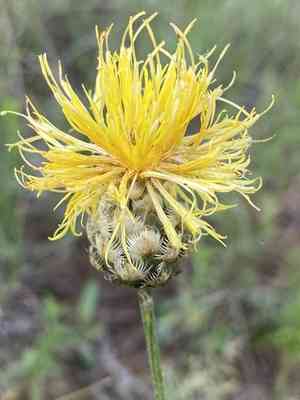
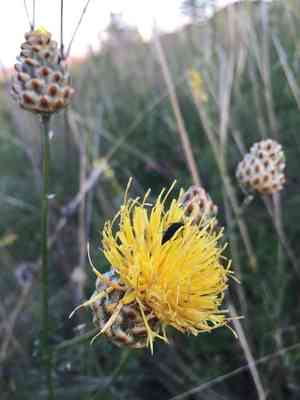
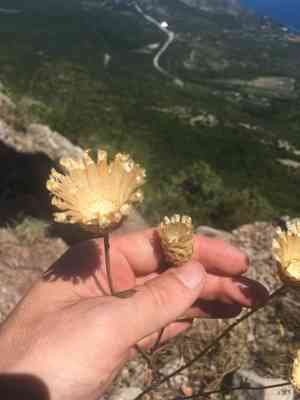
Quickly Identify Yellow knapweed
1
Centaurea orientalis can be identified by its bright yellow, thistle-like flowers that bloom in the summer. The leaves are deeply lobed and grey-green in color. The plant has a tall, branching structure.
Scientific Classification of Yellow knapweed
Phylum
Vascular plants
Class
Dicotyledons
Order
Asterales
Family
Daisy
Genus
Centaury
Species
Yellow knapweed
Planting and Growing of Yellow knapweed
Care Difficulty
Easy
Watering Schedule
Every 2 days
Sunlight Requirements
Full sun
Sunshine Duration
6-12 hours
Ideal Temperature
60-75℉
Soil Type
Potting Mix, Peat Mix
Soil pH
6.5-7.5
Fertilizer Type
Balanced
Pruning Season
Spring, Summer
Pruning Area
Branches, Leaves
Pruning Frequency
2 times a year
Repotting Season
Spring
Pot Type
Ceramic, Plastic
 How to Water Yellow knapweed?
Centaurea orientalis prefers a moderate watering amount, about 500ml each time. The goal is to ensure that water reaches deep root zones, soaking the soil adequately but avoiding waterlogging. The plant appreciates well-drained soil, so make sure any excess water can escape freely.
What are the symptoms of an underwatered Yellow knapweed?
›
What should I do if my Yellow knapweed is not getting enough water?
›
What are the symptoms of an overwatered Yellow knapweed?
›
How to save an overwatered Yellow knapweed?
›
 What Are the Sunlight Requirements for Yellow knapweed?
The ideal range for Centaurea orientalis is full sun exposure. This ensures vigorous growth, abundant flowering, and increases the plant's resistance to pests and diseases, providing lush and visually appealing foliage and flowers.
What is the ideal light condition for Centaurea orientalis?
›
How can I ensure Centaurea orientalis gets enough sunlight?
›
What are the benefits of ideal lighting for Centaurea orientalis?
›
 What Is the Ideal Temperature Range for Yellow knapweed?
Centaurea orientalis thrives in temperatures ranging from 60 to 75°F. This range provides the best conditions for growth and flower development. Moderate temperatures help the plant maintain healthy metabolic processes, promoting vibrant blooms and robust foliage. Consistent temperatures within this range minimize stress and prevent potential growth issues.
 What Soil is Best for Yellow knapweed?
Centaurea orientalis thrives in well-drained soil, which prevents waterlogging that can lead to root rot. The soil's ability to drain excess water efficiently ensures the roots receive enough oxygen, promoting healthy growth. This plant prefers soil with moderate nutrient levels. Balanced nutrient availability supports robust growth, beautiful blooms, and overall plant vigor without causing nutrient overload that may hinder its development. Incorporating organic matter into the soil can enhance its fertility and moisture retention capability. The added organic content ensures sustained nutrient release, aiding in the plant’s long-term health and vitality.
 How to Fertilize Yellow knapweed?
The appropriate fertilization amount for Centaurea orientalis involves a balanced approach. When using liquid fertilizers, dilute to half the recommended strength and apply around 200 ml per plant. For slow-release fertilizers, use approximately 30 grams per plant, ensuring even distribution in the soil around the roots.
 How to Prune Yellow knapweed?
Begin pruning as new growth emerges in spring, continuing through summer and into early autumn. Avoid winter pruning as it can leave plants vulnerable to cold damage and reduce flowering in the next season. Gather all the pruned material and dispose of it away from your garden, especially if it’s diseased. This prevents the spread of pathogens and pests that could infect healthy plants around your garden.
More About Pruning Techniques→
 How to Propagate Yellow knapweed plant?
1
Begin by filling a seed tray with a well-draining soil mix. Sow the Centaurea orientalis seeds thinly over the surface. Lightly cover them with a thin layer of soil, ensuring they receive sufficient light for germination.
2
After sowing, gently water the seeds to moisten the soil. Maintain a consistent level of moisture during germination without allowing the soil to become waterlogged, which can lead to seed rot.
3
Once seedlings are large enough to handle and have their first true leaves, they can be transplanted. Gradually acclimate them to outdoor conditions, then plant them in a prepared garden bed with full sun exposure.
 How to Repot Yellow knapweed plant?
1
Centaurea orientalis needs repotting when its roots start circling the pot, indicating that they're root bound. The plant might also slow down in growth or become top-heavy, showing that it needs more space. Ideally, perform repotting in the warmer months for a quicker recovery.
2
Select a pot that is slightly larger than the current one, ensuring there are drainage holes present. The extra space allows roots to expand without becoming waterlogged, promoting healthy root growth and preventing rot. Avoid oversized pots, as they retain excess water, potentially leading to fungal issues.
3
Opt for a well-draining sandy loam soil mix that mimics its native environment. This type of soil prevents water accumulation, reducing the chances of root rot while providing the perfect balance of nutrients and aeration needed for vibrant growth.
Learn More About Yellow knapweed Diseases
Anthracnose
Bacterial Leaf Spot
Bacterial Soft Rot
Bacterial Wilt
Black Spot
Chemical Injury
Crown Gall
Cyst Nematode
Damping-off
Downy Mildew
Drought Stress
Fusarium Wilt
Gray Mold
Leaf Spot
Mosaic
Nutrient Deficiency
Nutrient Toxicity
Powdery Mildew
Root Rot
Root-knot Nematode
Rusts
Sooty Mold
Spider Mites
Temperature Stress
Thrips Damage
White Mold



