How to Transplant Iguana hackberry?
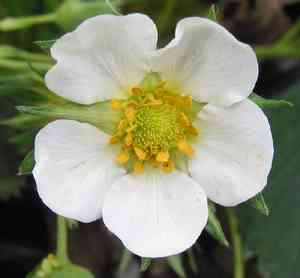
Relocating iguana hackberry is most successful when performed from early spring through late spring, leveraging its period of active development. Choose locations with ample sunlight and good drainage to ensure its robust settling. Careful management of the root ball is crucial for a prosperous transplant.
What Preparations are Needed Before Transplanting Iguana Hackberry?
What is the Ideal Time for Transplanting Iguana Hackberry?
The optimal period to move iguana hackberry is during the peak of spring, typically from the last frost until vigorous growth begins. This timing allows iguana hackberry roots to establish comfortably before summer heat, benefiting from mild temperatures and increasing daylight. Transplanting iguana hackberry then facilitates a smooth transition, as the soil's warmth promotes root development, and spring rains aid in firm root anchorage in its new location.
How Much Space Should You Leave Between Iguana Hackberry Plants?
When relocating your iguana hackberry, ensure each plant has ample room to thrive. Aim for a separation of 15-20 feet, which is approximately 4.5-6 meters, to provide sufficient space for development.
What is the Best Soil Mix for Iguana Hackberry Transplanting?
Prepare the soil for your iguana hackberry by aiming for a loamy, well-draining type. Incorporate a balanced, slow-release fertilizer before planting to give your iguana hackberry a healthy start. Be sure to follow the instructions on the fertilizer package for appropriate amounts.
Where Should You Relocate Your Iguana Hackberry?
Select a sunny location that receives at least 6 hours of direct sunlight daily for your iguana hackberry. A spot that is too shaded could impede growth, so choose a bright area where your iguana hackberry can truly soak up the sun!
What Equipments Should You Prepare Before Transplantation Iguana Hackberry?
Gardening Gloves
To safeguard your hands while handling soil and plants.
Shovel or Spade
For excavating the plant and then digging the new hole.
Watering Can or Hose
To hydrate the iguana hackberry before and after relocation.
Wheelbarrow or Tarp
To move the iguana hackberry from its original spot to the new one without damage.
Pruning Shears
For trimming any damaged roots or excess foliage prior to transplanting.
Root Stimulator
To encourage root development following transplantation.
How Do You Remove Iguana Hackberry from the Soil?
How Do You Remove Iguana Hackberry from the Soil?
From Ground: First, water the iguana hackberry plant to moisten the soil. Then, dig a wide trench around the plant using a shovel or spade, ensuring the plant's root ball remains intact. Carefully work the spade under the root ball to lift the plant from its original location.From Pot: Gently tap the sides of the pot to loosen the soil. Tilt the pot to the side and carefully extract the iguana hackberry while supporting the base of the stem. If necessary, cut the pot away to prevent root damage.From Seedling Tray: Water the tray to make the soil moist, which facilitates easier removal. Use a fork or a dibber to gently lift the iguana hackberry seedling, making sure to carry a good amount of soil around the roots to avoid shocking them.
Step-by-Step Guide for Transplanting Iguana Hackberry
Prepare the New Location
Dig a hole that is twice as wide and just as deep as the root ball of the iguana hackberry.
Inspect the Roots
Examine the root ball of iguana hackberry and trim any broken or damaged roots with pruning shears.
Positioning
Place the iguana hackberry in the center of the hole. The top of the root ball should be level with the ground surface.
Refilling the Hole
Carefully fill the hole with the removed soil, gently packing it down around the roots of iguana hackberry.
Watering
Water the iguana hackberry thoroughly after transplanting to settle the soil and eliminate air pockets.
Apply Root Stimulator
Mix the root stimulator according to the instructions and apply to the base of iguana hackberry to encourage root development.
Stabilizing
If necessary, stake the iguana hackberry to support and protect it from wind until it is established.
How Do You Care For Iguana Hackberry After Transplanting?
Staking Support
If the iguana hackberry is tall or top-heavy, provide stake support to help it stay upright in its new location until the roots have taken hold.
Regular Watering
Water the iguana hackberry generously for the first few weeks until it is established, keeping the soil consistently moist to encourage rooting.
Mulching
Apply a layer of mulch around the base of iguana hackberry to help retain moisture and suppress weeds.
Monitoring
Keep an eye on the iguana hackberry for signs of transplant shock, such as wilting leaves or stunted growth, and take appropriate actions if needed.
Pruning
Prune any dead or damaged branches to encourage new growth and help the iguana hackberry focus its energy on developing robust roots.
Troubleshooting Common Issues with Iguana Hackberry Transplantation.
What's the best timing for transplanting iguana hackberry for optimal growth?
Transplant iguana hackberry in the transition of early to late spring, providing a gentle start for root establishment.
How far apart should I plant iguana hackberry?
Space iguana hackberry approximately 15-20 feet (4.5-6 meters) apart to give each plant room to thrive without competition.
What should I do if iguana hackberry's leaves wilt after transplanting?
Ensure the plant is well-watered, particularly during dry spells, and check for proper soil drainage to resolve wilting.
Why is my transplanted iguana hackberry showing signs of shock?
Transplant shock is common; maintain consistent moisture and avoid fertilizing until new growth appears.
How deep should the hole be for transplanting iguana hackberry?
Dig a hole twice as wide and just as deep as the root ball, to accommodate growth without burying the stem.
Can I transplant iguana hackberry in summer or fall?
It's best to transplant iguana hackberry during early to late spring, as extreme temperatures can stress the plant.
How do I prepare the soil for iguana hackberry transplantation?
Mix in compost with the existing soil to improve fertility and aeration before planting iguana hackberry.
What is the ideal sunlight exposure for transplanted iguana hackberry?
Iguana hackberry thrives in full sun to partial shade; choose a spot that receives 4-6 hours of sunlight daily.
How should I water iguana hackberry after transplanting?
Water generously immediately after transplanting, then maintain adequate moisture levels without overwatering.
Is pruning necessary after transplanting iguana hackberry?
Prune only damaged or broken branches post-transplanting to avoid overstressing iguana hackberry. Healthier growth is encouraged by focusing the iguana hackberry's energy on root establishment.



