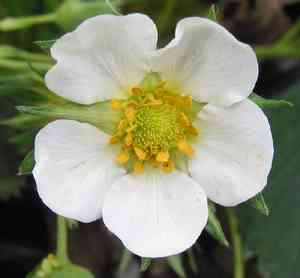
Iguana hackberry (Celtis iguanaea)
Also known as: Iguana Hackberry, Ante-Hoof Black-Twine
The iguana hackberry (Celtis iguanaea) is found in regions of Central and South America, as well as in certain southern parts of North America. Birds consume its edible fruit and facilitate seed dispersal by excreting the seeds in various locations, promoting the plant's spread and growth. In Florida, this species is classified as endangered.
In This Article
Attributes of Iguana hackberry
Lifespan
Perennial
Plant Type
Tree, Vine, Shrub
Plant Height
2-12 meters (depending on the support it climbs on)
Spread
N/A
Leaf Color
Green
Flower Size
Less than 1 cm
Flower Color
Yellow Green
Images of Iguana hackberry
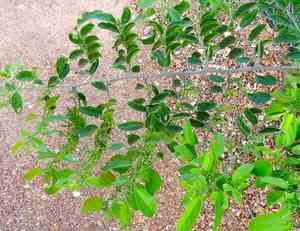
Quickly Identify Iguana hackberry
1
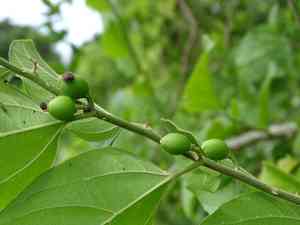
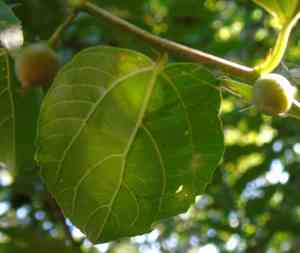
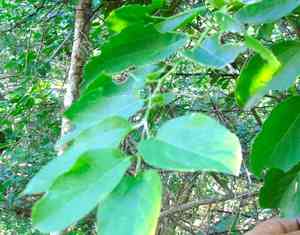
To identify Celtis iguanaea, look for its vine-like growth habit with sprawling branches, alternate leaves that are simple, ovate to lanceolate in shape, and small greenish flowers. The fruit is a small drupe that turns from green to black when ripe.
Scientific Classification of Iguana hackberry
Phylum
Vascular plants
Class
Dicotyledons
Order
Rosales
Family
Hemp
Genus
Hackberries
Species
Iguana hackberry
Planting and Growing of Iguana hackberry
Care Difficulty
Easy
Watering Schedule
Every 2 days
Sunlight Requirements
Full sun
Sunshine Duration
6-12 hours
Ideal Temperature
65-80℉
Soil Type
Potting Mix, Peat Mix
Soil pH
6.5-7.5
Fertilizer Type
Balanced
Pruning Season
Spring, Summer
Pruning Area
Branches, Leaves
Pruning Frequency
2 times a year
Repotting Season
Spring
Pot Type
Plastic, Ceramic
 How to Water Iguana hackberry?
Celtis iguanaea, commonly known as the Iguana Hackberry, thrives with a watering approach that mimics its native habitat. Ensure the soil is thoroughly moistened in each watering session, aiming for about 500 ml per session for an average-sized plant. This helps maintain adequate moisture without waterlogging the roots.
What are the symptoms of an underwatered Iguana hackberry?
›
What should I do if my Iguana hackberry is not getting enough water?
›
What are the symptoms of an overwatered Iguana hackberry?
›
How to save an overwatered Iguana hackberry?
›
 What Are the Sunlight Requirements for Iguana hackberry?
Ideally, Celtis iguanaea should experience full to partial sun conditions. This light range fosters healthy growth, enhances foliage vibrancy, and boosts the plant's resilience against environmental stressors.
What is the ideal light condition?
›
How to achieve this ideal lighting?
›
What are the benefits of ideal lighting?
›
 What Is the Ideal Temperature Range for Iguana hackberry?
Celtis iguanaea thrives best in a temperature range of 65°F to 80°F. This range supports healthy growth and ensures that the plant can properly photosynthesize and develop. Maintaining this temperature can help promote vigorous growth and flowering.
 What Soil is Best for Iguana hackberry?
Celtis iguanaea thrives in well-draining soils which help prevent waterlogging and root rot. This ensures healthy root growth and robust plant development. The plant benefits from soils with moderate nutrients, which supply essential minerals for growth without overwhelming the roots, promoting steady and sustainable growth. While good drainage is essential, the soil should also retain some moisture to support the plant's hydration needs, ensuring a balance between dryness and moisture.
 How to Fertilize Iguana hackberry?
The fertilization amount for Celtis iguanaea should be moderate to ensure optimal growth without overwhelming the plant. Use approximately half a teaspoon of balanced liquid fertilizer per gallon of water when applying liquid fertilizers. For solid fertilizers, follow the package instructions, but typically, a small handful of slow-release granules spread evenly around the base of the plant will suffice.
 How to Prune Iguana hackberry?
Begin by examining the Celtis iguanaea for any dead or damaged branches, and remove these first to ensure the plant’s health. Next, focus on branches that appear overcrowded to improve air circulation. Trim back lateral branches to maintain a balanced shape, but take care not to remove more than one-third of the plant at once. Use sharp, clean pruning shears to make precise cuts just above a leaf node or bud.
More About Pruning Techniques→
 How to Propagate Iguana hackberry plant?
1
Choose mature seeds from a healthy Celtis iguanaea tree. Harvest them when they seem ripe, typically identified by their firm texture and color change. Handle them carefully to avoid damage.
2
Choose a healthy branch and cut below a node. The cutting should be approximately 6 inches long. Remove the lower leaves to prevent unwanted moisture loss and rot.
3
Sow seeds evenly in a seed tray filled with nutrient-rich soil. Similarly, plant cuttings with rooting hormone for better root development. Ensure they are planted at the right depth.
 How to Repot Iguana hackberry plant?
1
You'll know it's time to repot your Celtis iguanaea when you notice roots protruding from the drainage holes, the potting mix dries out too quickly, or the growth rate slows despite optimal care. Spring and summer are ideal, providing the plant ample time to acclimate and grow actively in its new environment.
2
Select a pot that's one size larger than the current one for Celtis iguanaea, ensuring it has excellent drainage holes. A slightly larger pot prevents waterlogging while allowing enough room for continued root growth. Using terracotta pots can help with airflow around the roots, avoiding root rot.
3
Opt for a well-draining potting mix, ideally incorporating some sand or perlite, to enhance aeration for Celtis iguanaea. This type of soil prevents water retention, decreasing the risk of root rot, and provides a structured base for the roots to penetrate and stabilize.



