How to Transplant Pine mat?
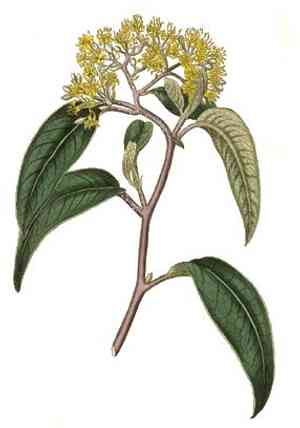
For pine mat, the period from late spring to late summer is perfect for relocation because of the beneficial warm ground. Make sure to choose a bright spot with soil that drains effectively. Relocation advice: Provide sufficient water and steer clear of excessively shaded zones for the best development.
What Preparations are Needed Before Transplanting Pine Mat?
What is the Ideal Time for Transplanting Pine Mat?
Pine mat, a Perennial plant, flourishes when moved in mid to late spring through summer. This timeframe allows the plant to establish itself prior to winter and benefit from warmer ground and consistent sunlight, fostering robust root development and vigorous growth.
How Much Space Should You Leave Between Pine Mat Plants?
When relocating pine mat, ensure each plant is spaced 4-6 feet (1.2-1.8 meters) apart. This spacing permits each pine mat to mature fully and guarantees adequate air circulation between plants, aiding in disease prevention and promoting healthy development.
What is the Best Soil Mix for Pine Mat Transplanting?
For moving pine mat, prepare the earth by blending well-draining sandy or loamy soil with a balanced base fertilizer. Steer clear of heavy clay soils, as pine mat prefers ground that drains effectively and is slightly acidic to neutral (pH 6.0-7.0).
Where Should You Relocate Your Pine Mat?
Select a sunny spot for transplanting pine mat. This plant thrives in full sun, meaning it should receive at least 6 hours of direct sunlight daily. A location that gets morning sun and some afternoon shade can also be optimal.
What Equipments Should You Prepare Before Transplantation Pine Mat?
Gardening Gloves
To safeguard your hands while handling soil and the plant.
Shovel or Spade
For excavating the plant from its initial spot and preparing the new planting hole.
Hand Trowel
Useful for working in confined areas and refining the planting hole.
Garden Fork
To aerate the soil and remove any embedded obstructions.
Watering Can or Hose
For hydrating the plant before and after the relocation.
Mulch
To assist in retaining moisture and regulating soil temperature around the moved plant.
Burlap or Plastic Bags
To temporarily hold the root ball if a longer distance move is necessary.
How Do You Remove Pine Mat from the Soil?
How Do You Remove Pine Mat from the Soil?
From Ground: First, irrigate the pine mat plant to moisten the soil. Then, dig a wide trench around the plant using a shovel or spade, ensuring the plant's root ball remains intact. Carefully work the spade beneath the root ball to lift the plant from its original position.From Pot: Water the pine mat plant thoroughly. Gently hold the plant at its base and tip the pot sideways, lightly tapping to release the root ball. If the plant is stuck, use a hand trowel around the edge to loosen it.From Seedling Tray: Water the seedling tray before transplanting. Gently press from the bottom of the cell to loosen the seedling. Carefully lift the seedling by its leaves or stem base, not by the roots, to prevent damage.
Step-by-Step Guide for Transplanting Pine Mat
Site Preparation
Choose the transplant location based on previously provided guidelines. Clear the area of any weeds or debris and loosen the soil with a garden fork.
Digging the Hole
Excavate a hole that is twice as wide and as deep as the root ball or pot. This ensures the roots have ample room to spread in their new spot.
Root Ball Preparation
For plants in pots or trays, gently untangle the roots if they are tightly bound. For ground plants, trim any damaged or excessively long roots.
Plant Placement
Position the pine mat plant into the hole, making sure the top of the root ball sits level with or slightly above the surrounding soil.
Backfilling
Refill the hole with the soil you removed, gently compacting it to eliminate air pockets around the roots.
Watering
Thoroughly water the plant to help settle the soil and provide initial hydration for the transplant.
How Do You Care For Pine Mat After Transplanting?
Watering
Keep the soil around the pine mat consistently moist, but not waterlogged, for the initial few weeks post-transplant to aid in establishing strong roots.
Mulching
Apply a 2-3 inch layer of mulch around the plant's base, avoiding direct contact with the stem, to retain moisture and suppress weeds.
Monitoring
Regularly inspect the plant for indications of stress, such as wilting or yellowing leaves, and adjust care as necessary.
Protection
Avoid exposing the newly transplanted pine mat to harsh weather conditions by providing temporary shade or windbreaks when needed.
Troubleshooting Common Issues with Pine Mat Transplantation.
When is the best time to transplant pine mat?
Late spring, early summer to late summer are the optimal times to relocate pine mat.
What is the ideal spacing for transplanting pine mat?
Ensure a distance of 4-6 feet (1.2-1.8 meters) between each pine mat plant.
Does pine mat need special soil preparation before transplanting?
Prepare well-draining soil with added organic matter to ensure successful growth of pine mat.
How deep should I plant pine mat during transplanting?
Plant pine mat at the same depth as it was in its original container.
Should I water pine mat immediately after transplanting?
Yes, water pine mat right after transplanting to help establish its roots.
How often should I water pine mat after transplanting?
Water pine mat regularly, keeping the soil moist but not soggy during the first few weeks.
What can I do if pine mat shows signs of transplant shock?
Reduce sun exposure and maintain consistent watering to help pine mat recover from transplant shock.
Do I need to fertilize pine mat after transplanting?
Wait a few weeks before applying a balanced fertilizer to newly transplanted pine mat.
Should I prune pine mat when transplanting?
Trim any damaged or excessively long roots, but avoid heavy pruning of pine mat foliage.
How can I protect pine mat from pests post-transplanting?
Inspect regularly and use organic pest control methods if needed to keep pine mat healthy.



