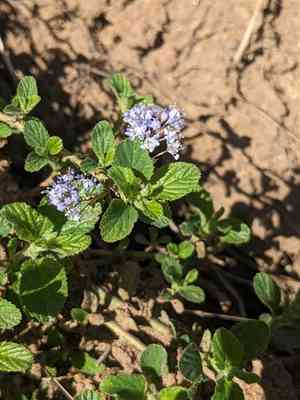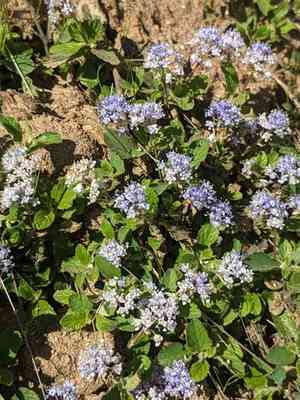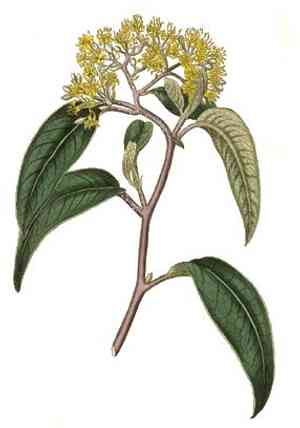
Pine mat(Ceanothus diversifolius)

Pine mat (Ceanothus diversifolius)

Also known as: Diverse-Leaf Ceanothus, Ceanothus diversifolius

The pine mat (Pinus mugo) is particularly adept at controlling erosion on slopes due to several notable characteristics:

1. **Robust Root System**: Its extensive and deep roots effectively anchor soil, reducing erosion.
2. **Compact Growth**: This low-growing plant forms a dense ground cover, shielding soil from the impact of rain and minimizing surface runoff.
3. **Evergreen Nature**: With year-round foliage, it continuously protects the soil from erosion.
4. **Drought Resistance**: It thrives in dry, rocky soils, making it a low-maintenance option for challenging environments.
5. **Adaptability**: Capable of growing in varied soil types and climates, it is versatile and resilient.

These features make the pine mat a strategic choice for erosion control on slopes.

Attributes of Pine mat

Lifespan
Perennial
Plant Type
Shrub
Plant Height
1 to 3 feet (30 to 90 cm)
Spread
1 to 2 feet (30 to 60 cm)
Leaf Color
Green
Flower Size
0.2 to 0.3 inches (5 to 8 mm)
Flower Color
Blue to purple

ForwardPlant - Identify plants with a snap

Identify and diagnose plants, get toxicity alerts, and explore safety guides for all types of fungi.

Try for Free

Images of Pine mat

Pine mat(Ceanothus diversifolius)

Quickly Identify Pine mat

1
To identify Ceanothus diversifolius, look for its diverse leaf shapes, predominantly ovate to elliptic leaves with serrated edges. The shrub produces small, blue to purple flowers that grow in dense clusters.

Scientific Classification of Pine mat

Phylum
Vascular plants
Class
Dicotyledons
Order
Rosales
Family
Buckthorn
Genus
Redroots
Species
Pine mat

Planting and Growing of Pine mat

Care Difficulty
Moderate
Watering Schedule
Every 3 days
Sunlight Requirements
Full sun
Sunshine Duration
4-8 hours
Ideal Temperature
60-75℉
Soil Type
Potting Mix, Peat Mix
Soil pH
6.5-7.5
Fertilizer Type
Balanced
Pruning Season
Spring, Summer
Pruning Area
Branches, Leaves
Pruning Frequency
2 times a year
Repotting Season
Spring
Pot Type
Plastic, Ceramic

water icon How to Water Pine mat?

Ceanothus diversifolius appreciates moderate watering. Each session should approximately include 500 ml of water, poured gradually and evenly into the soil. The principle to follow is 'moist but not soggy,' ensuring deep penetration to encourage root growth. Avoid excess water pooling at the base to prevent root rot.
What are the symptoms of an underwatered Pine mat?
What should I do if my Pine mat is not getting enough water?
What are the symptoms of an overwatered Pine mat?
How to save an overwatered Pine mat?

sunlight icon What Are the Sunlight Requirements for Pine mat?

Sunlight Requirements: Full sun, Partial sun
Duration of light: 6 to 8 hours daily
Ceanothus diversifolius thrives best in full to partial sun conditions. Adequate sunlight ensures healthy growth, improved flowering, and overall robustness, providing an appealing and vibrant appearance.
Ideal Sun Exposure
Solution to Achieve Ideal Lighting
Benefits of Ideal Lighting

temperature icon What Is the Ideal Temperature Range for Pine mat?

Ideal Temperature: 60 ~ 75℉
The ideal temperature range for Ceanothus diversifolius is crucial for its growth and health. Maintaining a range between 60°F and 75°F ensures optimal physiological processes within the plant, supporting effective photosynthesis and nutrient uptake. This range mimics its native conditions and helps maintain vigor.

soil icon What Soil is Best for Pine mat?

Soil type: Loam, Sandy loam, Sand soil
Soil PH: 6.5 ~ 7.5
Ceanothus diversifolius thrives in well-drained soil, preventing root rot and ensuring proper nutrient uptake. This environment promotes healthy root growth and vigorous plant development. A nutrient-rich soil helps Ceanothus diversifolius flourish, providing essential elements for strong growth and robust flowering. Ensure compost or organic matter is integrated for optimum conditions. While this plant tolerates dry conditions, moderate moisture levels boost growth and vitality. Avoid waterlogging to prevent fungal diseases and support overall plant health.

fertilize icon How to Fertilize Pine mat?

Fertilizer type: Balanced
For Ceanothus diversifolius, the amount of fertilizer largely depends on the growth phase and the specific nutrient needs of the plant. Typically, when using liquid fertilizers, a dilution rate of 1:100 is recommended to avoid root burn. For slow-release fertilizers, apply about 50 grams per plant annually, ensuring it is well-distributed in the soil around the base.

prune icon How to Prune Pine mat?

Pruning Time: Spring, Summer
Begin by removing any dead, damaged, or diseased branches. Follow the natural shape of the plant and cut back any overly long branches to maintain a bushy, attractive form. Pay particular attention to branches that cross or rub against each other. Focus on encouraging a dense growth habit by cutting back stems that have flowered. By doing this, you promote lateral growth, resulting in a fuller look and more robust flowering the following year. More About Pruning Techniques

propagate icon How to Propagate Pine mat plant?

Propagate Time: Spring,Late spring
1
Collect seeds directly from Ceanothus diversifolius after they have ripened on the plant. Clean the seeds by removing any debris and soak them in warm water for a few hours to break dormancy.
2
Select healthy, non-flowering stems and take cuttings about 5-10 cm long. Remove the lower leaves and dip the cut end into rooting hormone to encourage root development.
3
Sow the seeds in seed trays with a well-drained potting mix. Water them gently, ensuring that the soil remains moist but not waterlogged. Place the trays in a well-lit, warm area.
More About Propagating Techniques

repot icon How to Repot Pine mat plant?

Repotting frequency: Every 2-3 years
1
Ceanothus diversifolius shows signs it needs repotting when you notice its growth has slowed or roots are emerging from the drainage holes. These are clear indicators that the plant requires more space and fresh soil to thrive. Spring and autumn are optimal seasons due to moderate temperatures, encouraging healthy root establishment without the stress of extreme heat or cold.
2
Select a pot that is only slightly larger than the current one, ideally 1-2 inches in diameter. This helps prevent excessive soil moisture that could lead to root rot, ensuring adequate drainage and promoting a stable root environment. A pot with drainage holes is crucial for optimal air flow and soil moisture management, critical for Ceanothus diversifolius.
3
Choose a well-draining sandy loam soil mixture to mimic the plant's natural environment. This soil type provides the right balance of drainage and moisture retention, supporting robust root development and minimizing waterlogging risk. Incorporating organic matter into the soil mix can also enhance nutrient availability and aeration.

ForwardPlant - Identify plants with a snap

Find the best spots for them to optimize their health, simply using your phone.

Try for Free