How to Transplant Bushkiller?
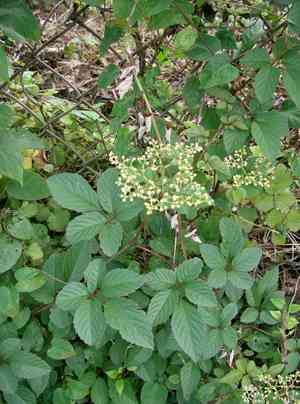
For bushkiller, the period spanning from the early spring thaw to the beginning of summer is ideal for relocation. Select a location offering dappled sunlight and damp earth. Careful management of the root system during the move aids in successful establishment.
What Preparations are Needed Before Transplanting Bushkiller?
What is the Ideal Time for Transplanting Bushkiller?
The optimal period for relocating bushkiller spans from the end of frost to when the ground warms, providing a natural advantage for root development. Moving bushkiller at this time ensures they benefit from the entire growing season, maximizing their vigor before winter. As they settle into their new location with increasing warmth, they will establish strong root systems, leading to robust growth.
How Much Space Should You Leave Between Bushkiller Plants?
When getting ready to plant your bushkiller, aim for adequate spacing between each specimen. An optimal distance is approximately 18-24 inches (45-60 cm) apart. This allows each plant ample room to develop and flourish without overcrowding!
What is the Best Soil Mix for Bushkiller Transplanting?
Your bushkiller will thrive in soil that is nutrient-rich and drains effectively. Incorporate some compost or a balanced fertilizer before planting to provide a nourishing start. Consider it like preparing a comfortable bed for your green companion!
Where Should You Relocate Your Bushkiller?
Locate a sunny spot for your bushkiller where it can receive at least 4-6 hours of direct sunlight daily. This will ensure it gets the necessary light while also enjoying some partial shade. Just like us, plants appreciate a bit of sun exposure!
What Equipments Should You Prepare Before Transplantation Bushkiller?
Gardening Gloves
To safeguard your hands while handling soil and plants.
Shovel or Spade
For excavating the plant from its current spot and preparing the new planting site.
Trowel
For more precise tasks and moving smaller plants or working in confined areas.
Pruning Shears
To trim any damaged roots or excessive foliage.
Wheelbarrow
To transport the bushkiller and soil if required.
Watering Can or Hose
To hydrate the bushkiller before and after relocation.
Rooting Hormone (optional)
To encourage root growth in the new environment.
How Do You Remove Bushkiller from the Soil?
How Do You Remove Bushkiller from the Soil?
From Ground: Hydrate the bushkiller to moisten the soil, making it easier to manage. Use a spade to carefully dig a wide trench around the plant, preserving the root ball's integrity. Pry up the root ball with your tool and extract the plant from the soil.From Pot: Water the bushkiller to loosen the root ball. Turn the container sideways and gently tap or squeeze it to help the plant slide out. Support the plant's base with your hand and carefully remove it from the pot, avoiding rough handling.From Seedling Tray: Water the bushkiller seedlings to ensure soil cohesion. Use a trowel or your fingers to carefully lift the seedlings from the tray, taking care not to harm the delicate roots and shoots of the young plants.
Step-by-Step Guide for Transplanting Bushkiller
Preparation
Gather all necessary tools and prepare the designated area for bushkiller transplantation to ensure an uninterrupted workflow.
Plant Removal
Follow the specific removal procedure based on whether bushkiller is being taken from the ground, a pot, or a seedling tray, exercising caution to avoid plant damage.
Hole Digging
Excavate a hole in the new location that is twice as wide and as deep as the bushkiller's root ball to provide ample space for root expansion.
Root Inspection
Gently examine the bushkiller's roots. Trim any damaged or diseased sections using pruning shears.
Root Hormone (Optional)
Apply rooting hormone to the root ball if desired, adhering to the product's instructions.
Placing the Plant
Carefully position bushkiller in the center of the freshly dug hole. Adjust the root ball so its top is level with the soil surface.
Filling the Hole
Backfill the hole with soil, gently firming it around the bushkiller to eliminate air pockets that can lead to root dehydration.
Watering
Water the bushkiller immediately after transplanting to settle the soil around the roots and aid in recovery from transplant shock.
Stabilizing
Provide additional support with stakes if the bushkiller is tall or top-heavy to prevent it from leaning or toppling.
How Do You Care For Bushkiller After Transplanting?
Monitoring
Observe the bushkiller closely during the initial weeks, looking for indications of transplant shock such as wilting or yellowing leaves.
Watering
Water the bushkiller to maintain consistent moisture levels in the soil, promoting root development without over-saturation.
Mulching
Apply a layer of mulch around the base of bushkiller to help retain soil moisture, regulate soil temperature, and reduce weed competition.
Supporting
Regularly check any stakes or supports you've installed, ensuring they are not harming the bushkiller as it grows.
Pruning
Remove dead or damaged foliage to encourage new growth and help the bushkiller direct its energy towards establishing its root system.
Troubleshooting Common Issues with Bushkiller Transplantation.
When's the best time to transplant bushkiller?
Choose the period when the earth revives, from early to late spring, ensuring successful rooting before summer.
How far apart should I plant bushkiller when transplanting?
Allow each bushkiller sufficient room to grow, positioning them 18-24 inches (45-60 cm) apart.
What is the ideal soil condition for transplanting bushkiller?
For optimal development, bushkiller thrives in well-draining soil, rich in organic matter.
Why is my transplanted bushkiller wilting?
Wilting after transplanting is common due to root disturbance. Ensure consistent moisture and initially avoid full sun.
How much should I water bushkiller after transplanting?
Maintain soil moisture with regular irrigation but prevent waterlogging. Let the soil dictate your watering frequency.
Should I fertilize bushkiller after transplanting?
Refrain from fertilizing until bushkiller has established itself, then use a balanced fertilizer to encourage growth.
How deep should I plant bushkiller's roots?
The root ball should be positioned level with the surrounding soil surface to promote proper establishment.
Can I transplant bushkiller during a hot day?
Transplanting on a cooler, overcast day reduces stress on bushkiller, ensuring a smoother transition.
What should I do if bushkiller's leaves turn yellow after transplanting?
Yellowing may indicate shock or watering issues. Keep the soil consistently moist and provide shade if necessary.
How do I prepare the site for transplanting bushkiller?
Select a location with good light, loosen the soil, incorporate organic matter, and prepare holes for bushkiller.



