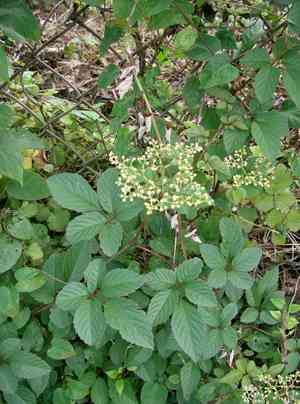
Bushkiller (Cayratia japonica)
Also known as: Japanese cayratia herb
Cayratia japonica, originally from subtropical regions of Australia and Asia, has become invasive in the United States. This vigorous vine climbs over and shades out native plants, leading to substantial environmental harm. It competes aggressively for light and space, often suffocating other vegetation. Additionally, in forest fire scenarios, Cayratia japonica can serve as a "fire ladder," enabling flames to reach higher into tree canopies, thereby increasing the potential for extensive fire damage.
In This Article
Attributes of Bushkiller
Lifespan
Perennial
Plant Type
Herb
Plant Height
2 m to 3 m
Spread
6 m to 9 m
Leaf Color
Green Red
Flower Size
5 mm
Flower Color
Yellow Pink Green Gold
Quickly Identify Bushkiller
1
Cayratia japonica can be identified by its opposite, compound leaves with five leaflets, tendrils, and small, greenish-white flowers that bloom in clusters. The vine produces small, black berries that contain seeds.
Scientific Classification of Bushkiller
Phylum
Vascular plants
Class
Dicotyledons
Order
Vitales
Family
Grape
Genus
Cayratia
Species
Bushkiller
Planting and Growing of Bushkiller
Care Difficulty
Easy
Watering Schedule
Every 2 days
Sunlight Requirements
Partial sun
Sunshine Duration
6-8 hours
Ideal Temperature
68-77℉
Soil Type
Potting Mix, Peat Mix
Soil pH
5.5-7
Fertilizer Type
Balanced
Pruning Season
Spring, Summer
Pruning Area
Branches, Leaves
Pruning Frequency
2 times a year
Repotting Season
Spring
Pot Type
Plastic, Ceramic
 How to Water Bushkiller?
For Cayratia japonica, watering should ensure the soil is moderately moist but not waterlogged. A good rule of thumb is to aim for 250 milliliters per session, allowing the soil to dry slightly between waterings. This balance helps maintain healthy root conditions without causing rot.
What are the symptoms of an underwatered Bushkiller?
›
What should I do if my Bushkiller is not getting enough water?
›
What are the symptoms of an overwatered Bushkiller?
›
How to save an overwatered Bushkiller?
›
 What Are the Sunlight Requirements for Bushkiller?
An ideal light range for Cayratia japonica is partial sun to full shade. This ensures the plant receives enough energy for photosynthesis while being protected from intense, damaging sunlight, thereby promoting lush growth and healthy leaves.
More About Sunlight Requirements Techniques→
What is the best lighting condition for Cayratia japonica?
›
How can I provide optimal lighting for my plant?
›
What benefits does the ideal lighting condition provide?
›
 What Is the Ideal Temperature Range for Bushkiller?
Cayratia japonica thrives best in temperatures ranging from 68°F to 77°F. This temperature range supports optimal photosynthesis and growth rates. It ensures that the plant's metabolic processes are working efficiently without the stress of extreme temperatures.
 What Soil is Best for Bushkiller?
Cayratia japonica thrives in well-drained soil that prevents waterlogging and root rot. Ensuring adequate drainage keeps roots healthy and supports robust plant growth. This plant prefers soil with moderate fertility. Too much fertility can lead to excessive leaf growth with minimal flowering, while too little may stunt growth. Balanced nutrients promote vibrant foliage and blooms. Incorporating organic matter into the soil improves its structure and provides a steady nutrient supply, which enhances the growth and vigor of Cayratia japonica, ensuring lush and healthy foliage.
More About Soil→
 How to Fertilize Bushkiller?
Cayratia japonica thrives with a balanced fertilizer approach. Use a water-soluble fertilizer with a balanced N-P-K ratio such as 10-10-10, applying about 1 tablespoon per gallon of water for liquid feeding. For slow-release granules, provide approximately 1 tablespoon per square foot around the plant's base.
 How to Prune Bushkiller?
Avoid pruning during the plant's dormant period in winter as it can stress the vine. Opt instead for times when the plant is actively growing. Be vigilant for signs of pest infestations, as the pruning process can expose vulnerabilities. Pests such as aphids can become more prevalent, so monitor the plant regularly. While pruning, be cautious not to remove too much foliage at once, as this may shock the plant. Aim to remove no more than one-third of the total plant mass during one session.
 How to Propagate Bushkiller plant?
1
Choose a healthy mother plant free of diseases and pests to ensure the cuttings or seeds are viable. The plant should be mature enough to provide robust plant material.
2
Prepare a well-draining growing medium, typically a mix of peat and perlite, to enhance aeration and moisture retention. This ensures the cuttings or seeds receive appropriate moisture levels without becoming waterlogged.
3
For seed propagation, sow seeds on the surface of the growing medium and cover them lightly with soil. Maintain a consistent temperature of around 70°F (21°C) to facilitate germination.
 How to Repot Bushkiller plant?
1
Cayratia japonica should be repotted when you notice roots growing out of the drainage holes or circling the pot's surface. If the plant's growth has slowed and you observe a lack of vitality, it's time to consider repotting. Early signs such as browning leaves and reduced flowering can also indicate the need for a fresh pot.
2
Select a pot that is one size larger than the current one, offering additional room for root growth. A pot with drainage holes is essential to prevent waterlogging, which can lead to root rot. Use a material that suits your environment, such as terra cotta for its breathability, aiding in moisture regulation.
3
A well-draining potting mix is crucial for Cayratia japonica. Look for soil that is enriched with organic matter but light enough to allow excess water to escape. Well-draining soil prevents water accumulation around the roots, which is vital for maintaining plant health and encouraging robust growth.
Learn More About Bushkiller Diseases
Anthracnose
Bacterial Leaf Spot
Bacterial Soft Rot
Bacterial Wilt
Crown Gall
Damping-off
Downy Mildew
Drought Stress
Fusarium Wilt
Gray Mold
Leaf Curl
Leaf Spot
Mosaic
Nutrient Deficiency
Nutrient Toxicity
Powdery Mildew
Root Rot
Root-knot Nematode
Rusts
Sooty Mold
Spider Mites
Temperature Stress
Thrips Damage
White Mold



