How to Transplant Desert candle?
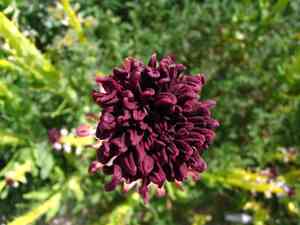
Desert candle flourishes when relocated in the initial to middle part of spring, benefiting from moderate temperatures. Select a bright, adequately draining spot. Steer clear of highly stressful conditions; limited disruption fosters robust development. Only move the plant if absolutely necessary, as it favors direct seeding.
Necessary Preparations Before Moving Desert Candle?
Optimal Time for Relocating Desert Candle?
The best period to move desert candle is during early to mid-spring. This timing allows the plant to establish its root system effectively before the onset of summer heat. Transplanting at this time ensures better development and resilience, giving desert candle sufficient time to adapt and flourish in its new spot.
Required Spacing Between Desert Candle Plants?
When planning to relocate desert candle, aim for a spacing of 12-18 inches (30-45 cm) to provide each plant ample room to grow. This promotes proper air circulation and development, reducing competition for nutrients and sunlight.
Best Soil Mixture for Desert Candle Relocation?
For desert candle, utilize soil that drains well. A mixture containing sand or perlite can be beneficial. Incorporating a balanced, slow-release fertilizer during soil preparation will supply essential nutrients to support robust growth.
Where to Replant Your Desert Candle?
Select a sunny location for desert candle. These plants flourish best in full sunlight, which means about 6-8 hours of direct sun daily. Ensure the chosen spot is not prone to waterlogging, as desert candle prefers drier conditions.
Equipment to Prepare Before Transplanting Desert Candle?
Gardening Gloves
To safeguard your hands while handling soil and the plant.
Hand Trowel
For digging small holes and carefully managing the plant.
Spade or Shovel
To excavate larger holes and trenches around the plant.
Watering Can
For hydrating the plant and its new site.
Wheelbarrow
To move the plant if necessary.
Mulch
To retain moisture and protect the plant post-transplant.
How to Extract Desert Candle from the Ground?
How to Extract Desert Candle from the Ground?
From Ground: First, moisten the desert candle plant's soil. Then, dig a wide trench around the plant using a shovel or spade, ensuring the plant's root ball remains intact. Carefully work the spade beneath the root ball to lift the plant from its original spot.From Pot: Gently water the desert candle plant to make the soil easier to manage. Hold the plant's base and carefully slide it out, checking the roots for damage or being root-bound.From Seedling Tray: Lightly water the seedlings before removal. Use a hand trowel or your fingers to gently lift each seedling, ensuring you take as much of the root system and soil as possible.
Step-by-Step Guide for Relocating Desert Candle
Site Preparation
Prepare the new site by digging a hole twice as wide and as deep as the desert candle plant's root ball. Ensure the site meets the plant's requirements for spacing, soil type, and sunlight.
Remove the Plant
Follow the appropriate removal method based on whether your desert candle plant is from the ground, a pot, or a seedling tray.
Inspect and Trim
Examine the root system and trim any damaged or overly long roots with clean, sharp shears.
Plant the desert candle
Place the desert candle in the prepared hole, ensuring it sits at the same depth as it was previously. Fill the hole with soil and gently press down to remove air pockets.
Water Thoroughly
Water the desert candle immediately after planting to help settle the soil around the roots. Use a watering can for controlled and even hydration.
Mulching
Apply a layer of mulch around the base of the desert candle, keeping it a few inches from the stem to prevent rot. This will help retain moisture and protect the plant.
Post-Transplant Care for Desert Candle?
Watering
Keep the soil around the desert candle consistently moist, but not waterlogged, for the initial weeks after transplanting to aid in root establishment.
Monitoring
Regularly check the desert candle for indications of transplant shock, such as wilting or yellowing leaves. Take corrective measures if needed.
Weeding
Keep the area surrounding the desert candle free of weeds to minimize competition for nutrients and water.
Support
Provide support, such as stakes if necessary, to help the desert candle remain upright as it adjusts to its new location.
Resolving Common Issues with Desert Candle Transplantation.
When is the best time to transplant desert candle?
Early to mid-spring is optimal for transplanting desert candle to ensure robust growth.
What spacing should be used for transplanting desert candle?
Space desert candle 12-18 inches (30-45 cm) apart for healthy development.
How should I prepare the soil before transplanting desert candle?
Loosen the soil and incorporate compost to improve drainage and nutrient content.
How deep should I plant desert candle seedlings?
Plant desert candle seedlings at the same depth they were in their original containers.
What should I do if desert candle looks wilted post-transplant?
Ensure sufficient watering, avoid immediate direct sunlight, and consider applying a mulch layer.
How often should I water desert candle after transplanting?
Water desert candle regularly, keeping the soil moist but not saturated, especially for the first few weeks.
Can I transplant desert candle in full sun?
Yes, desert candle thrives in full sun; however, gradual sun exposure after transplanting is advisable.
How can I protect desert candle from transplant shock?
Water thoroughly before transplanting and ensure roots are not exposed to direct sunlight.
What soil type is best for transplanting desert candle?
Well-draining sandy or loamy soil is ideal for transplanting desert candle.
How can I ensure the roots of desert candle stay healthy?
Avoid over-watering and ensure good soil drainage to prevent root rot.



