How to Transplant Cooper's wild cabbage?
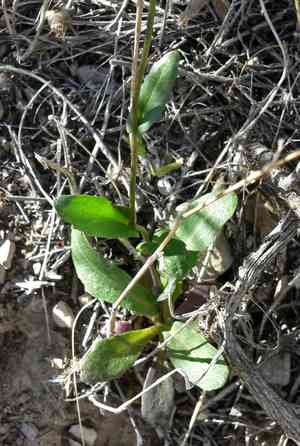
For cooper's wild cabbage, relocating is most effective at the beginning of spring, which provides ideal circumstances for development. Choose a bright, adequately drained spot. Steer clear of overly wet ground to avert root decay. Enjoy your gardening!
What Preparations are Needed Before Transplanting Cooper's Wild Cabbage?
What is the Ideal Time for Transplanting Cooper's Wild Cabbage?
Cooper's wild cabbage, an annual, flourishes when moved in early to mid-spring, a period when ground temperatures are rising but not yet high. This timing ensures the plant establishes itself well before summer heat. Relocating cooper's wild cabbage during this window maximizes root development and overall vigor, laying the groundwork for a strong growing season.
How Much Space Should You Leave Between Cooper's Wild Cabbage Plants?
When transplanting cooper's wild cabbage, ensure a spacing of 12-18 inches (30-45 cm) between plants. This provides ample room for growth and guarantees each plant receives sufficient air circulation and sunlight.
What is the Best Soil Mix for Cooper's Wild Cabbage Transplanting?
Prepare the soil for cooper's wild cabbage by ensuring it drains well and is fertile. Sandy or loamy soil is most suitable. Incorporate a balanced base fertilizer, such as a 10-10-10 (N-P-K), to supply essential nutrients for healthy development.
Where Should You Relocate Your Cooper's Wild Cabbage?
Select a sunny spot for transplanting cooper's wild cabbage. This plant thrives in full sun, meaning it requires at least 6-8 hours of direct sunlight daily to grow robust and healthy.
What Equipments Should You Prepare Before Transplantation Cooper's Wild Cabbage?
Gardening Gloves
To safeguard your hands while handling soil and plants.
Trowel
A small hand tool for digging around the plant's base.
Shovel or Spade
Larger implements useful for excavating trenches and lifting the plant.
Watering Can
For thoroughly hydrating the plant and its surrounding soil.
Wheelbarrow (optional)
To more easily move the plant if it's a larger, mature specimen.
Bucket
For holding the relocated plant, especially useful for those removed from pots or seedling trays.
How Do You Remove Cooper's Wild Cabbage from the Soil?
How Do You Remove Cooper's Wild Cabbage from the Soil?
From Ground: First, moisten the soil around cooper's wild cabbage to facilitate digging and minimize plant stress. Next, use a shovel or spade to excavate a wide trench around the plant, ensuring to go deep enough to keep the root ball intact. Carefully work the spade beneath the root ball and gently lift the plant from its original spot.From Pot: Start by watering the plant to simplify the removal process. Gently tilt the pot and tap it to loosen the soil, then carefully slide the cooper's wild cabbage out by holding the stem's base. If the plant is root-bound, you might need to gently untangle the roots.From Seedling Tray: Water the seedlings prior to transplanting. Using a trowel or your fingers, carefully lift the seedlings from the tray, making sure to handle them by their leaves to avoid harming the delicate stems and roots.
Step-by-Step Guide for Transplanting Cooper's Wild Cabbage
Prep New Location
Prepare the new planting site by digging a hole that is twice the width and the same depth as the plant's root ball.
Transplanting
Place cooper's wild cabbage into the hole at the identical depth it was growing in its previous spot. Backfill with soil around the root ball and gently press to eliminate air pockets.
Watering
Immediately water the transplanted cooper's wild cabbage thoroughly to help settle the soil around its roots.
Mulching
Apply a thin layer of mulch around the plant's base to help retain moisture and regulate soil temperature.
How Do You Care For Cooper's Wild Cabbage After Transplanting?
Watering
Keep the soil around cooper's wild cabbage consistently moist, but not waterlogged, for the initial weeks after transplanting to aid in establishing strong roots.
Monitoring
Observe the plant for indications of transplant shock, such as wilting or yellowing leaves, and provide additional water if necessary.
Protection
If transplanting in a breezy or particularly sunny location, consider offering temporary shade or wind protection until the plant has acclimated to its new surroundings.
Troubleshooting Common Issues with Cooper's Wild Cabbage Transplantation.
What is the best time to transplant cooper's wild cabbage?
The optimal period to transplant cooper's wild cabbage is early to mid-spring for prime growth.
How should I space cooper's wild cabbage plants?
Space cooper's wild cabbage plants 12-18 inches (30-45 cm) apart to ensure adequate growth area.
Why is the soil type important for cooper's wild cabbage?
Well-draining soil is vital for cooper's wild cabbage to prevent root rot and ensure healthy development.
How do I prepare the soil for cooper's wild cabbage?
Loosen the soil to about 10 inches (25 cm) deep and incorporate compost for nutrients.
Should I water cooper's wild cabbage immediately after transplanting?
Yes, water cooper's wild cabbage thoroughly post-transplanting to help roots establish in the new location.
Can I transplant cooper's wild cabbage if itâs already blooming?
It's preferable to transplant cooper's wild cabbage before it begins blooming to lessen transplant shock.
How do I handle cooper's wild cabbage during transplanting?
Handle cooper's wild cabbage gently by its base to avoid damaging delicate stems and roots.
What if cooper's wild cabbage wilts after transplanting?
Wilting is common; ensure sufficient water and shade to help cooper's wild cabbage recover from the shock.
How deep should I plant cooper's wild cabbage?
Plant cooper's wild cabbage at the same depth it was growing in its original container to prevent stress.
Do I need to fertilize cooper's wild cabbage after transplanting?
Lightly fertilize cooper's wild cabbage a few weeks after transplanting to support new growth, using a balanced fertilizer.



