How to Transplant Water whorlgrass?
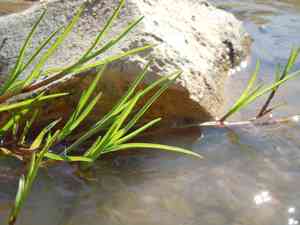
To ensure optimal initial growth, transplant water whorlgrass during its active period, specifically from the end of spring through mid-summer. Select locations featuring damp, well-draining earth and carefully settle water whorlgrass into its new site, guaranteeing steady hydration to aid its rooting.
Essential Preparations Before Relocating Water Whorlgrass
Optimal Timing for Relocating Water Whorlgrass
Choose the period of vigorous growth, from late spring to early summer, for moving water whorlgrass. This timeframe ensures water whorlgrass establishes well, benefiting from warm soil and extended daylight. Transplanting during this active phase promotes root development and minimizes shock. Align your schedule with this peak growth period for water whorlgrass's successful transition and optimal growth.
Recommended Spacing Between Water Whorlgrass Plants
Greetings, aspiring gardener! When preparing to rehouse your water whorlgrass, it's advisable to position them approximately 6-8 inches (15-20 cm) apart. This spacing allows each plant ample room to thrive and extend its root system comfortably.
Ideal Soil Blend for Water Whorlgrass Relocation
For your water whorlgrass, a damp, well-draining soil serves as the perfect foundation. Prepare the ground with a balanced, slow-release fertilizer to give your water whorlgrass a head start. A mixture like loamy soil, rich in organic matter, will ensure their contentment!
Selecting the New Location for Your Water Whorlgrass
Your water whorlgrass enjoys some sun exposure but also appreciates partial shade. Select a site that receives dappled sunlight, where they can enjoy the gentle morning rays and find respite in the afternoon shade. Such an environment will ensure their continued vitality.
Equipment Needed Before Transplanting Water Whorlgrass
Gardening Gloves
To safeguard your hands while working with the plant and soil.
Trowel
For excavating and moving small quantities of soil.
Spade
For digging up the plant, particularly if it's from the ground.
Watering Can or Hose
To hydrate the plant before and after its relocation.
Pruning Shears
For trimming any dead or excessive foliage.
Wheelbarrow
To easily transport the plant and soil, if required.
Measuring Tape
For determining the correct distance between plants.
Procedure for Extracting Water Whorlgrass from the Soil
Procedure for Extracting Water Whorlgrass from the Soil?
From Ground: First, moisten the water whorlgrass to soften the soil, making it easier to manage. Next, use a spade to dig around the plant's perimeter, leaving sufficient space to avoid damaging the root ball. Carefully work the spade beneath the root ball, lifting it from the ground with as much soil attached to the roots as possible.From Pot: Hydrate the water whorlgrass to facilitate removal. Tilt the pot sideways and gently tap the bottom and sides to loosen the root ball. Grasp the plant's base and carefully slide it out, keeping the soil around the roots intact.From Seedling Tray: Dampen the soil to minimize root disturbance. Use a trowel or your fingers to gently lift the water whorlgrass seedling, ensuring to bring along the surrounding soil and roots without causing breakage.
Step-by-Step Guide for Relocating Water Whorlgrass
Preparation
Before extracting water whorlgrass from its current spot, ensure the new location is prepared and ready for planting. Gather all the aforementioned tools for a seamless transplanting process.
Root Pruning
For plants removed from the ground, lightly trim the roots using pruning shears to stimulate new growth, being cautious not to overdo it as this could stress the plant.
Excavating the New Site
Dig a hole in the new location with the spade, making it twice as wide and as deep as the root ball to allow the roots to spread out.
Planting
Carefully place the water whorlgrass into the new hole, positioning it so that the top of the root ball is level with the surrounding soil surface. Backfill the hole with soil, gently compacting it around the roots to eliminate air pockets.
Watering
Immediately after planting, thoroughly water the water whorlgrass to settle the soil around the roots and to help alleviate transplant shock.
Stabilizing
For taller plants, stake them if necessary to provide support against wind and to help the plant grow upright until the roots are established.
Post-Transplantation Care for Water Whorlgrass
Mulching
Apply a layer of mulch around the base of water whorlgrass to help retain moisture, stabilize soil temperature, and suppress weed growth.
Monitoring
Regularly inspect the plant for signs of distress, such as wilting or discolored leaves, and adjust care as needed.
Pruning
Trim any dead or damaged parts of the water whorlgrass to encourage new growth and maintain plant health.
Supporting
Provide support structures, such as stakes or cages, for water whorlgrass if it shows signs of weakness or inability to stand alone after transplanting.
Pest and Disease Management
Watch for pests or diseases and implement appropriate measures, such as organic pesticides or fungicides, to address issues promptly.
Resolving Common Issues with Water Whorlgrass Transplantation.
When is the best time to move water whorlgrass?
The ideal period to relocate water whorlgrass is from late spring through the warmer early summer months.
What spacing should I use for water whorlgrass during transplanting?
Space water whorlgrass approximately 6-8 inches (15-20 cm) apart to provide each plant ample room to thrive.
Is it safe to transplant water whorlgrass in colder weather?
Transplanting water whorlgrass in cooler weather can be risky. Stick to warmer months for the best success rates.
Should I water water whorlgrass immediately after transplanting?
Yes, water water whorlgrass gently but thoroughly right after transplanting to help establish roots in the new location.
How deep should I plant water whorlgrass's roots?
Plant water whorlgrass's roots at the same depth they were growing before, ensuring the crown is at soil level.
What type of soil is optimal for transplanting water whorlgrass?
Use well-drained, moist, fertile soil with good aeration for transplanting water whorlgrass to encourage healthy growth.
How do I know if water whorlgrass receives adequate light after transplanting?
Ensure water whorlgrass is positioned in bright, indirect light. Too much shade or sun can hinder its growth.
Can I apply fertilizer immediately after transplanting water whorlgrass?
Wait a few weeks before applying a balanced fertilizer to allow water whorlgrass to acclimate to its new home.
How should I handle root-bound water whorlgrass during transplanting?
Gently separate the roots of water whorlgrass before planting to encourage them to spread into the surrounding soil.
My water whorlgrass is wilting after transplanting, what's the solution?
Wilting after transplanting water whorlgrass is common; ensure it has enough water, but avoid overwatering. It should recover with proper care.



