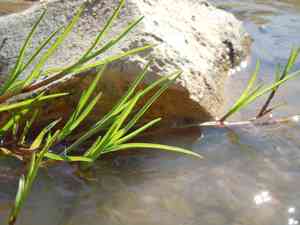
Water whorlgrass (Catabrosa aquatica)
Also known as: Water whirlgrass
Water whorlgrass, a semiaquatic plant, thrives in wet, sunlit environments such as marshes and stream edges. Currently endangered in Wisconsin, this grass was historically used by early North American natives, likely burned for its pleasant aroma.
In This Article
Attributes of Water whorlgrass
Lifespan
Perennial
Plant Type
Grass
Plant Height
70 cm
Spread
2.5 cm
Leaf Color
Green
Flower Size
10 cm to 20 cm
Flower Color
Yellow Green Purple Brown
Images of Water whorlgrass
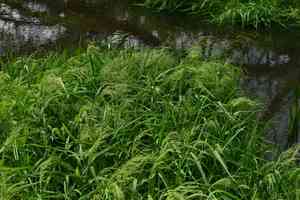
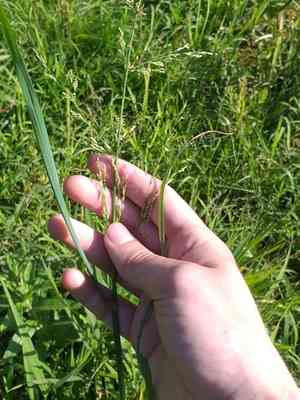
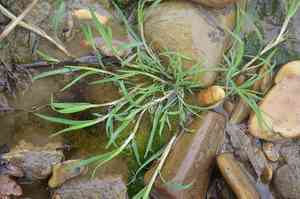
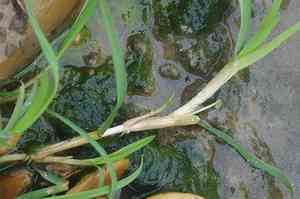
Quickly Identify Water whorlgrass
1
Look for its delicate, thin stems and leaves that typically grow in a whorled pattern around the stem. The grass also produces small, inconspicuous flowers that may be overlooked without close inspection.
Scientific Classification of Water whorlgrass
Phylum
Vascular plants
Class
Monocotyledons
Order
Poales
Family
Grass
Genus
Whorlgrasses
Species
Water whorlgrass
Planting and Growing of Water whorlgrass
Care Difficulty
Easy
Watering Schedule
Every 15 days
Sunlight Requirements
Partial sun
Sunshine Duration
4-8 hours
Ideal Temperature
50-77℉
Soil Type
Potting Mix, Peat Mix
Soil pH
6.5-7.5
Fertilizer Type
Balanced
Pruning Season
Spring, Summer
Pruning Area
Branches, Leaves
Pruning Frequency
2 times a year
Repotting Season
Spring
Pot Type
Plastic, Terracotta
 How to Water Water whorlgrass?
Catabrosa aquatica thrives in consistently moist to wet soil conditions. When watering, aim to provide enough water so that the soil remains soggy, mimicking its natural swampy habitat. Approximately 300 mL per session should suffice in moderately sized containers.
What are the symptoms of an underwatered Water whorlgrass?
›
What should I do if my Water whorlgrass is not getting enough water?
›
What are the symptoms of an overwatered Water whorlgrass?
›
How to save an overwatered Water whorlgrass?
›
 What Are the Sunlight Requirements for Water whorlgrass?
Catabrosa aquatica flourishes best in partial sun conditions, where it can enjoy 4 to 6 hours of indirect to filtered sunlight. This ideal range ensures lush growth by balancing light exposure and preventing dehydration.
What is the best lighting condition for Catabrosa aquatica?
›
How can I achieve ideal lighting for Catabrosa aquatica?
›
What benefits does Catabrosa aquatica gain with ideal lighting?
›
 What Is the Ideal Temperature Range for Water whorlgrass?
Catabrosa aquatica thrives best in a mild temperature range that allows optimal metabolic activity and growth. This range is typically between 50°F and 77°F, where the plant's physiological processes operate smoothly, resulting in healthy development. Outside this range, growth may be stunted or halted altogether.
 What Soil is Best for Water whorlgrass?
Catabrosa aquatica thrives in moist environments, which means the soil must have excellent moisture retention capabilities to sustain its growth and health. Wet loamy or clay soils can serve this requirement perfectly by holding water, which prevents the plant from drying out. A high nutrient concentration in the soil is essential for the lush growth of Catabrosa aquatica. This plant benefits from organic-rich soil that supports robust growth and helps in optimal photosynthesis. Regularly replenishing nutrients can boost its development. While they prefer moist conditions, good drainage is still important to prevent root rot. Soils that allow for excess water to escape mitigate the risk of waterlogging, ensuring the roots remain healthy and avoid fungal infections.
 How to Fertilize Water whorlgrass?
For Catabrosa aquatica, a balanced approach to fertilization is essential. Use a 10-10-10 NPK liquid fertilizer monthly at a diluted rate of 1 teaspoon per gallon of water. Solid fertilizers should be used sparingly, with applications of about 0.5 to 1 pound per 100 square feet, ensuring nutrients are provided without overwhelming the plant.
 How to Prune Water whorlgrass?
Be cautious not to over-prune Catabrosa aquatica, as excessive cutting can weaken the plant and reduce its ability to thrive. Only remove about one-third of the plant's growth at a time to ensure a balanced and healthy plant structure. The stems of Catabrosa aquatica can be brittle, so handle them gently to prevent breakage. It's important to use clean, sanitized tools to avoid transmitting any potential diseases to the plant during pruning. Maintaining tool hygiene is crucial for the plant's health.
More About Pruning Techniques→
 How to Propagate Water whorlgrass plant?
1
Collect ripe seeds from mature Catabrosa aquatica plants. Dry the seeds thoroughly to prevent mold growth, then store them in a cool, dry place until you're ready to plant.
2
In early spring, scatter the seeds evenly in a tray filled with seed-starting mix. Lightly cover them with soil and water gently. Maintain constant moisture, but avoid waterlogging.
3
During early spring, dig up established plants. Use a knife or spade to divide the root mass into smaller sections, each with a healthy shoot and root system. Replant immediately.
 How to Repot Water whorlgrass plant?
1
Catabrosa aquatica should be repotted when its growth slows, roots emerge from drainage holes, or the substrate becomes compacted. Spring and summer are ideal times since the plant is actively growing.
2
Choose a pot slightly larger than the current one, with ample drainage holes. This helps prevent waterlogging and root rot by ensuring excess water exits freely.
3
Select a well-draining, coarse aquatic soil blend. This provides adequate aeration and supports root health, preventing the plant from becoming waterlogged.
Learn More About Water whorlgrass Diseases
Bacterial Leaf Spot
Bacterial Soft Rot
Bacterial Wilt
Chemical Injury
Cyst Nematode
Damping-off
Downy Mildew
Drought Stress
Fusarium Wilt
Gray Mold
Leaf Spot
Mosaic
Nutrient Deficiency
Nutrient Toxicity
Powdery Mildew
Root Rot
Root-knot Nematode
Rusts
Sooty Mold
Spider Mites
Temperature Stress
Thrips Damage
White Mold



