How to Transplant Wholeleaf indian paintbrush?
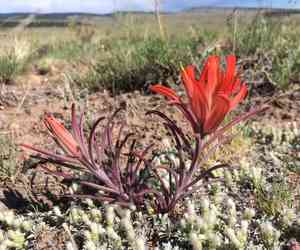
Wholeleaf indian paintbrush flourishes when relocated in cooler periods, such as mid to late autumn or early winter. Selecting a bright, well-draining spot is crucial. Be sure to reduce root disruption and confirm the soil is sufficiently damp for optimal outcomes.
Necessary Preparations Before Relocating Wholeleaf Indian Paintbrush
Optimal Period for Relocating Wholeleaf Indian Paintbrush
The best time to move wholeleaf indian paintbrush is from mid-autumn to early winter. This period offers cooler temperatures and increased soil moisture, which aids root development. Transplanting wholeleaf indian paintbrush during this window reduces plant stress and promotes vigorous growth in the upcoming spring, ensuring a healthy start for the perennial.
Recommended Spacing Between Wholeleaf Indian Paintbrush Plants
When relocating wholeleaf indian paintbrush, ensure a distance of 12-24 inches (30-60 cm) between them. This spacing provides adequate room for growth and development without overcrowding, facilitating proper air circulation and root expansion.
Best Soil Blend for Wholeleaf Indian Paintbrush Relocation
Prepare well-draining soil enriched with organic compost for wholeleaf indian paintbrush. The soil should be slightly acidic to neutral. Incorporating a balanced 10-10-10 fertilizer will supply essential nutrients for robust growth.
Ideal New Location for Your Wholeleaf Indian Paintbrush
Select a site that receives direct sunlight for a minimum of 6-8 hours daily. Wholeleaf indian paintbrush thrives in bright, sunny locations, which helps in developing vibrant colors and strong stems.
Equipment Required Before Relocating Wholeleaf Indian Paintbrush
Gardening Gloves
To safeguard your hands while handling soil and the plant.
Trowel
For digging the planting hole for the relocated plant.
Shovel or Spade
Used for excavating around the plant or its new planting spot.
Watering Can or Hose
For hydrating the plant before and after its relocation.
Pruning Shears
To trim any damaged roots or stems.
Compost or Organic Matter
To enrich the soil if necessary.
Plant Marker
To identify the new planting site if managing multiple plants.
How to Extract Wholeleaf Indian Paintbrush from the Soil?
How to Extract Wholeleaf Indian Paintbrush from the Soil?
From Ground: First, moisten the soil around the wholeleaf indian paintbrush plant. Then, use a shovel or spade to dig a wide trench around the plant, ensuring the root ball remains intact. Carefully work the spade beneath the root ball to lift the plant from its original spot.From Pot: Water the plant to make the soil easier to manage. Turn the pot sideways and gently slide the plant out, supporting the root ball with your other hand. If the plant is root-bound, carefully loosen the roots.From Seedling Tray: Water the seedlings to facilitate their removal. Gently squeeze the bottom of the cells to loosen the root ball and carefully lift each seedling, holding it by the leaves, not the stem, to prevent damage.
Step-by-Step Guide for Relocating Wholeleaf Indian Paintbrush
Site Preparation
Clear the area of weeds and debris. Dig a hole that is twice as wide and the same depth as the root ball of wholeleaf indian paintbrush. This provides ample room for the roots to spread in the new location.
Watering the Hole
Before placing the plant, thoroughly water the hole to ensure the soil is moist and welcoming for the wholeleaf indian paintbrush roots.
Plant Placement
Position the wholeleaf indian paintbrush in the center of the hole, ensuring the top of the root ball is level with or slightly above the surrounding soil. This helps prevent water accumulation at the stem, which can lead to rot.
Backfilling the Hole
Gently fill the hole with soil, lightly pressing it around the root ball to remove air pockets. Be careful not to over-compact the soil.
Watering Again
Thoroughly water the wholeleaf indian paintbrush after planting to help settle the soil around the roots. This is crucial for minimizing transplant shock.
Post-Relocation Care for Wholeleaf Indian Paintbrush
Watering
Maintain consistent moisture in the soil around the wholeleaf indian paintbrush, avoiding sogginess, for the initial few weeks after relocation to encourage strong root development.
Mulching
Apply a layer of mulch around the base of the wholeleaf indian paintbrush to help retain moisture and regulate soil temperature. Keep the mulch from directly touching the stem to prevent rot.
Monitoring
Observe for any indications of transplant shock, such as wilting or yellowing leaves. If observed, adjust watering practices and provide temporary shade if necessary.
Regular Fertilization
Once wholeleaf indian paintbrush is established, consider applying a balanced fertilizer to support healthy growth, adhering to the manufacturerâs guidelines.
Resolving Common Issues with Wholeleaf Indian Paintbrush Relocation.
When is the best time to relocate wholeleaf indian paintbrush?
The optimal relocation period is mid-to-late fall or early winter for best growth.
What spacing should I use for wholeleaf indian paintbrush plants?
Space your wholeleaf indian paintbrush plants 12-24 inches (30-60 cm) apart to allow sufficient room for growth.
Which soil type is ideal for relocating wholeleaf indian paintbrush?
Wholeleaf indian paintbrush thrives in well-drained, sandy or rocky soil with pH levels between 6.0 and 7.5.
How deep should I plant wholeleaf indian paintbrush?
Plant wholeleaf indian paintbrush at its previous growing depth, ensuring roots are fully covered.
Should I water wholeleaf indian paintbrush immediately after relocation?
Yes, water thoroughly after relocating to aid root establishment, then water as needed regularly.
How much sunlight does wholeleaf indian paintbrush require post-relocation?
Wholeleaf indian paintbrush needs full sun for at least 6 hours daily. Ensure its new spot gets enough sunlight.
What to do if wholeleaf indian paintbrush wilts after relocation?
Check soil moisture; ensure the plant is neither overwatered nor underwatered, and provide temporary shade if necessary.
How to handle wholeleaf indian paintbrush roots during relocation?
Gently untangle matted roots, keeping as much soil around them as possible during the relocation process.
What temperature range is ideal for relocating wholeleaf indian paintbrush?
Relocate wholeleaf indian paintbrush when temperatures are between 50-70°F (10-21°C) to prevent stress and ensure successful establishment.
Should I use fertilizer when relocating wholeleaf indian paintbrush?
Avoid applying fertilizer immediately after relocating wholeleaf indian paintbrush. Allow a few weeks for the plant to acclimate first.



