How to Transplant Entireleaf Indian paintbrush?
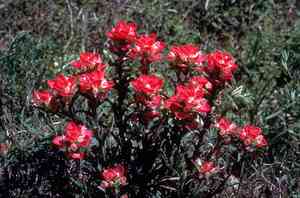
Relocate entireleaf Indian paintbrush in early spring to capitalize on its robust development period. Select a bright location featuring soil that drains effectively. During the transplanting process, proceed gently to lessen root disruption, ensuring optimal integration.
What Preparations are Needed Before Transplanting Entireleaf Indian Paintbrush?
What is the Ideal Time for Transplanting Entireleaf Indian Paintbrush?
The best period for relocating entireleaf Indian paintbrush is at the start of spring's gentle warmth. This season offers an optimal mix of moderate temperatures and increasing daylight, vital for the establishment and growth of entireleaf Indian paintbrush's root system. Moving entireleaf Indian paintbrush during this time capitalizes on the plant's natural growth cycle, ensuring a strong beginning in its new spot before summer's heat arrives.
How Much Space Should You Leave Between Entireleaf Indian Paintbrush Plants?
It's advisable to provide your entireleaf Indian paintbrush ample room to flourish. When transplanting, aim for a spacing of approximately 1-2 feet (30-60 cm) between them. This guarantees sufficient area for their beautiful, vibrant foliage to develop.
What is the Best Soil Mix for Entireleaf Indian Paintbrush Transplanting?
For your entireleaf Indian paintbrush, preparing well-draining soil is crucial. Incorporate organic material, such as compost, to create a rich, loamy foundation. You might also add a slow-release, balanced fertilizer to provide a nutritional boost.
Where Should You Relocate Your Entireleaf Indian Paintbrush?
Select a garden location that receives abundant sunlight for your entireleaf Indian paintbrush, as they thrive in bright light. These cheerfully blooming plants require at least 6-8 hours of daily sunlight for optimal performance.
What Equipments Should You Prepare Before Transplantation Entireleaf Indian Paintbrush?
Gardening Gloves
To safeguard your hands from sharp objects or harmful substances while handling soil and entireleaf Indian paintbrush.
Shovel or Spade
Useful for excavating holes and extracting plants from their initial position.
Watering Can
Necessary for hydrating the plant both prior to and following the transplant.
Pruning Shears
For trimming roots if needed before relocation.
Wheelbarrow
Helpful for moving the plant and compost from one spot to another.
Compost
Organic material used to enrich the new planting site for plant development.
How Do You Remove Entireleaf Indian Paintbrush from the Soil?
How Do You Remove Entireleaf Indian Paintbrush from the Soil?
From Ground: First, use the watering can to moisten the soil around the entireleaf Indian paintbrush plant, making extraction easier. Next, with a shovel, dig a wide trench around the plant, ensuring careful execution and leaving ample space around the entireleaf Indian paintbrush's root ball. Once the trench is complete, gently work the spade beneath the root ball to lift the plant from its original spot.From Pot: Begin by watering the plant. Grasp the entireleaf Indian paintbrush near its base and slowly tip the pot sideways. Apply gentle pressure to the pot's base and slide the root ball out. Be careful to support the root ball, not the stem or leaves of the entireleaf Indian paintbrush.From Seedling Tray: Water the tray before starting, then gently press around the base of the entireleaf Indian paintbrush seedling to dislodge it. Use a spoon or similar tool to lift it out if it doesn't come out easily.
Step-by-Step Guide for Transplanting Entireleaf Indian Paintbrush
Root Trimming
Trim any overly long or damaged roots using pruning shears. This aids the entireleaf Indian paintbrush in establishing itself more effectively in its new location.
Preparation
Use a shovel to dig a hole at the new site. The hole should be twice as wide and the same depth as the plant's root system.
Positioning
Place the entireleaf Indian paintbrush in the center of the hole, ensuring it stands upright. The top of the root system should be level with the ground surface.
Backfill
Fill the hole with soil and gently firm the soil around the plant's base. Be careful not to compact the soil, as this can hinder water absorption.
Watering
Thoroughly water the entireleaf Indian paintbrush after transplanting. Use the watering can to ensure a gentle flow of water.
How Do You Care For Entireleaf Indian Paintbrush After Transplanting?
Watering
While the initial soaking is vital, excessively wet soil can harm the entireleaf Indian paintbrush plant. Monitor it closely for the first few days, ensuring the soil remains consistently moist but not waterlogged.
Mulching
Apply a layer of mulch around the base of the entireleaf Indian paintbrush. This will help retain moisture, suppress weeds, and stabilize soil temperature.
Protection
If a sudden frost or heatwave is predicted, consider using a protective covering to shield the entireleaf Indian paintbrush during these periods.
Monitoring
Keep a close watch on the entireleaf Indian paintbrush for any indications of stress or disease. If you observe wilting or yellowing leaves despite proper watering, this could signal an issue. Seek advice from a local nursery or extension service.
Troubleshooting Common Issues with Entireleaf Indian Paintbrush Transplantation.
What is the ideal season for transplanting entireleaf Indian paintbrush?
The best season for relocating entireleaf Indian paintbrush is at the start of its growth period (S1).
Is proper spacing necessary for the healthy growth of my entireleaf Indian paintbrush?
Absolutely! Your entireleaf Indian paintbrush will flourish best when planted with ample space, between 1-2 feet (30-60 cm).
What are the signs I should look for to decide the right time to transplant entireleaf Indian paintbrush?
When entireleaf Indian paintbrush's roots are well-established but not overly crowded in its current container, it's an opportune moment for transplanting.
How should I prepare the soil before transplanting entireleaf Indian paintbrush?
Ensure the soil is fertile and drains well. Adding compost can boost its nutrient content for the entireleaf Indian paintbrush.
What is the ideal depth for planting entireleaf Indian paintbrush?
For optimal results, dig a hole that matches the depth of your entireleaf Indian paintbrush's root ball and is twice as wide.
Should I water entireleaf Indian Paintbrush immediately after transplanting?
Yes, it's crucial to water immediately after relocating entireleaf Indian paintbrush to settle the soil and minimize transplant shock.
Why are the leaves of my transplanted entireleaf Indian Paintbrush wilting?
Wilting might be due to transplant shock. Keep the soil moist and avoid direct sunlight until the plant recovers.
What should I do if the entireleaf Indian Paintbrush isnât growing after transplantation?
Check for over or underwatering. Adjust the watering schedule as needed and apply a balanced fertilizer if necessary.
My entireleaf Indian Paintbrush has yellow leaves. What could be the reason?
Yellow leaves could indicate overwatering, nutrient deficiency, or disease. Closely examine the plant and the soil conditions.
Can too much sunlight harm the transplanted entireleaf Indian Paintbrush?
Entireleaf Indian paintbrush prefers partial shade to full sun. Excessive direct sunlight can cause leaf burn, especially right after transplantation.



