How to Transplant Wenatchee indian paintbrush?
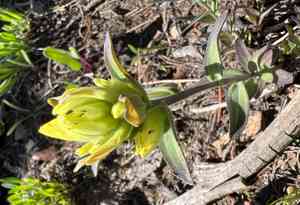
Wenatchee indian paintbrush flourishes optimally when relocated from the peak of early to the revitalizing period of late spring. Ideal circumstances involve a brightly lit spot with soil that drains effectively. Handle with care to foster strong establishment and development.
What Preparations are Needed Before Transplanting Wenatchee Indian Paintbrush?
What is the Ideal Time for Transplanting Wenatchee Indian Paintbrush?
The best time to move wenatchee indian paintbrush is from early to late spring. This period allows the plant to develop roots before summer's heat. Transplanting then ensures it benefits from mild temperatures and steady moisture, promoting robust growth and adaptation to its new spot.
How Much Space Should You Leave Between Wenatchee Indian Paintbrush Plants?
When relocating wenatchee indian paintbrush, ensure a spacing of 12-18 inches (30-45 cm) between them. This provides ample room for each plant to grow and flourish without excessive competition for nutrients and sunlight.
What is the Best Soil Mix for Wenatchee Indian Paintbrush Transplanting?
Prepare well-drained soil with a sandy or rocky texture for wenatchee indian paintbrush. Incorporating a slow-release, balanced base fertilizer will supply essential nutrients to aid plant establishment. Aim for a soil pH between 6.0-7.0 for optimal development.
Where Should You Relocate Your Wenatchee Indian Paintbrush?
Choose a sunny spot for wenatchee indian paintbrush to be replanted. This species thrives in full sun, meaning it requires at least 6-8 hours of direct sunlight daily.
What Equipments Should You Prepare Before Transplantation Wenatchee Indian Paintbrush?
Gardening Gloves
To safeguard your hands while handling soil and plants.
Shovel or Spade
For digging the hole and lifting the plant.
Hand Trowel
Useful for smaller, more delicate digging tasks.
Watering Can or Hose
To hydrate the soil before and after moving the plant.
Pruners or Scissors
To trim any damaged or dead roots.
Wheelbarrow
To transport the plant if necessary.
Stakes and Twine
For support if the plant needs staking.
How Do You Remove Wenatchee Indian Paintbrush from the Soil?
How Do You Remove Wenatchee Indian Paintbrush from the Soil?
From Ground: First, moisten the wenatchee indian paintbrush plant's soil. Then, dig a wide trench around the plant with a shovel or spade, keeping the root ball intact. Carefully work the spade beneath the root ball to lift the plant from its original spot.From Pot: Start by thoroughly watering the wenatchee indian paintbrush plant. Gently tap the pot's sides to loosen the soil, then invert the pot while supporting the plant with your other hand. Carefully slide the plant out, ensuring the root ball remains whole.From Seedling Tray: Water the seedlings in the tray to ease soil manipulation. Use a hand trowel to gently lift the seedlings from the tray, taking care to preserve as much of the root system as possible.
Step-by-Step Guide for Transplanting Wenatchee Indian Paintbrush
Prepare the New Site
Ensure the new location is ready for your wenatchee indian paintbrush plant. Dig a hole twice as wide and as deep as the root ball.
Adding Soil Amendments
If needed, incorporate compost or other soil enhancers into the hole to improve soil structure and fertility.
Place the Plant
Carefully position the wenatchee indian paintbrush plant in the hole, making sure the top of the root ball is level with the surrounding ground.
Backfill and Firm Soil
Refill the hole with soil, gently pressing down to eliminate air pockets. Be careful not to harm the roots.
Watering
Thoroughly water the plant to help the soil settle around the root ball.
Mulching
Apply a layer of mulch around the plant's base to help retain moisture and regulate soil temperature.
Staking
If necessary, use stakes and twine to support the plant until it is established.
How Do You Care For Wenatchee Indian Paintbrush After Transplanting?
Watering
Keep the soil around the wenatchee indian paintbrush consistently damp, but not waterlogged, for the initial weeks post-transplant to aid strong root development.
Monitoring
Observe the plant for any signs of distress, such as wilting or yellowing leaves, and address issues promptly.
Weeding
Regularly remove any weeds near the base of the wenatchee indian paintbrush plant to reduce competition for water and nutrients.
Pest Control
Check for pests and treat as needed, using natural pest control methods if possible.
Additional Support
Provide extra support with stakes or cages if the plant appears to require assistance standing upright.
Troubleshooting Common Issues with Wenatchee Indian Paintbrush Transplantation.
When is the best time to transplant wenatchee indian paintbrush?
Relocate wenatchee indian paintbrush from early to late spring for optimal growth and establishment.
What soil conditions are best for wenatchee indian paintbrush?
Ensure well-draining soil, with a slightly acidic to neutral pH level for wenatchee indian paintbrush to thrive.
How far apart should wenatchee indian paintbrush plants be spaced?
Space wenatchee indian paintbrush plants 12-18 inches (30-45 cm) apart to allow for healthy growth.
How deep should I plant wenatchee indian paintbrush?
Plant wenatchee indian paintbrush at the same depth as it was in its original container to avoid stress.
How much water does wenatchee indian paintbrush need after transplanting?
Water thoroughly after transplanting and keep the soil consistently moist but not waterlogged.
Should I fertilize wenatchee indian paintbrush after transplanting?
Wait a few weeks post-transplanting before lightly fertilizing with a balanced, slow-release fertilizer.
What should I do if wenatchee indian paintbrush shows signs of transplant shock?
Provide extra shade and water consistently to help wenatchee indian paintbrush recover from transplant shock.
How can I protect wenatchee indian paintbrush from pests after transplanting?
Use natural pest deterrents like neem oil or insecticidal soap if wenatchee indian paintbrush is affected by pests.
Do I need to prune wenatchee indian paintbrush after transplanting?
Prune any damaged or dead leaves and stems to encourage new growth and minimize stress.
How can I improve wenatchee indian paintbrushâs root establishment?
Mulch around the base of wenatchee indian paintbrush to retain moisture and improve root establishment.



