How to Prune Wenatchee indian paintbrush?
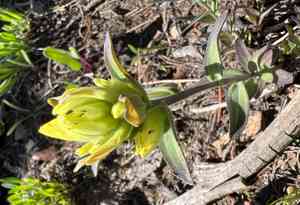
Wenatchee indian paintbrush is recognized for its vibrant, brush-like blossoms. Essential trimming methods include eliminating deceased or compromised stalks and sculpting the plant to foster vigorous development. The most suitable periods for pruning are from late winter to early spring, coinciding with its inactive phase. Trimming stimulates abundant blooming and deters ailments. Refrain from severe pruning to preserve the plant's inherent structure. Refer to sources such as regional extension services for optimal strategies customized to your area.
What Are the Benefits of Pruning Wenatchee Indian Paintbrush?
What Are the Benefits of Pruning Wenatchee Indian Paintbrush?
Trimming wenatchee indian paintbrush encourages robust growth and helps maintain a compact, appealing form. Regular removal of dead or diseased sections promotes overall plant vitality. It improves air circulation, lowering the risk of pests and diseases, ensuring a strong, visually pleasing plant.
What Is the Best Time for Pruning Wenatchee Indian Paintbrush?
What Is the Best Time for Pruning Wenatchee Indian Paintbrush?
Pruning wenatchee indian paintbrush in late winter or early spring is optimal as it aligns with the plant's natural growth cycle. During these periods, the plant is typically dormant or just beginning to emerge, which minimizes stress and potential harm. Trimming at this time also fosters healthier growth and abundant blooms throughout the active months. Pruning before active growth starts ensures the plant can direct energy towards new growth and flowering, enhancing its overall vigor and aesthetic appeal.
What Tools Do I Need to Prune Wenatchee Indian Paintbrush?
Bypass Pruners
These are effective for making clean cuts on stems and branches up to ¾ inch thick, which is ideal for the delicate and precise pruning that wenatchee indian paintbrush requires.
Hand Pruning Shears
Suitable for trimming off dead or damaged shoots without harming the rest of the plant, they offer precise control and are very user-friendly.
Pruning Knife
Useful for removing smaller, more intricate parts of the plant, such as dead leaves or spent flowers, while being gentle enough to avoid damaging new growth.
Gloves
Essential for protecting hands from potential irritants while pruning, ensuring safety and ease of handling the plants.
How to Prune Wenatchee Indian Paintbrush
Inspection
Carefully inspect wenatchee indian paintbrush for any signs of diseased or withered leaves. Look for discoloration, spots, or any parts that appear unhealthy.
Preparation
Sanitize your pruning shears with rubbing alcohol or a solution of one part bleach to nine parts water to prevent the spread of disease.
Diseased Leaves
Prune diseased leaves first by snipping them off at the base of the leaf stem, close to the main stem but not cutting into the main stem itself, to avoid any further damage or disease spread.
Withered Leaves
Trim withered leaves by cutting them back to the nearest healthy part of the plant. If the entire leaf is withered, remove it at the base of the leaf stem.
Disposal
Properly dispose of the pruned diseased and withered leaves by bagging and removing them from the garden area to prevent contamination or re-infection of wenatchee indian paintbrush.
Common Pruning Mistakes with Wenatchee Indian Paintbrush
Incorrect technique
Using dull or inappropriate tools that cause jagged cuts, leading to increased susceptibility to disease.
Timing errors
Pruning too frequently or at the wrong times, which can stress the plant and affect its health.
Over-pruning
Removing too much foliage at once, which can impair the plant's ability to photosynthesize and grow properly.
Ignoring plant structure
Failing to recognize and preserve the natural growth habit, leading to an unattractive shape and hindered growth.
Common Pruning Tips for Wenatchee Indian Paintbrush
Sharp, clean tools
Always use sharp, clean pruning shears to make precise cuts that heal quickly and reduce the risk of infection.
Minimal pruning
Only prune the necessary parts, focusing on removing dead or diseased stems, spent flowers, and any crossing branches that compromise the plantâs structure.
Angle of cuts
Make clean cuts at a slight angle just above a node or pair of leaves to encourage new growth and prevent water from pooling on the cut surface.
Assessing plant health
Regularly evaluate the plantâs overall health and structure before any pruning session to tailor your approach accordingly, ensuring you do not remove too much at once.



