How to Transplant Hairy-fruit sedge?
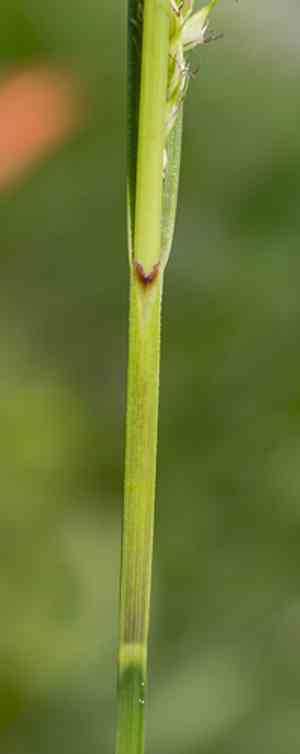
Hairy-fruit sedge flourishes most effectively when relocated between early and late spring, a period characterized by moderate temperatures and ample hydration. To ensure peak development, select a brightly lit spot with excellent drainage and fertile earth. Applying mulch can help preserve the soil's moisture content.
What Preparations are Needed Before Transplanting Hairy-fruit Sedge?
What is the Ideal Time for Transplanting Hairy-fruit Sedge?
Hairy-fruit sedge should be ideally relocated between early spring to late spring. This timeframe offers prime growing conditions, as the ground begins to warm and sufficient moisture is present. Moving them during this period allows roots to establish prior to summer's heat, ensuring a strong start and fostering healthy development throughout the season.
How Much Space Should You Leave Between Hairy-fruit Sedge Plants?
When preparing to move hairy-fruit sedge, aim to position them approximately 12-18 inches (30-45 cm) apart. This ensures each plant has ample room to develop and flourish without competing with adjacent plants.
What is the Best Soil Mix for Hairy-fruit Sedge Transplanting?
Before relocating hairy-fruit sedge, ensure the soil drains effectively. They thrive best in loamy or sandy substrates. Incorporating compost or a balanced, slow-release fertilizer will provide them with a nourishing beginning.
Where Should You Relocate Your Hairy-fruit Sedge?
Select a site that receives partial to full sunlight when transplanting hairy-fruit sedge. They will thrive most effectively with about 4-6 hours of daily sun exposure, ensuring they obtain the necessary energy.
What Equipments Should You Prepare Before Transplantation Hairy-fruit Sedge?
Gardening Gloves
To safeguard your hands while handling soil and plants.
Spade or Shovel
For excavating the trench around the plant and preparing the new planting site.
Hand Trowel
Useful for working in confined areas and for precise digging tasks.
Watering Can or Hose
To keep the plant adequately hydrated during and after the relocation process.
Rooting Hormone (optional)
To aid in stimulating root development and minimizing transplant stress.
Mulch
To assist in retaining soil moisture and suppressing weeds around the newly planted specimen.
How Do You Remove Hairy-fruit Sedge from the Soil?
How Do You Remove Hairy-fruit Sedge from the Soil?
From Ground: First, hydrate the hairy-fruit sedge plant to moisten the earth. Then, excavate a broad trench around the plant using a shovel or spade, ensuring the plant's root ball remains intact. Carefully maneuver the spade beneath the root ball to lift the plant from its original spot.From Pot: Water the plant thoroughly before attempting to extract it from the container. Gently tap the pot's sides to loosen the soil, then carefully slide the plant out. If the plant is root-bound, you may need to gently separate the roots.From Seedling Tray: Water the seedlings prior to removal. Utilize a hand trowel or similar implement to carefully lift the seedlings from the tray, making sure to preserve as much of the root system and surrounding soil as possible.
Step-by-Step Guide for Transplanting Hairy-fruit Sedge
Prepare the New Site
Excavate a hole in the new location that is twice as wide and equally deep as the hairy-fruit sedge's root ball. This will provide ample room for roots to spread and help the plant establish more rapidly.
Condition the Soil
If your soil is heavy clay or very sandy, consider blending in some organic compost to enhance drainage and nutrient availability.
Transfer the Plant
Position the hairy-fruit sedge in the hole, ensuring the top of the root ball is level with the surrounding ground. Backfill around the root ball with soil, gently pressing to eliminate any air pockets.
Water Thoroughly
Deeply water the plant after transplanting to help settle the soil and provide moisture for the roots.
How Do You Care For Hairy-fruit Sedge After Transplanting?
Watering
Maintain consistent moisture in the soil around the hairy-fruit sedge, avoiding sogginess, for the initial weeks post-transplant to aid in developing strong roots.
Mulching
Apply a layer of mulch around the plant's base to conserve moisture and manage weeds. Be careful not to pile mulch against the stem, as this can lead to rot.
Monitoring
Observe the plant for any indications of stress, such as wilting or yellowing foliage, and adjust care as necessary. Ensure the plant receives adequate water and watch for any pests or diseases.
Troubleshooting Common Issues with Hairy-fruit Sedge Transplantation.
When is the optimal time to transplant hairy-fruit sedge?
Relocate hairy-fruit sedge from early spring to late spring for optimal outcomes.
How far apart should the plants be spaced?
Position them 12-18 inches (30-45 cm) apart to allow for sufficient growth.
What is the best soil type for hairy-fruit sedge?
Well-draining, fertile soil enriched with organic matter is ideal for hairy-fruit sedge.
How should I prepare the soil?
Loosen the soil and incorporate compost to supply nutrients and improve drainage.
Should I water hairy-fruit sedge immediately after transplanting?
Yes, thoroughly water the plants to help them settle into their new location.
What should I do if my plants look wilted?
Check soil moisture; irrigate if dry. Ensure plants are not exposed to extreme conditions.
Can I transplant hairy-fruit sedge during summer?
Avoid summer relocation due to heat stress; adhere to early to late spring.
What if the roots are damaged during transplanting?
Cleanly trim damaged roots, water well, and provide more attentive care to the plants.
Does hairy-fruit sedge need fertilization after transplanting?
Add a balanced fertilizer or compost to support growth post-relocation.
How can I protect hairy-fruit sedge from transplant shock?
Water regularly, provide initial shade, and avoid excessive root disturbance.



