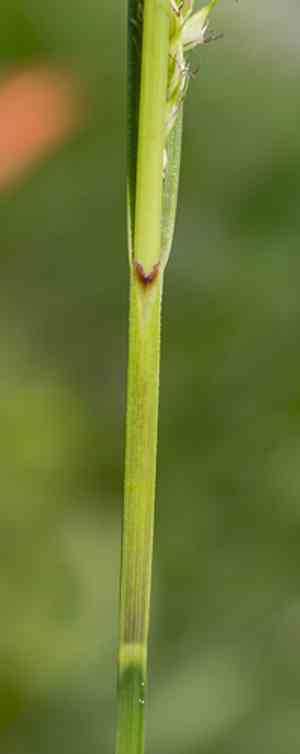
Hairy-fruit sedge (Carex trichocarpa)
Also known as: Hairy-fruited Sedge
Carex trichocarpa, commonly known as the hairy-fruited sedge, is indigenous to North America and is recognized as a "species of special concern" in Connecticut. This plant is vital for the larvae of Euphyes bimacula, the two-spotted skipper butterfly, which is categorized as endangered in the state. The larvae rely on Carex trichocarpa for nourishment, highlighting the ecological connection between the two species.
In This Article
Attributes of Hairy-fruit sedge
Lifespan
Perennial
Plant Type
Grass
Plant Height
41 cm to 1.2 m
Spread
N/A
Leaf Color
Green
Flower Size
N/A
Flower Color
Yellowish-brown
Images of Hairy-fruit sedge
Quickly Identify Hairy-fruit sedge
1
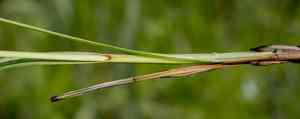
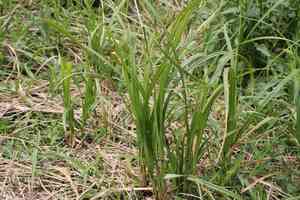
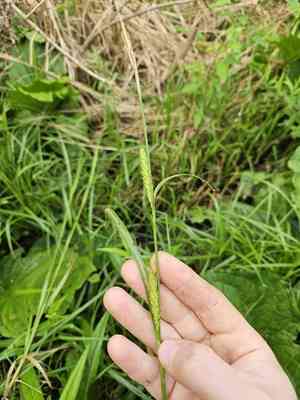
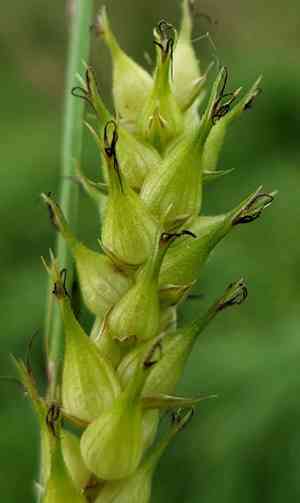
To identify Carex trichocarpa, look for triangular stems and leafy, sheathed structures, with densely clustered spikelets. The hairy-fuzzy fruit structures are a notable distinguishing feature.
Scientific Classification of Hairy-fruit sedge
Phylum
Vascular plants
Class
Monocotyledons
Order
Poales
Family
Sedge
Genus
True sedges
Species
Hairy-fruit sedge
Planting and Growing of Hairy-fruit sedge
Care Difficulty
Moderate
Watering Schedule
Every 2 days
Sunlight Requirements
Partial sun
Sunshine Duration
4-8 hours
Ideal Temperature
60-75℉
Soil Type
Potting Mix, Peat Mix
Soil pH
6.5-7.5
Fertilizer Type
Balanced
Pruning Season
Spring, Summer
Pruning Area
Branches, Leaves
Pruning Frequency
2 times a year
Repotting Season
Spring
Pot Type
Plastic, Ceramic
 How to Water Hairy-fruit sedge?
For Carex trichocarpa, the ideal watering amount is approximately 250 milliliters per session. The goal is to moisten the soil thoroughly without creating standing water. The topsoil should feel damp to the touch but not oversaturated.
What are the symptoms of an underwatered Hairy-fruit sedge?
›
What should I do if my Hairy-fruit sedge is not getting enough water?
›
What are the symptoms of an overwatered Hairy-fruit sedge?
›
How to save an overwatered Hairy-fruit sedge?
›
 What Are the Sunlight Requirements for Hairy-fruit sedge?
Carex trichocarpa ideally resides in environments that provide partial sun to full shade. This range ensures steady growth, rich foliage colors, and optimal plant health, enhancing its ecological function and ornamental appeal.
What is the ideal light level for Carex trichocarpa?
›
How can I achieve ideal lighting for Carex trichocarpa indoors?
›
What benefits does Carex trichocarpa gain from ideal lighting?
›
 What Is the Ideal Temperature Range for Hairy-fruit sedge?
The ideal temperature range for growing Carex trichocarpa is between 60°F and 75°F. This range provides a balanced environment that supports optimal plant growth, encouraging healthy foliage and root development. Cultivating the plant within this temperature range ensures that it has adequate warmth to facilitate efficient photosynthesis and nutrient uptake.
 What Soil is Best for Hairy-fruit sedge?
Carex trichocarpa performs best in soils that retain moisture well, as it typically grows in moist environments. This ensures that the plant has a constant supply of water, crucial for its lush growth and vitality. This sedge thrives in nutrient-rich soils that provide essential minerals necessary for growth. A nutrient-rich base supports its rapid growth and vibrant green foliage, making the plant healthier and more resilient. Soil with good aeration is vital for Carex trichocarpa, ensuring that roots receive adequate oxygen. Proper aeration helps the plant avoid root rot and supports stronger, more robust development.
 How to Fertilize Hairy-fruit sedge?
For Carex trichocarpa, an appropriate amount of fertilizer should be moderately balanced. When using liquid fertilizer, dilute it well, aiming for a concentration of about 50% of what the package recommends for houseplants. Approximately 2-3 tablespoons per gallon of water is typically sufficient, applied twice a month. For solid fertilizers, use around 1 pound of slow-release granules per 100 square feet annually.
 How to Prune Hairy-fruit sedge?
Begin your pruning session by first cleaning your tools to avoid the spread of diseases. Use sharp shears to trim any dead or brown leaves, which can be easily distinguished by their dry, decaying texture. Cut back these leaves as close to their base as possible. Trim evenly to maintain a pleasing aesthetic while ensuring you do not cut the plant back too aggressively. This encourages new growth and helps the plant maintain a tidy appearance.
More About Pruning Techniques→
 How to Propagate Hairy-fruit sedge plant?
1
To propagate using seeds, fill seed trays with a mix of quality potting soil. Sprinkle the seeds evenly and cover them lightly with soil. Maintain moisture by misting regularly and place the tray in a bright area, but out of direct sunlight.
2
For division propagation, carefully dig up the plant during spring or early summer. Use a garden fork or spade to separate the root ball into smaller sections, ensuring each has ample roots and shoots. Replant the divisions promptly at the same depth they were growing.
3
Once seeds germinate and seedlings appear, continue to maintain soil moisture, but avoid overwatering. Gradually expose them to more sunlight, which helps strengthen them before they are transferred to pots or the garden.
 How to Repot Hairy-fruit sedge plant?
1
The best time to repot Carex trichocarpa is during the growing seasons of spring and summer. Look for signs such as roots emerging from the drainage holes and slowed growth, which indicate that the plant has outgrown its current pot and needs more space to thrive.
2
Select a pot that's slightly larger than the current one, typically 1-2 inches wider in diameter. A pot with good drainage is essential to prevent root rot, allowing excess water to escape easily. This choice ensures the roots have sufficient room to grow and the plant can maintain optimal moisture levels.
3
Opt for a soil mix that retains adequate moisture while draining well to prevent waterlogging. A blend containing peat, perlite, and organic matter provides nutrition and aeration. This soil choice promotes healthy root development and prevents the common issue of waterlogged roots leading to plant stress.
Learn More About Hairy-fruit sedge Diseases
Anthracnose
Bacterial Leaf Spot
Bacterial Soft Rot
Chemical Injury
Cyst Nematode
Damping-off
Downy Mildew
Drought Stress
Fusarium Wilt
Gray Mold
Leaf Spot
Mosaic
Nutrient Deficiency
Nutrient Toxicity
Powdery Mildew
Root Rot
Root-knot Nematode
Rusts
Sooty Mold
Spider Mites
Temperature Stress
Thrips Damage
White Mold



