How to Transplant Shasta sedge?
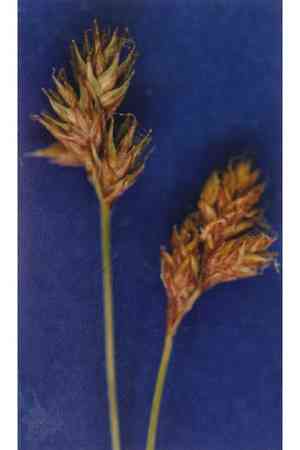
Shasta sedge flourishes when relocated from early to late spring, and also in late autumn, owing to mild temperatures. Provide a site with good drainage and exposure to partial or full sunlight for best development. Sufficient hydration assists in successful rooting.
What Preparations are Needed Before Transplanting Shasta Sedge?
What is the Ideal Time for Transplanting Shasta Sedge?
The best time to move shasta sedge is from early to late spring or during late autumn. Moving them then allows the plant to develop roots in mild weather, avoiding intense summer heat or winter cold. This promotes root growth and better adaptation, leading to a healthier, more robust plant ready for the growing season.
How Much Space Should You Leave Between Shasta Sedge Plants?
When relocating shasta sedge, ensure each plant is spaced 18-24 inches (46-61 cm) apart. This spacing promotes healthy growth without crowding and provides ample room for root expansion.
What is the Best Soil Mix for Shasta Sedge Transplanting?
Prepare well-draining soil enriched with organic compost. This plant thrives in slightly acidic to neutral pH soil. Incorporate a balanced starter fertilizer, such as a 10-10-10 (N-P-K) blend, to give shasta sedge a strong beginning.
Where Should You Relocate Your Shasta Sedge?
Shasta sedge prefers a spot with full sun to partial shade. Select a location where the plant can receive at least 6 hours of sunlight daily for optimal development.
What Equipments Should You Prepare Before Transplantation Shasta Sedge?
Gardening Gloves
To safeguard your hands while handling soil and plants.
Hand Trowel
For digging small holes and assisting with the relocation process.
Shovel
Used for excavating a trench around the plant when necessary.
Watering Can or Hose
To hydrate the plant before and after its move.
Pruners
For trimming any damaged roots or foliage.
Wheelbarrow
To transport the plant to its new site if required.
How Do You Remove Shasta Sedge from the Soil?
How Do You Remove Shasta Sedge from the Soil?
From Ground: First, moisten the shasta sedge plant to dampen the soil. Next, dig a wide trench around the plant using a shovel, ensuring the plant's root ball remains intact. Carefully work the spade beneath the root ball to lift the plant from its original spot.From Pot: Gently tap the pot's sides to loosen the soil. Invert the pot while supporting the plant's base with your hand. Slide the plant out of the pot, taking care not to harm the roots.From Seedling Tray: Water the seedling tray to facilitate removal. Use a small hand trowel or spoon to carefully lift the seedling by its root ball, aiming to keep as much soil around the roots as possible.
Step-by-Step Guide for Transplanting Shasta Sedge
Site Preparation
Prepare the new location by digging a hole that is twice as wide and the same depth as the shasta sedge plant's root ball.
Soil Management
If needed, enrich the soil in the new spot with compost or aged manure to ensure the shasta sedge plant has a nutrient-rich environment to flourish in its new home.
Watering
Thoroughly water the new hole before placing the shasta sedge plant inside. This helps create a welcoming environment for the roots.
Plant Placement
Gently position the shasta sedge plant in the new hole, ensuring it sits at the same depth as it was previously planted. Hold the plant steady while backfilling the hole with soil.
Soil Firming
Gently firm the soil around the base of the shasta sedge plant with your hands to eliminate any air pockets and provide stability.
Final Watering
After transplanting, thoroughly water the shasta sedge plant to help it settle into its new surroundings.
How Do You Care For Shasta Sedge After Transplanting?
Watering
Keep the soil around the shasta sedge consistently moist, but not waterlogged, for the initial few weeks post-transplant to aid in establishing strong roots.
Mulching
Apply a 2-3 inch layer of mulch around the base of the shasta sedge plant to retain moisture and stabilize soil temperature.
Monitoring
Observe the plant for any indications of stress, such as wilting or yellowing leaves, and address any issues promptly.
Troubleshooting Common Issues with Shasta Sedge Transplantation.
When is the best time to transplant shasta sedge?
The ideal times for relocating shasta sedge are from early spring to late spring and late fall.
How should I prepare the soil for shasta sedge transplantation?
Amend the soil with compost for improved drainage and ensure it is free of weeds and debris.
What spacing should be maintained when transplanting shasta sedge?
Maintain a distance of 18-24 inches (45-60 cm) between each shasta sedge when transplanting.
How do I handle the roots of shasta sedge during transplantation?
Handle the roots with care to prevent damage. Ensure the root ball remains intact during transfer.
Do I need to water shasta sedge immediately after transplanting?
Water shasta sedge thoroughly right after transplanting to help it settle in its new spot.
What type of site is ideal for shasta sedge transplantation?
Choose a location with partial to full sun exposure and well-draining soil for optimal shasta sedge growth.
How deep should I plant shasta sedge when transplanting?
Plant shasta sedge at the same depth it was growing in its previous location to avoid stress.
What should I do if shasta sedge shows signs of transplant shock?
If shasta sedge exhibits transplant shock symptoms, provide additional water and some shade to aid its recovery.
How long does it take for shasta sedge to establish after transplanting?
It typically takes a few weeks to several months for shasta sedge to become established after transplanting.
Can I use mulch around shasta sedge after transplanting?
Yes, apply a layer of mulch around shasta sedge to retain moisture and suppress weed growth.



