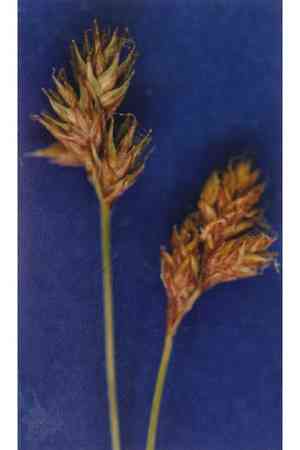
Shasta sedge (Carex straminiformis)
Also known as: Straw sedge, Straw-colored sedge
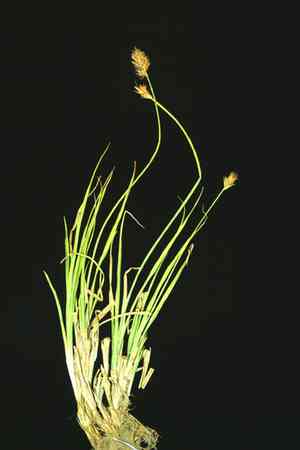
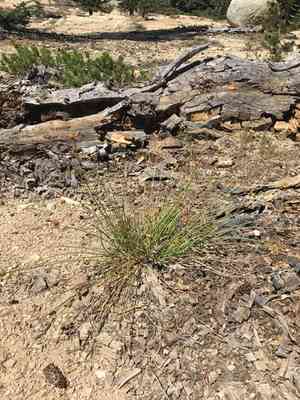
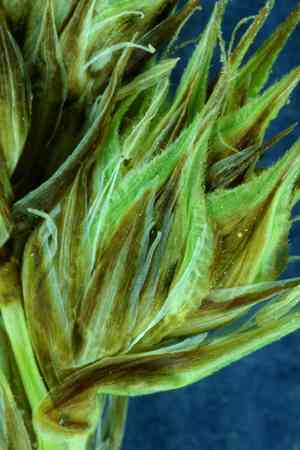
Carex straminiformis forms dense clumps with stems ranging from 20 to 50 centimeters in height and leaves reaching up to approximately 25 centimeters in length. The inflorescence is characterized by a dense, rounded cluster of numerous distinct flower spikes, typically brown in color.
In This Article
Attributes of Shasta sedge
Lifespan
Perennial
Plant Type
Grass
Plant Height
10-30 inches
Spread
N/A
Leaf Color
Green
Flower Size
Small
Flower Color
Brown
Images of Shasta sedge
Quickly Identify Shasta sedge
1
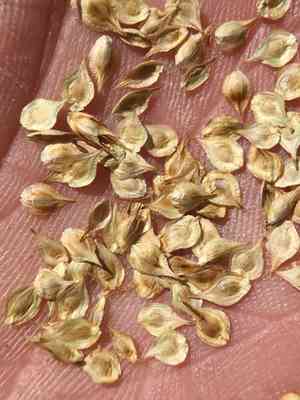
Carex straminiformis can be identified by its tufted growth habit, straw-colored stems, and narrowly linear leaves. The plant usually produces small, inconspicuous flowers arranged in spikes.
Scientific Classification of Shasta sedge
Phylum
Vascular plants
Class
Monocotyledons
Order
Poales
Family
Sedge
Genus
True sedges
Species
Shasta sedge
Planting and Growing of Shasta sedge
Care Difficulty
Moderate
Watering Schedule
Every 2 days
Sunlight Requirements
Partial sun
Sunshine Duration
4-6 hours
Ideal Temperature
50-68℉
Soil Type
Potting Mix, Peat Mix
Soil pH
6.5-7.5
Fertilizer Type
Balanced
Pruning Season
Spring, Summer
Pruning Area
Branches, Leaves
Pruning Frequency
2 times a year
Repotting Season
Spring
Pot Type
Plastic, Ceramic
 How to Water Shasta sedge?
For Carex straminiformis, providing approximately 250 milliliters of water is ideal as it allows the soil to remain moist but not waterlogged. Ensure the water penetrates the root zone, ensuring coverage without excess pooling.
What are the symptoms of an underwatered Shasta sedge?
›
What should I do if my Shasta sedge is not getting enough water?
›
What are the symptoms of an overwatered Shasta sedge?
›
How to save an overwatered Shasta sedge?
›
 What Are the Sunlight Requirements for Shasta sedge?
Partial sun environments, comprising filtered light or dappled sunlight, benefit the plant by enabling steady, healthy growth while preventing light-induced stress.
What is the optimal lighting solution for Carex straminiformis?
›
How can one implement the ideal lighting solution?
›
What are the benefits of ideal light conditions for this plant?
›
 What Is the Ideal Temperature Range for Shasta sedge?
The ideal temperature range for cultivating Carex straminiformis is between 50°F and 68°F. This range ensures optimal growth and health for the plant, providing enough warmth for metabolic processes without exposing the plant to heat stress.
 What Soil is Best for Shasta sedge?
Carex straminiformis thrives in soil with good drainage. Excess water can lead to root rot, so ensuring proper drainage is essential for its health and longevity. Providing nutrient-rich soil helps in the robust growth of Carex straminiformis. Fertile soil ensures that the plant receives the necessary nutrients for its lush green foliage. This plant prefers soil with moderate moisture levels, avoiding overly dry or waterlogged conditions. Balance moisture ensures steady growth and maintains vibrant foliage.
 How to Fertilize Shasta sedge?
For Carex straminiformis, it is crucial to adhere to moderate fertilization. Typically, use a balanced liquid fertilizer with a ratio of 20-20-20. Administer approximately 1/2 teaspoon of liquid fertilizer per gallon of water. For slow-release fertilizers, apply about 1 tablespoon per plant base. This ensures proper nutrition without overloading the soil.
 How to Prune Shasta sedge?
To prune Carex straminiformis, first remove dead or damaged foliage using sharp, clean scissors or garden shears. Next, trim back any overly long leaves to maintain the plant's desired shape, ensuring cuts are made at the base of the leaf stem. If shaping the plant, gradually cut back longer areas to give an even, tidy appearance. Always make sure to sterilize your tools before pruning to avoid transmitting diseases.
 How to Propagate Shasta sedge plant?
1
Fill a seed tray with a mix of half peat and half sand to create an ideal environment for Carex straminiformis seed germination. Moisten the mixture lightly before sowing the seeds, ensuring they have a good start in a well-aerated medium.
2
Scatter the seeds evenly across the surface of the prepared seed tray. Press them lightly into the soil without fully burying to allow light exposure, and then mist gently. This encourages the seeds to stay in place and promotes germination.
3
Use a garden spade to dig around the existing plant, remove it from the ground with care, and gently divide the root mass into smaller clumps, ensuring each clump has healthy roots and shoots. This helps in rejuvenating the plant and encourages new growth.
 How to Repot Shasta sedge plant?
1
Carex straminiformis should be repotted when you notice roots growing out of the drainage holes or when the growth seems stunted despite good care. This indicates that the plant has outgrown its current pot and needs more space to thrive. Repotting during spring or autumn helps the plant recover quickly, as it is a period of active growth.
2
Choose a pot that's about 1-2 inches larger in diameter than the current one. Ensure it has ample drainage holes to prevent waterlogging, which can cause root rot. Using the right-sized pot not only avoids crowding the roots but also ensures stability, preventing the plant from becoming top-heavy and tipping over.
3
Opt for a well-draining soil mix, ideally a combination of potting soil, perlite, and sand. This blend aids in preventing water retention, reducing the risk of fungal issues and ensuring that moisture reaches the roots uniformly. A good soil mix also supports nutrient retention, promoting healthier growth.



