How to Transplant Sprengel's sedge?
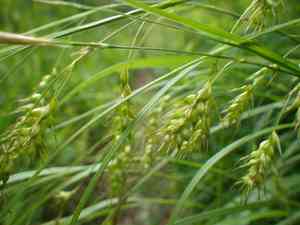
For Sprengel's sedge, the ideal period for transplanting is the revitalizing stretch from early to late spring, allowing roots to settle prior to summer. Select a shaded spot with damp earth, and if dividing, retain sufficient root mass for robust growth.
Essential Preparations Before Relocating Sprengel's Sedge
Optimal Period for Transplanting Sprengel's Sedge
The best time to move sprengel's sedge spans from the revitalizing start of early spring through its vibrant conclusion. During these months, the ground offers sufficient warmth and moisture, fostering robust root development. Transplanting within this timeframe allows sprengel's sedge ample opportunity to establish itself prior to summer. This alignment with natural cycles boosts survival rates and plant vitality, giving sprengel's sedge the finest chance to flourish in its new spot.
Recommended Spacing Between Sprengel's Sedge Plants
When relocating sprengel's sedge, it's beneficial to provide them with adequate room to thrive. Aim for a comfortable spacing of 8-12 inches (20-30 cm) between plants. This ensures sufficient area for growth without overcrowding, promoting a healthy and successful start in their new environment!
Best Soil Blend for Sprengel's Sedge Transplantation
A bit of foundational work greatly benefits sprengel's sedge! Prepare a well-draining soil mixture rich in organic matter â such as compost or leaf mold. Give them a boost with a balanced, slow-release fertilizer to help them settle into their new location.
Selecting the New Location for Your Sprengel's Sedge
Choose a site for sprengel's sedge where they can enjoy partial shade with occasional sun exposure. They thrive in dappled sunlight, ideal for a relaxed setting. However, remember they are sensitive to excessive direct sun, so some protection is preferable!
Equipment Needed Before Transplanting Sprengel's Sedge
Gardening Gloves
To safeguard your hands while handling soil and plants.
Shovel or Spade
For excavating the plant and preparing the new planting site.
Watering Can or Hose
To hydrate the plant before and after the relocation process.
Garden Fork
To aerate the soil around the plant's roots if they are compacted.
Wheelbarrow or Tarp
For moving the plant and its soil without causing damage.
Secateurs or Pruning Shears
To trim any damaged roots or foliage.
Organic Mulch
To help maintain soil moisture and regulate temperature around the plant's roots post-transplant.
How to Extract Sprengel's Sedge from the Soil
How to Extract Sprengel's Sedge from the Soil
From Ground: First, moisten the soil around the sprengel's sedge plant. Then, use a shovel or spade to dig a wide trench around the plant, ensuring the root ball remains intact. Carefully work the spade beneath the root ball to lift the plant from its original spot.From Pot: Begin by watering the sprengel's sedge to facilitate the removal of the root ball. Tilt the pot and gently tap its sides to loosen the plant. Carefully pull the plant out by its stem base, avoiding the leaves. Support the root ball as it comes free.From Seedling Tray: Water the seedlings before transplanting to moisten the soil. Use a garden fork to gently lift the entire plant, including the soil surrounding the roots, taking care not to harm any delicate seedling roots.
Detailed Steps for Transplanting Sprengel's Sedge
Transplant Timing
If possible, select a cool, overcast day to minimize stress on the sprengel's sedge during relocation.
Preparing the New Site
Excavate a hole deep and wide enough to accommodate the sprengel's sedge's root ball. Incorporate compost if necessary to enhance drainage.
Removing sprengel's sedge
If moving sprengel's sedge from the ground, carefully dig around the plant to preserve its root system. For potted plants, tip and gently ease the plant out of its container.
Placement
Position the sprengel's sedge in the center of the new hole. Ensure it is planted at the same depth it was previously growing.
Backfilling
Gently refill the hole with the excavated soil, lightly tamping it down to eliminate air pockets without compacting the soil.
Watering In
Thoroughly water the transplanted sprengel's sedge to settle the soil around the roots and help remove any remaining air pockets.
Applying Mulch
Spread a 2-3 inch layer of organic mulch around the base of the sprengel's sedge, being careful not to pile it against the stems.
Post-Transplant Care for Sprengel's Sedge
Watering
Maintain consistent moisture in the soil around sprengel's sedge for several weeks after transplanting. This is vital for the root system's recovery and establishment.
Mulch Management
Regularly inspect the mulch to ensure it's not too close to the stem, which could lead to rot, and to maintain its appropriate thickness.
Pruning
Remove any damaged or dead leaves and stems to direct the sprengel's sedge's energy towards root establishment rather than supporting unnecessary foliage.
Monitoring
Watch sprengel's sedge for signs of transplant shock, such as wilting or yellowing leaves, and provide additional care as needed.
Resolving Common Issues with Sprengel's Sedge Transplantation.
Why is my sprengel's sedge wilting after transplanting?
Post-transplant wilting may stem from root shock. Ensure careful handling during relocation and provide sufficient water.
What's the best time to transplant sprengel's sedge?
Relocate sprengel's sedge during the mild period from early to late spring, allowing it to establish before hot weather.
How far apart should I space my sprengel's sedge?
Space sprengel's sedge approximately 8-12 inches (20-30 cm) apart. Proper spacing ensures adequate air circulation and nutrient access.
My sprengel's sedge isn't thriving after transplant, what should I do?
Verify the planting depth; roots should be just beneath the surface. Also, ensure the soil drains effectively.
How much water does sprengel's sedge need after transplanting?
Initially, keep the soil uniformly moist, but not waterlogged. Afterward, water deeply once a week to encourage deep root growth.
Should sprengel's sedge be fertilized after transplanting?
Wait until sprengel's sedge exhibits new growth before fertilizing, then use a balanced, slow-release fertilizer.
How do I know if my sprengel's sedge is getting enough light?
Observe the plant's development; sprengel's sedge prefers partial to full shade. Stunted growth or bleached leaves may indicate excessive light.
Can sprengel's sedge be transplanted during summer?
Itâs not optimal. Heat stress can negatively impact sprengel's sedge. If necessary, provide extra water and shade.
Why are my sprengel's sedge leaves turning yellow after transplant?
Yellow leaves might signal overwatering or poor drainage. Ensure the soil is moist but well-drained.
How do I prepare the soil for transplanting sprengel's sedge?
Utilize a rich, organic soil mix and consider adding compost. Ensure the soil is loose and fertile for optimal growth.



