How to Prune Sprengel's sedge?
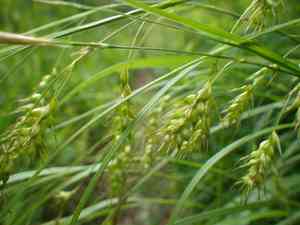
Sprengel's sedge, a perennial grass-like plant featuring pendulous seed heads, thrives with judicious trimming to preserve its form and stimulate robust development. In spring, remove any withered or compromised leaves, and in autumn, once the foliage has receded, cut the plants back to the soil line. Refrain from significant summer trimming; only undertake it to eliminate faded flower stalks and enhance its neatness. Consistent trimming deters self-propagation and fosters more compact growth in the subsequent season.
What Are the Benefits of Pruning Sprengel's Sedge?
What Are the Benefits of Pruning Sprengel's Sedge?
Trimming sprengel's sedge promotes robust development and preserves its desired form. Consistent cutting prevents excessive growth, ensuring a tidy look and fostering optimal vitality.
What Is the Best Time for Pruning Sprengel's Sedge?
What Is the Best Time for Pruning Sprengel's Sedge?
Trimming sprengel's sedge in late Spring, once new growth starts, enables gardeners to remove any dead or damaged foliage from winter without harming new shoots. Pruning in early Fall allows for the removal of old growth before dormancy and helps maintain the plant's health and shape without encouraging late-season growth susceptible to impending winter frosts. These periods are ideal to ensure sprengel's sedge has ample time to recover before extreme temperatures, while also aligning with the plant's natural life cycle to avoid cutting during peak growth.
What Tools Do I Need to Prune Sprengel's Sedge?
Sharp Hand Pruners
Perfect for making clean, accurate cuts on sprengel's sedge's slender, grass-like leaves. Hand pruners can easily snip its delicate stems without causing unnecessary harm to the plant.
Grass Shears
These are especially useful for uniformly trimming and shaping sprengel's sedge's foliage, particularly during the plant's active growth period in spring and summer.
Pruning Saw
Though not typically required for sprengel's sedge, a small pruning saw can be helpful for cutting through thicker, woody stems if sprengel's sedge has been left to grow unchecked for several seasons.
Gardening Gloves
To shield the gardener's hands from scrapes and provide a better grip on tools when working with sprengel's sedge.
Leaf Rake
Useful for gently clearing away debris and clippings after pruning sprengel's sedge, helping to maintain a clean and visually appealing garden area.
How to Prune Sprengel's Sedge
Identify
Examine sprengel's sedge to pinpoint leaves or branches showing signs of illness, wilting, or death. Focus on discolored, spotted, or abnormal leaves, as well as brittle branches or those with visible damage or disease.
Disinfect
Clean and sanitize pruning tools before starting and between cuts, especially when cutting diseased material, to prevent disease spread. Use a solution of 1 part bleach to 9 parts water or rubbing alcohol for tool disinfection.
Cut
Using sharp, clean pruning shears, snip at the base of diseased or withered leaves, and make clean cuts on dead or diseased branches. Cut at a slight angle, just above a healthy leaf node or side shoot, to encourage proper regrowth.
Remove
Gently take away the cut material from the plant to prevent potential pests or diseases from lingering. It's crucial to handle sprengel's sedge carefully to avoid damaging healthy parts while removing undesirable sections.
Dispose
Properly discard the trimmed diseased leaves and branches. Do not compost them as diseases may spread. Seal them in a bag and place them in the trash, or burn them if allowed and safe.
Common Pruning Mistakes with Sprengel's Sedge
Overzealous cutting
Beginners often err by pruning sprengel's sedge too aggressively, removing more foliage than necessary. This can stress the plant and hinder its ability to flourish.
Imprecise tool use
Both new and experienced gardeners may sometimes use dull or unsuitable tools, leading to jagged cuts that heal poorly and can attract pests or diseases.
Neglecting to clean tools
Failure to clean tools before use can transfer diseases from infected plants to healthy ones, including sprengel's sedge.
Ignoring plant form
A frequent error is shaping sprengel's sedge without considering its natural growth habit, which can result in an unnatural appearance and impede growth.
Inattentive to dead growth
Not removing dead or damaged growth can lead to unhealthy plant conditions, as these can harbor pests and diseases that may affect sprengel's sedge.
Common Pruning Tips for Sprengel's Sedge
Correct technique
Employ sharp, clean scissors or pruning shears to make precise cuts on sprengel's sedge. This promotes better healing and reduces disease risk.
Maintenance pruning
Regularly remove dead or yellowing leaves from sprengel's sedge to encourage new growth and maintain plant vigor.
Pruning for health
Inspect sprengel's sedge frequently for signs of stress or disease and promptly prune affected areas to prevent spread.
Retaining plant structure
When pruning sprengel's sedge, follow its natural shape to maintain the plant's aesthetic and health. This helps ensure energy is well-distributed.
Gentle pruning approach
Adopt a conservative approach to pruning sprengel's sedge, ensuring you do not remove more than one-third of the plant at any one time to avoid plant shock.



