How to Transplant Boreal bog sedge?
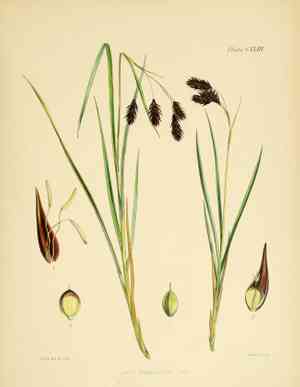
For boreal bog sedge, the ideal period for transplanting spans from early spring's thaw to the onset of summer, capitalizing on peak growth circumstances. Select locations that replicate their natural, damp habitats. Careful manipulation is essential to safeguard fragile root structures.
What Preparations are Needed Before Transplanting Boreal Bog Sedge?
What is the Ideal Time for Transplanting Boreal Bog Sedge?
The perfect time for moving boreal bog sedge is when spring blooms appear, transitioning into early summer. This timing ensures roots can establish in warm, moist soil, crucial for boreal bog sedge's thriving. By choosing this moment, you provide boreal bog sedge with the nurturing environment it needs, allowing for smooth root expansion and adaptation, promoting strong growth. It's a gentle alignment with nature, matching boreal bog sedge's requirements with the season's offerings, guaranteeing a lush future.
How Much Space Should You Leave Between Boreal Bog Sedge Plants?
Let's find the optimal placement for your boreal bog sedge. You'll want to give each plant ample room to grow. Aim for a comfortable spacing of approximately 8-12 inches (20-30 cm) apart. This will allow their root systems to spread freely and the plants to develop beautifully!
What is the Best Soil Mix for Boreal Bog Sedge Transplanting?
Now, to ensure your boreal bog sedge gets the best start, let's prepare a suitable bed. They flourish in damp, well-drained soil rich in organic material. Gently mix in some balanced, slow-release plant food to give them a nutritional boost without overwhelming them.
Where Should You Relocate Your Boreal Bog Sedge?
These boreal bog sedge prefer some shade! Select a location where they can enjoy partial to full shade, away from the intense midday sun. This will mimic their natural, cool boggy habitat and keep them content. Remember, soft morning or late afternoon light is best for your boreal bog sedge.
What Equipments Should You Prepare Before Transplantation Boreal Bog Sedge?
Gardening Gloves
To shield your hands while handling soil and plants.
Spade or Shovel
To carefully excavate the plant with minimal root disturbance.
Hand Trowel
For more precise digging near the plant's root system.
Watering Can or Hose
To hydrate the plant before and after removal, as well as in its new spot.
Pruning Shears
To trim any dead or damaged roots or foliage.
Wheelbarrow or Plant Sled
To transport the plant from its original spot to the new location.
Garden Fork
To loosen soil and incorporate amendments if necessary.
How Do You Remove Boreal Bog Sedge from the Soil?
How Do You Remove Boreal Bog Sedge from the Soil?
From Ground: First, water the boreal bog sedge plant to moisten the soil. Then, dig a wide circle around the plant using a shovel or spade, being careful to preserve as much of the root ball as possible. Gently work the spade underneath and lift the plant from its original position.From Pot: Water the boreal bog sedge thoroughly. Tilt the pot sideways and tap it to loosen the soil. Grasp the base of the plant and carefully pull it out, ensuring the root ball stays intact.From Seedling Tray: Water the seedlings well before beginning. Use a hand trowel or dibbler to gently lift each seedling from the tray by pushing up from the bottom. Hold the seedlings by their leaves to minimize stem damage.
Step-by-Step Guide for Transplanting Boreal Bog Sedge
Choosing the Right Time
Move the boreal bog sedge during a cool part of the day or on an overcast day to lessen transplant shock.
Preparing the New Site
Dig a hole in the ground that is twice as wide and the same depth as the plant's root ball, allowing ample space for the roots to spread.
Plant Removal
Follow the appropriate 'removal process' for extracting the plant from its previous growing conditions as described above.
Transplanting
Position the boreal bog sedge in the center of the prepared hole, ensuring the top of the root ball is level with the surrounding soil surface. Fill in around the root ball with soil, gently firming as you go to eliminate air pockets.
Watering
Water the boreal bog sedge immediately after transplanting to settle the soil around the roots and aid in recovery.
Mulching
Apply a layer of mulch around the base of the boreal bog sedge to help retain soil moisture and reduce weed competition, keeping the mulch away from the plant's stems.
How Do You Care For Boreal Bog Sedge After Transplanting?
Watering
Maintain consistent moisture around the boreal bog sedge, watering deeply and regularly, while being careful not to waterlog the soil.
Observation
Monitor the boreal bog sedge for signs of transplant stress, such as wilting or yellowing leaves, and take actions like shading or additional watering if needed.
Pruning
Snip off any dead or damaged leaves or stems to encourage new growth and a healthier boreal bog sedge.
Protection
If pests or frost are concerns, provide suitable protection to ensure the boreal bog sedge's successful establishment in its new location.
Troubleshooting Common Issues with Boreal Bog Sedge Transplantation.
What's the prime time to transplant boreal bog sedge?
The best time for transplanting boreal bog sedge is from late spring to early summer, when the weather is mild.
How far apart should boreal bog sedge be spaced when transplanting?
For optimal growth, space your boreal bog sedge about 8-12 inches (20-30 cm) apart.
What is the best soil condition for transplanting boreal bog sedge?
Aim for moist, well-drained soil rich in organic matter for transplanting boreal bog sedge.
How deep should I plant boreal bog sedge when transplanting?
Plant boreal bog sedge so the root ball is level with the soil surface, not too deep or shallow.
Should I water boreal bog sedge immediately after transplanting?
Yes, give boreal bog sedge a good watering to help roots settle and reduce transplant shock.
Do I need to trim boreal bog sedge before transplanting?
Trimming isn't usually necessary unless you're removing damaged foliage or roots.
How can I ensure boreal bog sedge survives the transplant?
Keep the soil consistently moist and avoid extreme temperatures for a successful transplant.
After transplanting boreal bog sedge, when should I fertilize?
Wait a few weeks before fertilizing to allow boreal bog sedge to establish in its new location.
What signs of stress should I look for in boreal bog sedge after transplanting?
Wilting, yellowing, or drooping leaves may indicate transplant stress in boreal bog sedge.
Can boreal bog sedge be transplanted on cloudy days?
Cloudy days are ideal for transplanting boreal bog sedge, as the mild conditions reduce stress on the plant.



