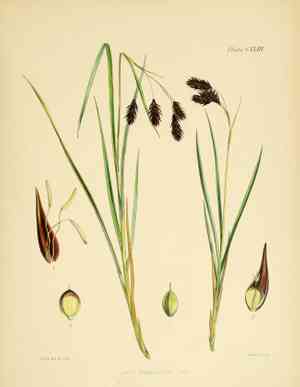
Boreal bog sedge (Carex magellanica)
Also known as: Bog sedge
Boreal bog sedge thrives in wet, marshy environments, often found in both high and low elevations. The plant's stems are typically surrounded by remnants of last year’s dried leaves. It is well-adapted to nutrient-poor soils where many other species struggle to grow.
In This Article
Attributes of Boreal bog sedge
Lifespan
Perennial
Plant Type
Grass
Plant Height
15 cm to 81 cm
Spread
20-30 cm
Leaf Color
Green, Glaucous
Flower Size
Inconspicuous
Flower Color
Brownish
Images of Boreal bog sedge
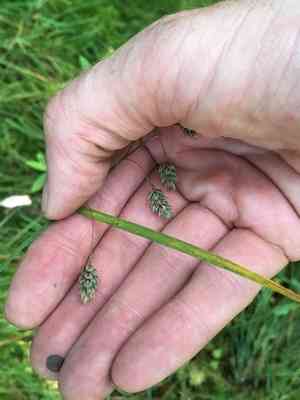
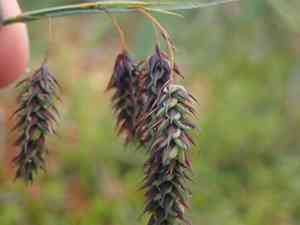
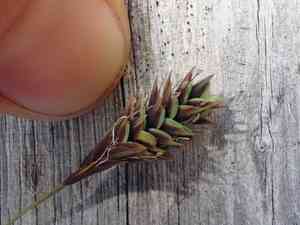
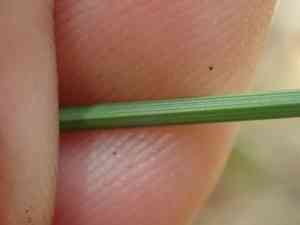
Quickly Identify Boreal bog sedge
1
Carex magellanica can be identified by its grass-like, slender, and tufted appearance. The leaves are long, narrow, and linear, often with a green or glaucous color. It produces small, inconspicuous, brownish flowers clustered in spikelets.
Scientific Classification of Boreal bog sedge
Phylum
Vascular plants
Class
Monocotyledons
Order
Poales
Family
Sedge
Genus
True sedges
Species
Boreal bog sedge
Planting and Growing of Boreal bog sedge
Care Difficulty
Easy
Watering Schedule
Every 2 days
Sunlight Requirements
Partial sun
Sunshine Duration
6-10 hours
Ideal Temperature
50-68℉
Soil Type
Potting Mix, Peat Mix
Soil pH
4.5-7
Fertilizer Type
Balanced
Pruning Season
Spring, Summer
Pruning Area
Branches, Leaves
Pruning Frequency
2 times a year
Repotting Season
Spring
Pot Type
Plastic, Ceramic
 How to Water Boreal bog sedge?
Carex magellanica thrives with consistent moisture, ideally maintaining the soil lightly moist but not waterlogged. This plant appreciates around 250 ml of water per session, ensuring the top inch of soil remains soft and hydrated without pooling water which could suffocate the roots.
What are the symptoms of an underwatered Boreal bog sedge?
›
What should I do if my Boreal bog sedge is not getting enough water?
›
What are the symptoms of an overwatered Boreal bog sedge?
›
How to save an overwatered Boreal bog sedge?
›
 What Are the Sunlight Requirements for Boreal bog sedge?
Carex magellanica prefers partial sun conditions, receiving dappled sunlight between 2 to 5 hours daily. This balance ensures optimal photosynthetic activity, promoting healthy foliage while averting stress that comes from erroneous lighting extremes.
More About Sunlight Requirements Techniques→
What is the best location for Carex magellanica?
›
How can you ensure optimal light exposure for Carex magellanica?
›
Why is ideal lighting important for Carex magellanica?
›
 What Is the Ideal Temperature Range for Boreal bog sedge?
The ideal temperature for the growth of Carex magellanica ranges from 50°F to 68°F. This range allows for optimal physiological functions and promotes healthy development of the plant. Conditions within this temperature window facilitate adequate enzyme activity and nutrient absorption, contributing to vigorous growth and resistance to potential environmental stresses.
 What Soil is Best for Boreal bog sedge?
Carex magellanica thrives in moisture-retentive soils. These soils maintain the requisite hydration levels that mimic its natural habitats, providing stability for root systems and encouraging robust growth. Rich, loamy soil with an abundance of organic matter is ideal. A nutrient-rich environment supports vigorous growth and helps the plant develop its distinctive foliage and form, contributing to its overall vitality. This plant prefers stable soil conditions with minimal disturbance. Consistent soil structure is critical to support the plant’s root integrity and continuous access to nutrients, encouraging healthy and sustained development.
 How to Fertilize Boreal bog sedge?
For Carex magellanica, the amount of fertilizer should be moderate, ensuring not to overpower the plant. An application of liquid fertilizer should be diluted to half the recommended strength to avoid any risk of nutrient burn.
 How to Prune Boreal bog sedge?
Begin by identifying any dead, damaged, or diseased foliage. Removing these parts first prevents the spread of disease and keeps the plant looking tidy. Carefully trim back any overgrown areas to maintain the plant's natural shape. Focus on cutting the outer edges to encourage fuller growth in the center. Make cuts at a 45-degree angle to allow better water runoff and reduce the risk of water-borne diseases affecting the plant’s stem.
More About Pruning Techniques→
 How to Propagate Boreal bog sedge plant?
1
Collect seeds from mature plants and soak them in water overnight to break dormancy and enhance germination rate. Use a nutrient-rich growing medium in a seed tray for planting.
2
Carefully dig up mature plants and gently divide the root mass into smaller clumps using a sharp knife or shears. Ensure each division has several healthy shoots and a portion of the root system.
3
Place cuttings in a rooting medium and ensure they are properly supported until roots establish. Regularly water and keep the medium moist but not waterlogged.
 How to Repot Boreal bog sedge plant?
1
Carex magellanica needs repotting when you notice signs such as slow growth, roots crowding at the pot base, or soil that dries out quickly after watering. These indicators suggest the roots need more space and fresh nutrients.
2
Select a pot that is one size larger than the current one, ensuring it has adequate drainage holes. This helps prevent root rot and allows the roots to spread comfortably, promoting healthier growth.
3
Pick a loamy soil mix with good drainage, possibly adding perlite for aeration. Such soil ensures the roots receive sufficient air and moisture, thus enhancing the plant's overall health.



