How to Transplant Spiny plumeless thistle?
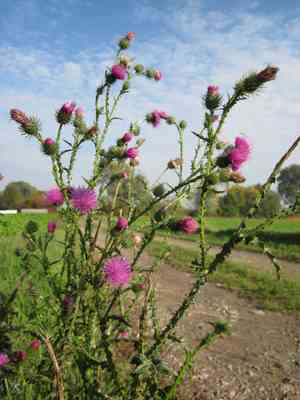
The ideal period for relocating spiny plumeless thistle extends from the vigor of late spring into the mild beginning of summer, capitalizing on prime growing circumstances. Choose sunny, adequately drained locations and provide sufficient room for expansion, guaranteeing the successful transfer of spiny plumeless thistle.
What Preparations are Needed Before Transplanting Spiny Plumeless Thistle?
What is the Ideal Time for Transplanting Spiny Plumeless Thistle?
Moving spiny plumeless thistle during late spring to early summer is perfect. This timeframe provides mild temperatures and consistent moisture, vital for root development. Transplanting then allows spiny plumeless thistle sufficient time to adapt before winter dormancy. Furthermore, nurturing spiny plumeless thistle through this stage can lead to strong growth, ultimately enhancing your garden's beauty with their distinct presence.
How Much Space Should You Leave Between Spiny Plumeless Thistle Plants?
Prior to transplanting spiny plumeless thistle, ensure they have adequate room to flourish! Position them 12-18 inches (30-46 cm) apart. This spacing guarantees each spiny plumeless thistle has ample area to grow without competition, ensuring they receive necessary nutrients and air circulation.
What is the Best Soil Mix for Spiny Plumeless Thistle Transplanting?
Prepare an inviting environment for your spiny plumeless thistle by blending nutrient-rich loamy soil with compost. A balanced, slow-release fertilizer will provide a good start. Ensure the soil drains well to prevent waterlogging, which spiny plumeless thistle dislikes.
Where Should You Relocate Your Spiny Plumeless Thistle?
Select a sunny location for your spiny plumeless thistle, as they love sunlight! They thrive best with at least 6 hours of direct sun daily, promoting vigorous growth and blooming. Avoid excessively shaded areas to keep your spiny plumeless thistle content.
What Equipments Should You Prepare Before Transplantation Spiny Plumeless Thistle?
Gardening Gloves
To safeguard your hands while handling soil and plants.
Shovel or Spade
For excavating around the plant's root mass and its new hole.
Watering Can or Hose
To pre-moisten the plant before extraction and to irrigate after replanting.
Pruning Shears
To trim any damaged roots or excess foliage prior to transplanting.
Wheelbarrow or Garden Cart
For moving the plant from its original spot to the new location.
Tarp or Burlap
To contain the soil around the root ball during transit.
Garden Fork
To loosen the soil surrounding the plant's root ball without harming the roots.
Stake or Plant Support
To stabilize spiny plumeless thistle if needed after transplanting.
How Do You Remove Spiny Plumeless Thistle from the Soil?
How Do You Remove Spiny Plumeless Thistle from the Soil?
From Ground: First, hydrate the spiny plumeless thistle to moisten the soil. Carefully dig a wide perimeter around the plant using a shovel or spade, ensuring the root ball remains intact. Gently pry the spade beneath the root ball to lift the plant from the ground.From Pot: Begin by watering the spiny plumeless thistle to facilitate the roots and soil sliding out of the pot more easily. Tilt the pot sideways and gently tap it to loosen the root ball. If the plant doesn't release easily, you might need to cut the pot away.From Seedling Tray: Water the tray to dampen the soil, minimizing root disturbance. Use a spoon or small tool to carefully lift each seedling by its root ball, taking care not to harm delicate roots.
Step-by-Step Guide for Transplanting Spiny Plumeless Thistle
Prep Work
Start by thoroughly watering spiny plumeless thistle before beginning. This ensures the plant is hydrated and the soil adheres to the roots during relocation.
Root Ball Handling
Using your shovel or garden fork, carefully dig around the spiny plumeless thistle, preserving as much of the root ball as possible. Place it on a tarp or burlap to minimize soil loss.
Transportation
Transport the spiny plumeless thistle carefully to its new spot using a wheelbarrow or garden cart, ensuring not to jolt the plant excessively.
Planting Hole Prep
At the new location, excavate a hole twice as wide and equally deep as the root ball. This loosens the soil in the new area and provides a better environment for root growth.
Plant Placement
Position the spiny plumeless thistle in the center of the new hole at the same depth it was previously growing. Gently spread out the roots if they are clustered.
Backfilling Soil
Refill the hole with the excavated soil, gently firming it around the base of the spiny plumeless thistle to eliminate air pockets.
Stabilizing
If spiny plumeless thistle is tall or top-heavy, insert a stake at this point and loosely tie the plant to it for support as it establishes.
Initial Watering
Water the spiny plumeless thistle generously to settle the soil and aid recovery from transplant shock. Avoid over-watering to prevent root rot.
How Do You Care For Spiny Plumeless Thistle After Transplanting?
Monitoring
Closely observe spiny plumeless thistle for indications of transplant shock, such as wilting or yellowing leaves, and address any issues promptly.
Staking
Inspect the stakes or supports for the initial few months, and adjust as necessary to prevent harm to the growing spiny plumeless thistle.
Mulching
Apply a layer of mulch around the base to retain moisture and suppress weed growth without touching the plant's stem to avoid rot.
Pruning
Remove any dead or damaged foliage to encourage healthy new growth and reduce stress on the spiny plumeless thistle's root system.
Stress Avoidance
Prevent additional stress by not fertilizing immediately and avoiding excessive pruning at once, allowing spiny plumeless thistle to focus on root establishment.
Troubleshooting Common Issues with Spiny Plumeless Thistle Transplantation.
Why is my spiny plumeless thistle wilting after transplanting?
Wilting may stem from shock. Ensure careful handling and consistent soil, and water sufficiently post-transplant.
What's the best time to transplant spiny plumeless thistle?
Optimal transplanting times are from mid-spring's allure until early summer's beginning.
How far apart should I space my spiny plumeless thistle plants?
Allow your spiny plumeless thistles ample space to flourish, positioning them 12-18 inches (30-46 cm) apart.
My spiny plumeless thistle looks unhealthy, what could be the issue?
Ensure the transplant site has well-draining soil and the plants are not planted too deep or too shallow.
Can I transplant spiny plumeless thistle in the fall?
It's best to adhere to the ideal transplant period to ensure robust growth and root establishment.
How much sunlight does spiny plumeless thistle need post-transplant?
Place spiny plumeless thistle in full sun to partial shade to encourage vigorous growth after relocation.
How do I know if the soil is right for transplanting spiny plumeless thistle?
Aim for fertile, loamy soil with good drainage. Avoid waterlogged or excessively dry conditions.
Should I fertilize spiny plumeless thistle after transplanting?
Wait until spiny plumeless thistle shows signs of growth before fertilizing to prevent stress on newly formed roots.
How can I protect my transplanted spiny plumeless thistle from pests?
Regularly check for pests and use appropriate defenses; avoid chemical treatments immediately after transplanting.
How often should I water spiny plumeless thistle after transplanting?
Water spiny plumeless thistles to maintain consistently moist, but not soggy, soil. Adjust frequency based on weather conditions.



