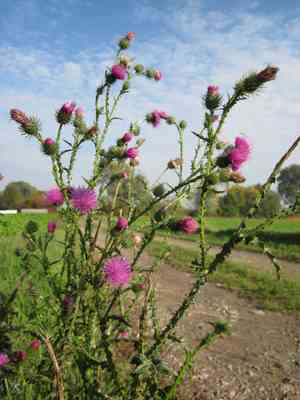
Spiny plumeless thistle (Carduus acanthoides)
Also known as: Bastard nodding thistle, Winged plumeless thistle, Slender thistle
Carduus acanthoides, or the spiny plumeless thistle, typically thrives in open areas like grasslands, roadsides, and disturbed sites. Recognizable by its spiny stems and purple blooms, this plant is native to Europe and Asia. However, it has become invasive in various parts of North America, where it poses a threat to local ecosystems.
In This Article
Attributes of Spiny plumeless thistle
Lifespan
Biennial
Plant Type
Herb
Plant Height
30 cm to 1.2 m
Spread
15-30 cm
Leaf Color
Green
Flower Size
1.3 cm to 2.5 cm
Flower Color
Purple Red
Images of Spiny plumeless thistle
Quickly Identify Spiny plumeless thistle
1
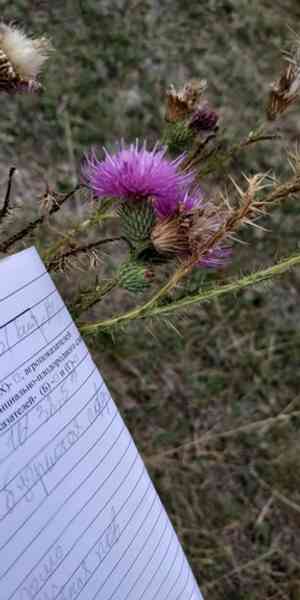
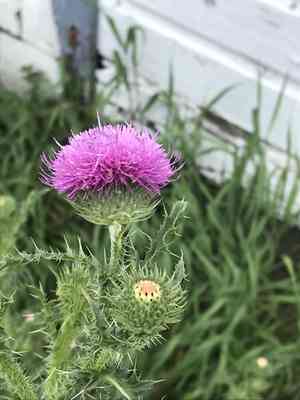
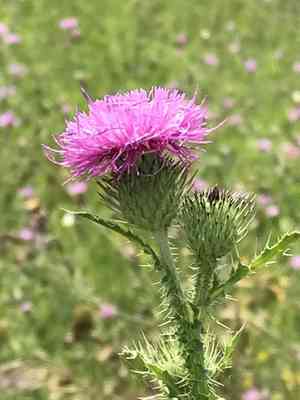
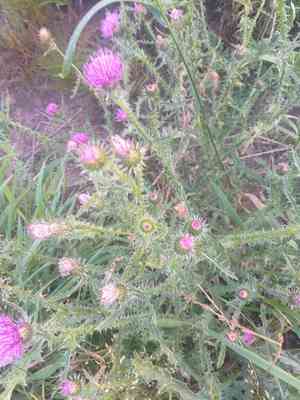
Carduus acanthoides can be identified by its deeply lobed, spiny leaves and erect stems. The plant produces purple or pink flower heads that are surrounded by spine-tipped bracts. Leaves are hairless on the upper surface and spiny on the edges.
Scientific Classification of Spiny plumeless thistle
Phylum
Vascular plants
Class
Dicotyledons
Order
Asterales
Family
Daisy
Genus
Plumeless thistles
Species
Spiny plumeless thistle
Planting and Growing of Spiny plumeless thistle
Care Difficulty
Hard
Watering Schedule
Every 2 days
Sunlight Requirements
Full sun
Sunshine Duration
6-8 hours
Ideal Temperature
60-75℉
Soil Type
Potting Mix, Peat Mix
Soil pH
6-8
Fertilizer Type
Balanced
Pruning Season
Spring, Summer
Pruning Area
Branches, Leaves
Pruning Frequency
2 times a year
Repotting Season
Spring
Pot Type
Plastic, Ceramic
 How to Water Spiny plumeless thistle?
For Carduus acanthoides, also known as the spiny plumeless thistle, the watering amount should be about 250 ml each time. This plant generally thrives in dry to moderately wet soils. Make sure the water reaches the roots, but avoid creating waterlogged conditions. The soil should feel moist to the touch after watering, not overly saturated.
What are the symptoms of an underwatered Spiny plumeless thistle?
›
What should I do if my Spiny plumeless thistle is not getting enough water?
›
What are the symptoms of an overwatered Spiny plumeless thistle?
›
How to save an overwatered Spiny plumeless thistle?
›
 What Are the Sunlight Requirements for Spiny plumeless thistle?
Carduus acanthoides performs best in full sun to partial sun conditions. Ideal lighting ensures maximum flowering and sturdy plant structure, making it more resilient against pests and diseases.
More About Sunlight Requirements Techniques→
Optimal Duration of Sunlight
›
How to Achieve Ideal Conditions
›
Benefits of Ideal Lighting
›
 What Is the Ideal Temperature Range for Spiny plumeless thistle?
The optimal temperature range for the growth of Carduus acanthoides is between 60°F and 75°F. This range provides the perfect balance of warmth and coziness that encourages robust growth, ensuring that the plant maintains its ideal physiological processes. It is crucial to maintain these temperatures consistently to optimize photosynthesis and nutrient uptake, which are vital for the plant's health.
 What Soil is Best for Spiny plumeless thistle?
Carduus acanthoides thrives in well-drained soil that prevents waterlogging. Adequate drainage ensures healthy root development and minimizes the risk of fungal infections, contributing to vigorous plant growth. The plant requires soil with moderate fertility, which provides a balanced supply of nutrients. Overly rich soils can lead to excessive foliage growth at the expense of flowers. A moderate nutrient profile supports optimal blooming. Preferring slightly alkaline conditions, this thistle benefits from soils with a pH closer to 7 to 8. This pH range supports nutrient availability and optimal physiological function, enhancing overall plant health.
 How to Fertilize Spiny plumeless thistle?
Carduus acanthoides, also known as the spiny plumeless thistle, thrives well in nutrient-poor conditions, requiring only minimal fertilization. When fertilizing, aim for a dilute solution, using a balanced 10-10-10 liquid fertilizer at half strength, approximately 0.5 teaspoons per gallon of water.
 How to Prune Spiny plumeless thistle?
Begin pruning in early spring as new growth starts. Trim away any dead or damaged stems close to the base to encourage healthy growth. Pruning early also reduces the chances of spread, as this plant tends to be invasive. In summer, trim back any flowering stems before they can set seed. This prevents the plant from self-seeding across the garden and facilitates more vigorous foliage growth, aiming to maintain the garden's neat appearance.
 How to Propagate Spiny plumeless thistle plant?
1
Begin with a clean seed tray and fill it with a quality potting mix. Ensure the mix is moistened but not soggy, as overly wet conditions can cause seed rot. Create shallow grooves in the soil to space the seeds evenly.
2
Scatter Carduus acanthoides seeds lightly over the prepared soil surface. Cover them with a thin layer of potting mix, barely 1/8 inch, as they require light for germination. Gently press down to ensure good seed-to-soil contact.
3
Place the seed tray in a warm environment with good light but indirect sunlight. Maintain moisture by misting the surface regularly, avoiding overwatering. The germination can take several weeks, so patience and consistent care are crucial.
 How to Repot Spiny plumeless thistle plant?
1
Recognize it's time to repot Carduus acanthoides when the roots begin to grow through the drainage holes or when the growth appears stunted. Spring is an ideal season to repot as it allows the plant to recover during its growing phase.
2
Select a pot that is 1-2 inches larger in diameter than the previous one. Ensure that it has adequate drainage holes. A slightly larger pot prevents water stagnation, which benefits root health and minimizes the risk of root rot.
3
Opt for a well-draining loamy mix which ensures good aeration and adequate moisture retention without becoming waterlogged. This promotes healthy root growth and nutrient uptake, giving the plant an ideal environment for development.
Toxicity
Ingestion
WARNING
The judgment on toxicity and danger is for reference only. We DO NOT GUARANTEE any accuracy of such judgment. Therefore, you SHALL NOT rely on such judgment. It is IMPORTANT TO SEEK PROFESSIONAL ADVICE in advance when necessary.
Learn More About Spiny plumeless thistle Diseases
Anthracnose
Bacterial Leaf Spot
Bacterial Soft Rot
Bacterial Wilt
Black Spot
Chemical Injury
Crown Gall
Cyst Nematode
Damping-off
Downy Mildew
Drought Stress
Fusarium Wilt
Gray Mold
Leaf Spot
Mosaic
Nutrient Deficiency
Nutrient Toxicity
Powdery Mildew
Root Rot
Root-knot Nematode
Rusts
Sooty Mold
Spider Mites
Temperature Stress
Thrips Damage
White Mold



