How to Transplant Big-flower bittercress?
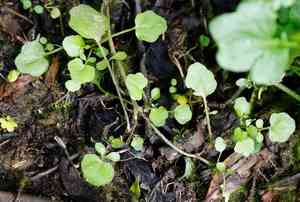
To ensure the thriving of big-flower bittercress, the ideal time for transplanting falls between the conclusion of spring's cold and the onset of summer's heat. Choose a spot that receives moderate to ample sunlight and possesses damp, adequately draining earth. Carefully acclimate big-flower bittercress to lessen any stress.
What Preparations are Needed Before Transplanting Big-flower Bittercress?
What is the Ideal Time for Transplanting Big-flower Bittercress?
Move big-flower bittercress once the danger of frost has passed, during the period of warm, lengthening daysâtypically from mid-spring to early summer. This timeframe provides big-flower bittercress with an excellent beginning, as the ground is sufficiently warm to promote root development, yet cool evenings prevent stress on young plants. The mild weather of this season ensures better root establishment and nutrient uptake, encouraging strong growth that promises abundant blooms in its annual or biennial cycle. Embrace this optimal transplanting period to see big-flower bittercress achieve its full potential!
How Much Space Should You Leave Between Big-flower Bittercress Plants?
When relocating your big-flower bittercress, aim to provide them with adequate room to flourish. Position them approximately 6-8 inches (15-20 cm) apart. This spacing allows their roots to expand and leaves to access sunlight without overcrowding neighboring plants!
What is the Best Soil Mix for Big-flower Bittercress Transplanting?
Your big-flower bittercress will thrive in soil that drains well and is rich in organic material. Before moving them, incorporate compost or a balanced, slow-release fertilizer to give your plants a nutritious head start. This aids in developing strong roots and encourages vigorous growth!
Where Should You Relocate Your Big-flower Bittercress?
Select a location for your big-flower bittercress where they can enjoy ample sunlight! They prefer a spot that receives plenty of light. An area that gets full to partial sun, meaning at least 4-6 hours of direct sunlight daily, is perfect for these lively plants.
What Equipments Should You Prepare Before Transplantation Big-flower Bittercress?
Gardening Gloves
To safeguard your hands while handling soil and big-flower bittercress.
Garden Trowel
A small hand tool utilized for digging minor holes and transferring big-flower bittercress from its initial spot.
Watering Can
For pre-moistening the soil before extracting big-flower bittercress and for hydrating the plant after relocation.
Garden Spade or Shovel
Needed to dig around big-flower bittercress's root ball and to create its new planting site.
Garden Fork
Helps to loosen the soil surrounding big-flower bittercress if it's being removed from the ground or a large container.
Pruning Shears
To trim any damaged roots or foliage prior to transplanting.
Wheelbarrow or Garden Cart
To move big-flower bittercress and soil if necessary.
Mulch
To assist in retaining soil moisture and reducing weed growth around big-flower bittercress after transplant.
How Do You Remove Big-flower Bittercress from the Soil?
How Do You Remove Big-flower Bittercress from the Soil?
From Ground: Start by watering big-flower bittercress to make the soil easier to manage. Carefully dig a wide circle around the plant with a garden spade or shovel, aiming to keep the entire root ball intact. Use a garden fork if needed to loosen the soil. Gently slide the shovel under the root ball, lifting big-flower bittercress with care to prevent root damage.From Pot: Hydrate the soil in the pot beforehand. Turn the pot on its side and gently tap the sides and bottom to loosen the root ball. Place one hand over the soil surface while inverting the pot and carefully pull the pot away from big-flower bittercress. If the plant doesn't budge, lightly run a gardening tool along the inner edge of the pot to aid separation.From Seedling Tray: Water the seedling tray first to moisten the soil. Use a garden trowel or a spoon to scoop out each big-flower bittercress seedling while holding the base of the stem. Try to minimize disturbance to the roots and surrounding soil. Lift the seedling out, ensuring a good amount of soil remains attached to the roots.
Step-by-Step Guide for Transplanting Big-flower Bittercress
Digging The Hole
Excavate a hole where you plan to plant big-flower bittercress that is twice the width of the root ball and equal in depth. This ensures proper soil-to-root contact and provides ample room for root expansion.
Preparing The Plant
Before placing big-flower bittercress into the hole, ensure any circling roots are gently untangled, and trim away any broken or excessively long roots with pruning shears.
Placement
Position big-flower bittercress in the center of the prepared hole at the same depth it was growing in its original location. Confirm that the plant is upright and the top of the root ball is level with the surrounding soil.
Backfilling
Refill the hole with the soil that was initially removed; do so gently but firmly to eliminate any air pockets. Avoid compacting the soil too much as this can impede root growth.
Watering
Thoroughly water big-flower bittercress after planting to settle the soil around the root ball and to hydrate the plant.
Mulching
Apply a layer of mulch around the base of big-flower bittercress, keeping it a few inches away from the stem. This helps to retain moisture and regulate soil temperature.
How Do You Care For Big-flower Bittercress After Transplanting?
Monitor Moisture
Check moisture levels regularly; the soil should remain consistently moist, allowing big-flower bittercress to establish well. Overwatering or letting the soil dry out can be harmful.
Pruning
Remove any damaged or yellowing leaves to direct big-flower bittercress's energy towards developing new roots instead of repairing old foliage.
Protection
Shield big-flower bittercress from strong winds and potential pests as it adjusts to its new environment. A barrier or plant collar might be necessary if pests appear.
Support Growth
Offer support if big-flower bittercress shows signs of weakness or stress by using stakes or ties, but do so loosely to avoid damaging the stem or restricting growth.
Troubleshooting Common Issues with Big-flower Bittercress Transplantation.
When is the best time to transplant big-flower bittercress?
Choose a mild period from late spring to early summer to give big-flower bittercress the most favorable start.
What's the ideal spacing for big-flower bittercress while transplanting?
Big-flower bittercress thrives when spaced approximately 6-8 inches (15-20 cm) apart, allowing ample room for growth.
How deep should I plant big-flower bittercress seedlings during transplanting?
Plant big-flower bittercress at the same depth it was in its previous container to prevent stem rot.
Why are my transplanted big-flower bittercress wilting?
Wilting after transplanting can indicate shock. Keep the soil moist and protect big-flower bittercress from intense sun.
Should I fertilize big-flower bittercress after transplanting?
Wait 2-4 weeks before lightly fertilizing, allowing big-flower bittercress to first settle into its new location.
How much sunlight do transplanted big-flower bittercress require?
Big-flower bittercress prefers partial shade to full sun, so ensure it receives 4-6 hours of sunlight daily.
Can big-flower bittercress be transplanted on a hot day?
Transplant big-flower bittercress on a cooler day or in the early evening to reduce the risk of transplant shock.
How do I water big-flower bittercress post-transplant?
Water thoroughly immediately after transplanting and maintain consistently moist soil for healthy root establishment.
My big-flower bittercress is drooping post-transplant, what should I do?
Ensure big-flower bittercress isnât root-bound and the soil drains well. Sometimes, simply providing it time helps.
What type of soil suits big-flower bittercress best when transplanting?
Use well-draining, fertile soil enriched with organic matter to give big-flower bittercress a strong beginning.



