How to Transplant Graceful false flax?
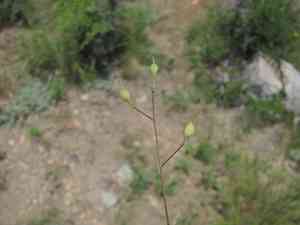
Graceful false flax flourishes when relocated in the initial phase of spring, guaranteeing peak development. Position it in a brightly lit or partially shaded area with permeable earth for superior outcomes. Exercise caution during handling to prevent damage to the root system.
Essential Preparations Before Relocating Graceful False Flax?
Optimal Timing for Transplanting Graceful False Flax?
Graceful false flax flourishes when moved in early spring. This timing allows root establishment prior to intense summer heat, promoting vigorous development. Early relocation also benefits from cool, damp conditions, reducing transplant stress and maximizing nutrient absorption for peak growth.
Required Spacing Between Graceful False Flax Plants?
For graceful false flax, ensure plants are spaced 6-12 inches (15-30 cm) apart. This provides ample room for growth without resource competition. Additional space also aids air circulation, lowering disease risk.
Best Soil Blend for Graceful False Flax Transplanting?
Prepare the soil for graceful false flax using a well-draining mix. Aim for slightly sandy or loamy soil. Incorporate a balanced, all-purpose base fertilizer to enrich the soil and support healthy growth during establishment.
Ideal Location for Your Graceful False Flax?
Graceful false flax thrives best in a spot receiving full sunlight, meaning at least 6-8 hours of direct sun daily. Selecting a sunny location will help your plants grow strong and robust.
Equipment Needed Before Transplanting Graceful False Flax?
Gardening Gloves
To safeguard your hands while handling soil and plants.
Shovel or Spade
For excavating the plant and preparing its new site.
Trowel
Useful for loosening soil around roots when removing from containers or trays.
Watering Can
For hydrating the plant before and after relocation.
Pruning Shears
To trim any damaged roots or foliage.
Wheelbarrow
Helpful for moving the plant if relocating from a distant spot.
Hose or Sprinkler
To ensure the new planting area is adequately watered.
How to Extract Graceful False Flax from the Soil?
How to Extract Graceful False Flax from the Soil?
From Ground: First, water the graceful false flax plant to moisten the soil. Then, dig a wide trench around the plant using a shovel or spade, ensuring the plant's root ball remains intact. Carefully work the spade under the root ball to lift the plant from its original location.From Pot: Water the graceful false flax plant to help loosen the soil in the pot. Gently tap the sides of the pot to help release the root ball. Turn the pot sideways and slide the plant out, supporting the root ball with your hand.From Seedling Tray: Water the seedlings to ease the removal process. Use a trowel or your fingers to gently lift the seedlings from the tray, being careful not to damage the delicate roots.
Step-by-Step Guide for Relocating Graceful False Flax
Prepare the New Site
Ensure the soil is well-prepared and moist at the transplant location. Dig a hole that is twice the width and the same depth as the plant's root ball.
Lift the Plant
Carefully lift the graceful false flax plant from its original location, supporting the root ball to avoid damaging the roots.
Place the Plant
Position the graceful false flax plant in the hole at the same depth it was growing before. Backfill with soil, pressing gently to eliminate air pockets.
Water Thoroughly
Water the plant immediately after transplanting to help settle the soil and hydrate the roots.
Mulch
Apply a layer of mulch around the base of the plant to help retain moisture and regulate soil temperature.
Post-Transplant Care for Graceful False Flax
Watering
Keep the soil around the graceful false flax consistently moist, but not soggy, for the first few weeks after transplanting to help establish strong roots.
Monitoring
Check the plant regularly for signs of stress, such as wilting or yellowing leaves, and adjust care as needed.
Weeding
Keep the area around the graceful false flax free of weeds to reduce competition for nutrients and water.
Pest Control
Watch for pests and treat as necessary to prevent damage to the newly transplanted plant.
Resolving Common Issues with Graceful False Flax Transplantation.
When is the best time to transplant graceful false flax?
Early spring is ideal for transplanting graceful false flax. Cool weather helps the plant establish roots.
What is the recommended spacing for graceful false flax?
Space graceful false flax plants 6-12 inches (15-30 cm) apart to allow for ample growth.
How deep should I plant graceful false flax seedlings?
Plant graceful false flax seedlings at the same depth they were in their original containers.
How should I prepare the soil for graceful false flax?
Loosen the soil and incorporate organic matter to improve drainage and nutrient content.
What should I do if graceful false flax wilts after transplanting?
Keep the soil consistently moist but not waterlogged to help graceful false flax recover from transplant shock.
How do I protect graceful false flax from transplant shock?
Water thoroughly and add mulch to retain moisture and temperature.
Can I fertilize graceful false flax immediately after transplanting?
Wait until graceful false flax shows new growth before applying a balanced, slow-release fertilizer.
What light conditions does graceful false flax need after transplanting?
Plant graceful false flax in a sunny location that receives at least 6 hours of direct sunlight daily.
How often should I water graceful false flax after transplanting?
Water graceful false flax consistently, ensuring the soil remains moist but not saturated.
How can I ensure graceful false flax thrives in its new location?
Monitor soil moisture, provide adequate light, and protect from pests.



