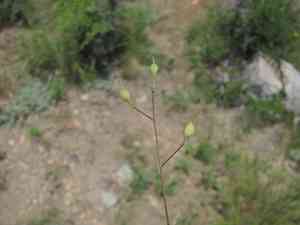
Graceful false flax (Camelina rumelica)
Also known as: Rumeli Camelina, Rumelian false flax
As a summer or winter annual plant, camelina grows to heights of 30 to 120 cm, with branching stems which become woody at maturity. The leaves are alternate on the stem, lanceolate with a length from 2 to 8 cm and a width of 2 to 10 mm. Leaves and stems may be partially hairy.
In This Article
Attributes of Graceful false flax
Lifespan
Annual
Plant Type
Herb
Plant Height
30-80 cm
Spread
Not applicable for this herbaceous plant
Leaf Color
Green
Flower Size
0.5-1 cm
Flower Color
Yellow
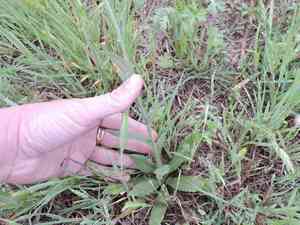
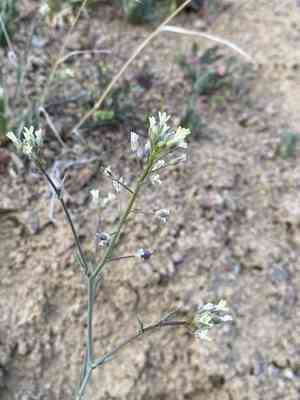
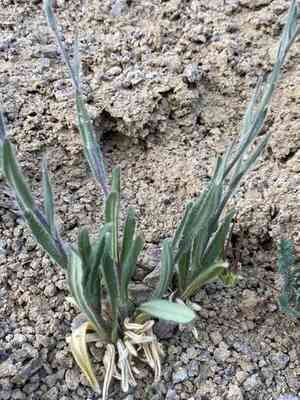
Images of Graceful false flax

Quickly Identify Graceful false flax
1
Camelina rumelica can be identified by its slender, branching stems, small yellow flowers, and narrow, elongated seed pods. The leaves are lance-shaped, with a somewhat rough texture.
Scientific Classification of Graceful false flax
Phylum
Vascular plants
Class
Dicotyledons
Order
Brassicales
Family
Cruciferae
Genus
False flaxes
Species
Graceful false flax
Planting and Growing of Graceful false flax
Care Difficulty
Moderate
Watering Schedule
Every 4 days
Sunlight Requirements
Full sun
Sunshine Duration
6-10 hours
Ideal Temperature
59-68℉
Soil Type
Potting Mix, Peat Mix
Soil pH
6.5-7.5
Fertilizer Type
Balanced
Pruning Season
Spring, Summer
Pruning Area
Branches, Leaves
Pruning Frequency
2 times a year
Repotting Season
Spring
Pot Type
Plastic, Ceramic
 How to Water Graceful false flax?
Camelina rumelica prefers to have its soil kept slightly moist but not saturated. Aim to water it until the top 2 inches of soil are damp. If the water sits on the surface, slow down and let the soil absorb it gradually.
What are the symptoms of an underwatered Graceful false flax?
›
What should I do if my Graceful false flax is not getting enough water?
›
What are the symptoms of an overwatered Graceful false flax?
›
How to save an overwatered Graceful false flax?
›
 What Are the Sunlight Requirements for Graceful false flax?
Camelina rumelica excels with full to partial sunlight, ideally receiving 6-14 hours daily. This exposure maximizes photosynthesis and supports optimal growth, enhancing its vigor and flowering potential.
How much light does Camelina rumelica need?
›
What solutions optimize its growth?
›
What are the benefits of ideal lighting?
›
 What Is the Ideal Temperature Range for Graceful false flax?
Camelina rumelica thrives best within an ideal temperature range of 59°F to 68°F. These temperatures provide optimal conditions for the plant's metabolic activities and growth. This range ensures that the plant can photosynthesize effectively, absorb nutrients efficiently, and develop healthy foliage and flowers. Maintaining this temperature range prevents stress and allows Camelina rumelica to flourish.
 What Soil is Best for Graceful false flax?
Camelina rumelica thrives in well-drained soils, as it prevents waterlogging that can lead to root rot. This type of soil allows the plant's roots to access oxygen easily, promoting healthy growth and vigor. This plant prefers soils that have a balanced composition of essential nutrients. A soil rich in nutrients supports Camelina rumelica in producing robust foliage and increases its resilience against pests and diseases. Camelina rumelica can adapt to moderately fertile soils, which provides enough nutrients for growth without overloading it. This balance ensures optimal growth without the stress of excessive nutrient intake.
 How to Fertilize Graceful false flax?
For Camelina rumelica, apply 10-15 grams of balanced granular fertilizer per square meter during the growing season. Ensure you're using a 10-10-10 NPK formula to promote balanced growth. Be cautious not to overapply, as this could lead to nutrient burn and stunt the plant's development. Proper water-soluble fertilizer should be diluted according to the manufacturer's instructions.
 How to Prune Graceful false flax?
Start by inspecting the plant for any dead or damaged stems, leaves, or branches. Use clean and sharp pruning shears to make clean cuts. Remove any weeds or competing vegetation at the base of the plant. Focus on removing dead or crossing branches to improve sunlight penetration and airflow. Make sure to leave the main stems intact to allow for continued healthy growth. Pruning helps Camelina rumelica retain a pleasing and uniform shape. Trim back any excessively long branches to match the general form of the plant. This not only enhances its appearance but also helps in maintaining structural integrity. Encourage bushier growth by cutting back the tips of branches, which will stimulate the plant to produce new shoots.
 How to Propagate Graceful false flax plant?
1
Harvest the seeds from mature plants when the seed pods have turned brown. Let them dry for several days to ensure they are fully matured and ready for planting.
2
Select a healthy branch and cut a 4-6 inch section. Strip the lower leaves and dip the cut end in rooting hormone to stimulate root growth before planting in a suitable substrate.
3
Carefully dig up the plant and divide it into smaller sections, ensuring each section has sufficient roots attached. Replant immediately to avoid drying out and water thoroughly.
 How to Repot Graceful false flax plant?
1
Look for signs such as root bound conditions where roots appear heavily crowded or emerging from drainage holes. Repotting during the growing seasons of spring or autumn is ideal, as this is when the plant’s growth rate is suitable for adapting to new conditions.
2
Opt for a pot that is only slightly larger than the current one. A well-sized pot helps prevent overwatering and allows adequate root expansion, promoting healthy growth. Clay pots are preferable as they allow better air circulation.
3
Select a soil mix that ensures well-drainage and aeration, such as sandy loam. This soil type prevents waterlogging and supports optimal root health by providing necessary nutrients while maintaining sufficient airflow around the roots.
Learn More About Graceful false flax Diseases
Anthracnose
Bacterial Leaf Spot
Bacterial Soft Rot
Bacterial Wilt
Chemical Injury
Clubroot
Crown Gall
Cyst Nematode
Damping-off
Downy Mildew
Drought Stress
Fusarium Wilt
Gray Mold
Leaf Spot
Mosaic
Nutrient Deficiency
Nutrient Toxicity
Powdery Mildew
Root Rot
Root-knot Nematode
Rusts
Sooty Mold
Spider Mites
Temperature Stress
Thrips Damage
White Mold



