How to Transplant Pale grasspink?
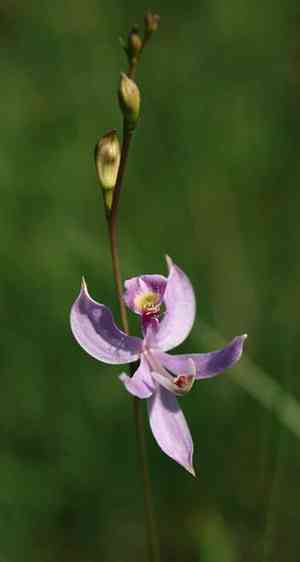
Pale grasspink flourishes optimally when relocated during the mild period of early to mid-spring or mid-fall. Select a location receiving full sun to partial shade, featuring soil that drains effectively and is somewhat acidic. Regular hydration is crucial for successful rooting.
Necessary Preparations Before Moving Pale Grasspink?
Optimal Timing for Relocating Pale Grasspink?
The best times for relocating pale grasspink are during early to mid-spring or mid-autumn. These periods offer mild temperatures and consistent moisture, reducing plant stress. Moving them then allows pale grasspink to develop robust roots before summer heat or winter cold, promoting better growth and resilience.
Recommended Spacing Between Pale Grasspink Plants?
When transplanting pale grasspink, ensure a distance of 6-12 inches (15-30 cm) between each specimen. This provides ample room for growth and prevents resource competition.
Ideal Soil Blend for Pale Grasspink Relocation?
Prepare a sandy loam soil that drains well, incorporating some organic material. Adding a balanced foundational fertilizer, such as one with equal parts nitrogen, phosphorus, and potassium, can give pale grasspink an excellent start.
Where to Replant Your Pale Grasspink?
Select a site that receives full sun to partial shade. Pale grasspink thrives best with at least 6 hours of daily sunlight, which aids in producing vibrant and healthy development.
Equipment Needed Before Transplanting Pale Grasspink?
Gardening Gloves
To safeguard your hands while handling soil and plants.
Shovel or Spade
Useful for excavating the plant and preparing a new planting site.
Trowel
Assists with smaller digging tasks and ensures precision around delicate root systems.
Garden Fork
Helps to loosen and aerate the soil surrounding the plant.
Watering Can or Hose
To maintain soil moisture during and after the relocation process.
Mulch
Helps retain soil moisture and keep the root zone cool.
How to Extract Pale Grasspink from its Current Location?
How to Extract Pale Grasspink from its Current Location?
From Ground: First, hydrate the pale grasspink plant to moisten the soil. Next, dig a wide trench around the plant using a shovel or spade, ensuring the plant's root ball remains intact. Carefully work the spade beneath the root ball to lift the plant from its original spot.From Pot: Gently water the pale grasspink plant to facilitate removal. Hold the plant's base and tilt the pot sideways, tapping the rim to loosen the soil. Carefully slide the plant out while supporting the root ball.From Seedling Tray: Lightly water the pale grasspink seedlings. Use a small trowel to lift the seedlings from the tray, taking care to keep the root system undamaged. Handle seedlings gently by their leaves rather than their stems to prevent harm.
Step-by-Step Guide for Relocating Pale Grasspink
Prepare the New Location
Ensure the new planting hole is twice as wide but the same depth as the root ball of the pale grasspink plant. Loosen the soil at the bottom of the hole.
Transplantation
Position the pale grasspink plant in the center of the hole, making sure the top of the root ball is level with the surrounding ground. Gently backfill the hole with the excavated soil, pressing lightly to eliminate air pockets.
Watering-In
Thoroughly water the pale grasspink plant after planting to settle the soil around the roots and provide moisture for the plant's root system.
Mulching
Apply a layer of mulch around the base of the pale grasspink plant, leaving a small gap near the stem to prevent rot. This helps to conserve moisture and regulate soil temperature.
Post-Transplant Care for Pale Grasspink?
Watering
Keep the soil around the pale grasspink consistently damp, but not waterlogged, for the initial weeks after transplanting to aid in establishing strong roots.
Weeding
Regularly remove unwanted plants from the vicinity of the pale grasspink to reduce competition for nutrients and water.
Monitoring
Frequently inspect the plant for indications of transplant shock, such as wilting or yellowing foliage, and adjust care as necessary.
Protection
Shield the newly relocated pale grasspink plant from harsh environmental conditions, such as intense direct sunlight or strong gusts of wind, to allow it time to adapt and establish.
Resolving Common Issues with Pale Grasspink Relocation.
When is the best time to transplant pale grasspink?
Relocate pale grasspink ideally in early to mid-spring or mid-fall for optimal outcomes.
How far apart should pale grasspink be spaced initially?
Space pale grasspink plants 6-12 inches (15-30 cm) apart to ensure healthy development.
What's the best soil for transplanting pale grasspink?
Pale grasspink thrives in well-draining, slightly acidic soil with a pH between 5.5 and 6.5.
Should I water pale grasspink immediately after transplanting?
Yes, water pale grasspink thoroughly right after relocating to help establish strong roots.
How deep should I plant pale grasspink when transplanting?
Plant pale grasspink at the same depth it was growing previously to avoid stress.
Can I transplant pale grasspink during the summer?
Transplanting pale grasspink is best avoided in summer due to potential heat stress.
What temperature should the soil be to transplant pale grasspink?
Ideal soil temperature for transplanting pale grasspink is between 50-65°F (10-18°C).
How do I prevent transplant shock in pale grasspink?
To prevent shock, handle pale grasspink gently, water well, and avoid disturbing roots too much.
Can I use fertilizer during pale grasspink's transplant?
Avoid fertilizing immediately during transplant. Wait until pale grasspink is established, usually in a few weeks.
What should I do if pale grasspink appears wilted after transplanting?
Increase watering frequency and ensure pale grasspink is not exposed to direct, harsh sunlight.



