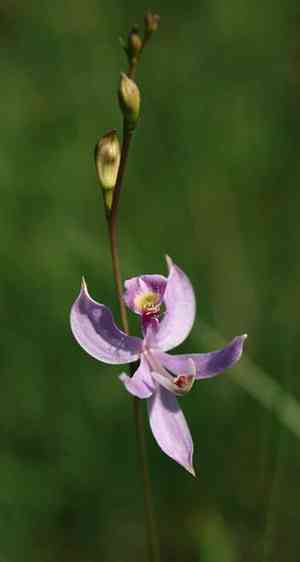
Pale grasspink (Calopogon pallidus)
Also known as: Pale Grass Pink
Calopogon pallidus, commonly known as the pale grass-pink, is an orchid species indigenous to the southeastern United States, spanning from Louisiana to Virginia.
In This Article
Attributes of Pale grasspink
Lifespan
Perennial
Plant Type
Herb
Plant Height
30-60 cm (12-24 inches)
Spread
N/A (grows as a single stem without a traditional crown)
Leaf Color
Green
Flower Size
2.5-3.5 cm (1-1.4 inches)
Flower Color
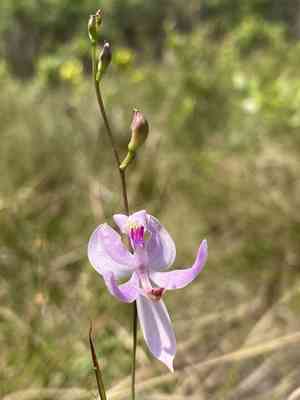
Pale pink to white
Images of Pale grasspink
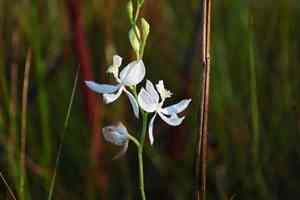
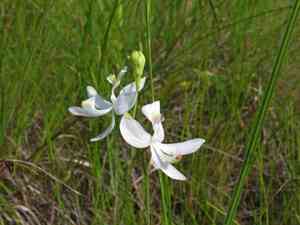
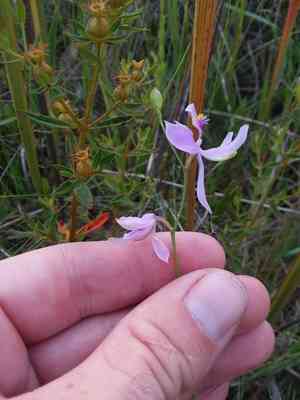
Quickly Identify Pale grasspink
1
Non-resupinate flowers in pink or white with lip on top for bee attraction.
2
Basal, grass-like leaves with smooth texture, linear veins, 10-20 inches (25-50 cm) long.
3
Upright, slender stem, 1-2 feet (30-60 cm) tall, green with slight purple base.
4
Orchid-like flowers, 1 inch (2.5 cm) diameter, white to pink, lip positioned on top.
5
Midsummer capsules with rugged texture, housing dust-like seeds, aiding seed dispersal.
Scientific Classification of Pale grasspink
Phylum
Vascular plants
Class
Monocotyledons
Order
Asparagales
Family
Orchid
Genus
Grass pink
Species
Pale grasspink
Planting and Growing of Pale grasspink
Care Difficulty
Hard
Watering Schedule
Every 2 days
Sunlight Requirements
Partial sun
Sunshine Duration
4-8 hours
Ideal Temperature
70-85℉
Soil Type
Potting Mix, Peat Mix
Soil pH
4.5-6.5
Fertilizer Type
Balanced
Pruning Season
Spring, Summer
Pruning Area
Branches, Leaves
Pruning Frequency
2 times a year
Repotting Season
Spring
Pot Type
Plastic, Ceramic
 How to Water Pale grasspink?
Calopogon pallidus, commonly known as the Pale Grass-pink, prefers its soil to be kept consistently moist, similar to the moist conditions of its natural wetland habitats. For each watering session, provide around 250 milliliters of water. The main principle is to keep the soil evenly moist but never waterlogged, ensuring water penetrates deeply into the root zone.
What are the symptoms of an underwatered Pale grasspink?
›
What should I do if my Pale grasspink is not getting enough water?
›
What are the symptoms of an overwatered Pale grasspink?
›
How to save an overwatered Pale grasspink?
›
 What Are the Sunlight Requirements for Pale grasspink?
Calopogon pallidus prospers most effectively under partial sun, with about 4 to 6 hours of direct or filtered sunlight daily. This exposure guarantees healthy photosynthesis and flowering, maximizing its growth potential and visual appeal.
How much sunlight does Calopogon pallidus need?
›
What to do if your Calopogon pallidus isn't blooming?
›
Can you provide shading options for Calopogon pallidus?
›
 What Is the Ideal Temperature Range for Pale grasspink?
The ideal temperature range for Calopogon pallidus is between 70°F to 85°F. Within this range, the plant can grow optimally, thrive and maintain its unique characteristics, such as vibrant blooms and robust foliage.
 What Soil is Best for Pale grasspink?
Calopogon pallidus thrives in well-drained soils, allowing excess water to escape quickly. This prevents root rot and promotes healthy root development, ensuring robust growth and blooming. The orchid benefits from soil rich in organic matter, which provides essential nutrients and maintains moisture. This results in lush foliage and vibrant flowers, enhancing the plant's overall vitality. A slightly acidic environment is ideal for Calopogon pallidus, enhancing nutrient availability and uptake. This acidity support is crucial for the orchid's metabolic processes and overall health.
 How to Fertilize Pale grasspink?
For Calopogon pallidus, it's essential to be cautious with fertilizer concentrations. A diluted liquid fertilizer with a ratio of 1:4 (fertilizer to water) is recommended. If using a slow-release formula, use approximately 1 tablespoon per plant, ensuring even distribution.
 How to Prune Pale grasspink?
Before pruning Calopogon pallidus, make sure to clean your pruning tools thoroughly with alcohol to prevent the spread of diseases. Select a clear, dry day to prune, avoiding wet conditions that can invite fungal infections. Begin by gently examining the plant and identifying any dead or wilting stems. Use sharp, sterilized scissors to cut these stems back to the base. Focus on maintaining an even shape to promote balanced growth and optimum exposure to sunlight.
More About Pruning Techniques→
 How to Propagate Pale grasspink plant?
1
Start by soaking Calopogon pallidus seeds in water for 24 hours to soften the seed coat, crucial for enhancing germination rates and ensuring quicker seedling emergence.
2
Use a well-draining soil mix that mimics the plant’s natural habitat. Incorporate organic matter to improve aeration and moisture retention, providing a supportive medium for young seedlings.
3
Place seeds on the surface of the soil, pressing gently to ensure contact but do not bury. For division, separate the root clumps gently and replant in fresh, moist soil during early spring or summer.
 How to Repot Pale grasspink plant?
1
Calopogon pallidus shows signs of needing repotting when you notice roots growing out of the drainage holes, or the plant becomes top-heavy and wobbly. Spring is the best time to repot as the plant is emerging from its dormant phase and beginning its active growth cycle.
2
Choose a pot that is just one size larger than the current one. It should have adequate drainage holes to avoid waterlogging, which can cause root rot. A slightly snug-fitting pot helps the plant hydrate efficiently and supports root establishment.
3
Select a well-draining orchid mix containing fine bark, perlite, and peat moss. This mix mimics the plant's natural habitat and provides essential aeration, nutrient retention, and moisture which is crucial for healthy growth.
Learn More About Pale grasspink Diseases
Anthracnose
Bacterial Leaf Spot
Bacterial Soft Rot
Bacterial Wilt
Crown Gall
Cyst Nematode
Damping-off
Downy Mildew
Drought Stress
Fusarium Wilt
Gray Mold
Leaf Spot
Mosaic
Nutrient Deficiency
Nutrient Toxicity
Powdery Mildew
Root Rot
Root-knot Nematode
Rusts
Sooty Mold
Spider Mites
Temperature Stress
Thrips Damage
White Mold



