How to Transplant Yellow star-tulip?
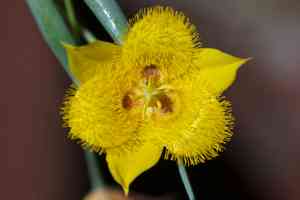
Yellow star-tulip flourishes when relocated in the initial to middle spring season, as this prime window guarantees successful rooting. Select a bright spot with soil that drains effectively. Refrain from over-manipulating the root system to avert harm.
What Preparations are Needed Before Transplanting Yellow Star-tulip?
What is the Ideal Time for Transplanting Yellow Star-tulip?
The best times for relocating yellow star-tulip are during early to mid-spring. Moving them then allows the perennial to establish roots before summer heat, encouraging strong development. These cooler temperatures and higher soil moisture levels also lessen transplant shock, ensuring the plant adapts well and thrives in coming seasons.
How Much Space Should You Leave Between Yellow Star-tulip Plants?
When getting ready to transplant yellow star-tulip, ensure each plant is spaced 4-6 inches (10-15 cm) apart. This provides ample room for growth and prevents competition for nutrients or sunlight.
What is the Best Soil Mix for Yellow Star-tulip Transplanting?
For yellow star-tulip, select soil that drains well, with a sandy or loamy consistency. Incorporate a balanced base fertilizer, such as 10-10-10, to provide nutrients to the roots and support healthy development.
Where Should You Relocate Your Yellow Star-tulip?
Position yellow star-tulip in an area that gets at least 6 hours of direct sunlight daily. This will help the plants produce vibrant flowers and grow vigorously.
What Equipments Should You Prepare Before Transplantation Yellow Star-tulip?
Gardening Gloves
To safeguard your hands while handling soil and plants.
Shovel or Spade
For digging around the plant and creating a new planting site.
Trowel
To assist in lifting the plant and adjusting soil in its new spot.
Garden Fork
Useful for loosening soil around the roots if necessary.
Watering Can or Hose
To hydrate the plant before and after its relocation.
Mulch
To help retain moisture and regulate soil temperature post-transplanting.
Wheelbarrow (optional)
To move the plant if relocating it over a distance.
How Do You Remove Yellow Star-tulip from the Soil?
How Do You Remove Yellow Star-tulip from the Soil?
From Ground: First, water the yellow star-tulip plant to moisten the soil. Then, dig a wide trench around the plant using a shovel or spade, making sure the plant's root ball stays intact. Carefully work the spade beneath the root ball to lift the plant from its original spot.From Pot: Water the yellow star-tulip plant thoroughly. Gently tap the pot's sides and bottom to loosen the soil. Turn the pot on its side and carefully slide the plant out, supporting the root ball as you do so.From Seedling Tray: Water the yellow star-tulip seedlings to dampen the soil. Use a trowel or your fingers to gently lift each seedling, being careful to keep the roots intact. Handle the seedlings by their leaves to avoid damaging the stems.
Step-by-Step Guide for Transplanting Yellow Star-tulip
Prepare New Site
Prepare the new planting spot by digging a hole twice as wide and the same depth as the plant's root ball.
Enhance Soil
Place some well-draining soil mixture at the bottom of the hole to help the plant establish in its new environment.
Position the Plant
Place the yellow star-tulip in the hole, ensuring the top of the root ball is level with the ground surface.
Fill the Hole
Backfill the hole with soil, gently firming it around the roots to remove air pockets.
Water Thoroughly
Water the plant thoroughly immediately after planting to help the soil settle around the roots.
Apply Mulch
Apply a layer of mulch around the plant to conserve moisture and regulate soil temperature.
How Do You Care For Yellow Star-tulip After Transplanting?
Watering
Keep the soil around the yellow star-tulip consistently moist, but not waterlogged, for the initial weeks after transplanting to aid in developing strong roots.
Protection
Shield the transplanted yellow star-tulip from strong winds and harsh weather conditions initially by providing temporary cover or supports if needed.
Monitoring
Regularly check for signs of distress, such as wilting or yellowing foliage, and adjust care as necessary.
Weeding
Keep the area around the yellow star-tulip free of weeds to reduce competition for nutrients and water.
Troubleshooting Common Issues with Yellow Star-tulip Transplantation.
When is the best time to transplant yellow star-tulip?
Early to mid-spring is the ideal period for transplanting yellow star-tulip for optimal outcomes.
How far apart should I space yellow star-tulip plants?
Plant yellow star-tulip bulbs 4-6 inches (10-15 cm) apart to allow adequate room for growth.
How deep should I plant yellow star-tulip bulbs?
Plant yellow star-tulip bulbs approximately 2-3 inches (5-7.5 cm) deep in well-draining soil.
What type of soil is best for yellow star-tulip?
Yellow star-tulip thrives in well-draining soil with good fertility, ideally sandy or loamy textures.
How much sunlight does yellow star-tulip need after transplanting?
Ensure yellow star-tulip receives full sun to partial shade for optimal growth after transplanting.
Should I water yellow star-tulip immediately after transplanting?
Yes, water yellow star-tulip thoroughly after transplanting to help settle the soil and minimize transplant shock.
What if the leaves turn yellow after transplanting yellow star-tulip?
Yellowing leaves may indicate overwatering or poor drainage. Adjust irrigation and improve soil conditions.
How can I prevent transplant shock in yellow star-tulip?
Water yellow star-tulip well before and after transplanting, and try to minimize root disturbance.
What if yellow star-tulip isn't blooming after transplanting?
Lack of blooms can be due to insufficient sunlight or poor soil nutrients. Check both conditions.
Can I use fertilizer when transplanting yellow star-tulip?
A light application of a balanced fertilizer can help support yellow star-tulip's growth right after transplanting.



