How to Transplant Sagebrush mariposa lily?
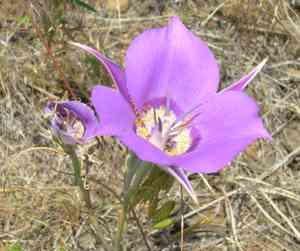
Relocating sagebrush mariposa lily flourishes when performed from early spring until late spring, utilizing moderate temperatures for root development. Choose a sunny, adequately draining location, gradually acclimating sagebrush mariposa lily to its new environment for peak prosperity.
What Preparations are Needed Before Transplanting Sagebrush Mariposa Lily?
What is the Ideal Time for Transplanting Sagebrush Mariposa Lily?
The optimal period for moving sagebrush mariposa lily spans from early spring's awakening to the brink of summer. This timeframe provides a mild environment conducive to root establishment, laying a strong foundation for future growth. Relocating sagebrush mariposa lily now ensures it benefits from the entire growing season, leading to a vibrant, thriving presence in your garden. Seize this opportunity for the most promising start, leveraging the warm soil and moderate temperatures, ideal for sagebrush mariposa lily's transition.
How Much Space Should You Leave Between Sagebrush Mariposa Lily Plants?
For sagebrush mariposa lily, an initial spacing of 6-8 inches (15-20 cm) is recommended to allow each plant ample room to flourish and display its beauty. Appropriate spacing helps plants access sufficient nutrients and lessens competition.
What is the Best Soil Mix for Sagebrush Mariposa Lily Transplanting?
Prepare a well-draining soil mixture for sagebrush mariposa lily, incorporating a small amount of low-nitrogen, slow-release fertilizer to encourage robust development. Loamy soil with good organic content is excellent for these perennial plants.
Where Should You Relocate Your Sagebrush Mariposa Lily?
Select a sunny location for sagebrush mariposa lily, where they will receive at least 6 hours of direct sunlight daily. In very hot climates, a spot with afternoon shade will help shield the plant from intense heat.
What Equipments Should You Prepare Before Transplantation Sagebrush Mariposa Lily?
Gardening Gloves
To safeguard your hands while handling soil and plants.
Spade or Shovel
For excavating the plant and its new planting site.
Garden Fork
To loosen the soil around the root ball without causing damage to the roots.
Watering Can or Hose with a Gentle Spray Setting
To hydrate the plant before and after its relocation.
Wheelbarrow or Plant Dolly
To move the plant if it is large or heavy.
Pruning Shears
To trim any damaged roots or foliage.
How Do You Remove Sagebrush Mariposa Lily from the Soil?
How Do You Remove Sagebrush Mariposa Lily from the Soil?
From Ground: First, moisten the sagebrush mariposa lily plant to dampen the soil. Next, dig a wide trench around the plant using a spade or garden fork, ensuring sufficient distance to avoid harming the root ball. Carefully work the tool beneath the root ball to lift the plant from its original spot.From Pot: Water the sagebrush mariposa lily thoroughly to ensure the soil is damp, facilitating easier removal. Turn the pot on its side, hold the plant's base, tap the bottom, and gently ease the plant out. Handle the root ball with care to prevent damage.From Seedling Tray: Moisten the soil in the tray to simplify the extraction of the sagebrush mariposa lily seedling. Use a dibber or a small tool to gently lift the seedling from its compartment without harming the root system.
Step-by-Step Guide for Transplanting Sagebrush Mariposa Lily
Digging The Hole
Excavate a hole that is twice as wide and as deep as the sagebrush mariposa lily's root ball. This allows the roots to spread easily.
Removing The Plant
Follow the appropriate guide from the 'Removal Process' section based on the sagebrush mariposa lily's current location.
Root Inspection
Once the sagebrush mariposa lily is removed, examine the root ball for any indications of disease or damage. Use pruning shears to remove any broken or dead roots.
Placing The Plant
Position the sagebrush mariposa lily in the center of the hole at the same depth it was previously growing. Spread the roots outwards within the hole.
Refilling The Hole
Carefully backfill the hole with the excavated soil, gently tamping it down to ensure no air pockets remain around the roots.
Watering
After planting, thoroughly water the sagebrush mariposa lily to settle the soil and hydrate the roots. Water steadily to allow absorption, preventing runoff.
How Do You Care For Sagebrush Mariposa Lily After Transplanting?
Immediate Watering
Ensure ample watering immediately after transplanting to aid the sagebrush mariposa lily in recovering from any transplant shock.
Mulching
Apply a layer of organic mulch around the base of the sagebrush mariposa lily to help retain moisture and regulate soil temperature.
Regular Monitoring
Keep a close watch on the sagebrush mariposa lily for signs of stress, such as wilting or discolored leaves, and address any issues promptly.
Support Structures
If the sagebrush mariposa lily is tall or top-heavy, staking might be necessary. Insert stakes carefully to avoid damaging the root system and loosely tie the plant to the stake for support.
Troubleshooting Common Issues with Sagebrush Mariposa Lily Transplantation.
Why is my sagebrush mariposa lily not thriving after transplanting?
Ensure you're transplanting during the optimal season, from early to late spring, and providing ample space (6-8 inches or 15-20 cm apart).
How deep should I plant sagebrush mariposa lily bulbs?
Plant sagebrush mariposa lily bulbs approximately twice their height in depth, typically 3-4 inches (7.5-10 cm).
What type of soil is best for sagebrush mariposa lily?
Utilize well-draining soil with a blend of organic material to nourish sagebrush mariposa lily post-transplant.
How much sunlight does transplanted sagebrush mariposa lily need?
Select a sunny location as sagebrush mariposa lily thrives with full sun exposure after transplanting.
Can I transplant sagebrush mariposa lily in containers?
Absolutely, ensure the container is sufficiently spacious with adequate drainage holes.
What should I do if sagebrush mariposa lily leaves turn yellow after transplanting?
Yellowing may indicate overwatering. Allow the soil to dry between waterings and verify proper drainage.
How often should I water sagebrush mariposa lily after transplanting?
Water sagebrush mariposa lily deeply after transplanting, then reduce frequency, letting the soil dry out between waterings.
Why are my sagebrush mariposa lily flowers wilting post-transplant?
Wilting could be due to root shock. Minimize stress with consistent watering and avoiding disturbance.
How can I protect transplanted sagebrush mariposa lily from frost?
Transplanting during the ideal period minimizes frost risk. For unexpected cold, use frost cloths overnight.
Can I fertilize sagebrush mariposa lily after transplanting?
Wait a few weeks post-transplant before gentle fertilization to prevent root burn.



