The Sagebrush mariposa lily Plant Advantage: Maximizing Home and Office Appeal and Wellness
1
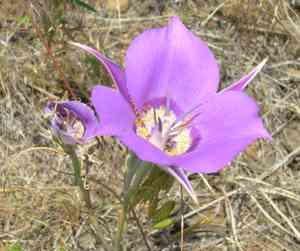
The Sagebrush mariposa lily flowers from the end of spring into the beginning of summer.
2
This flora is recognized for its environmental advantages, especially for beneficial insects.
3
Native communities have utilized Sagebrush mariposa lily for diverse applications, such as sustenance.
What is Sagebrush mariposa lily?
Brief Overview
Sagebrush mariposa lily is a perennial herbaceous plant from the lily family. Renowned for its striking blossoms, it typically flowers from late spring to early summer and is found in areas with sagebrush. This plant has gained recognition not only for its visual appeal but also for its numerous advantages.
Historical Context
Indigenous communities have long recognized the worth of Sagebrush mariposa lily, using it for various purposes, including sustenance. Its ability to flourish in dry conditions made it a dependable plant for those in challenging environments. Historical records indicate that parts of Sagebrush mariposa lily were consumed raw or cooked, showcasing its adaptability.
Why Should You Care About Sagebrush mariposa lily?
Ecological Contributions
Sagebrush mariposa lily plays a vital role in local ecosystems. It is especially beneficial for pollinators like bees and butterflies, which are essential for maintaining biodiversity. As these insects visit the flowers for nectar, they assist in the plantâs reproduction and the overall health of the ecosystem.
Aesthetic and Landscaping Appeal
Given its vibrant flowers and resilient nature, Sagebrush mariposa lily is a popular choice for natural landscaping. It adds a burst of color to gardens and aids in creating environmentally sustainable spaces. Gardening enthusiasts appreciate its minimal upkeep and its capacity to attract pollinators.
How is Sagebrush mariposa lily Utilized by Indigenous Cultures?
Culinary Uses
One of the most notable uses of Sagebrush mariposa lily by indigenous cultures is in the realm of food. The plant's bulbs were traditionally harvested and could be consumed raw or cooked. This made Sagebrush mariposa lily an essential part of the diet in regions where it grew abundantly, offering a reliable food source during difficult growing seasons.
Other Practical Uses
Beyond its culinary applications, Sagebrush mariposa lily had various other uses. Made into a type of flour or used as a flavoring, the plant demonstrated its versatility. Additionally, it served ceremonial purposes, emphasizing its cultural significance.
What Are the Growing Conditions for Sagebrush mariposa lily?
Ideal Environment
Sagebrush mariposa lily thrives in well-drained, sandy soils often found in arid or semi-arid regions. It requires full sunlight to flourish and is well-adapted to withstand dry conditions. These factors make it an excellent choice for xeriscaping and drought-resistant gardening practices.
Propagation Techniques
Propagation of Sagebrush mariposa lily can be done through seeds or bulbs. For gardeners looking to cultivate this plant, it is crucial to mimic its natural habitat's conditions to ensure successful growth. Typically, planting should be done in the fall to give the bulbs a chance to establish roots before blooming in late spring.
What Are the Main Benefits of Sagebrush mariposa lily?
Environmental Impact
Aside from its aesthetic value, Sagebrush mariposa lily contributes significantly to the environment. It helps prevent soil erosion, supports pollinators, and enhances local biodiversity. These ecological benefits make it a valuable addition to any conservation effort.
Human Uses and Applicability
While aesthetically pleasing, Sagebrush mariposa lily also has practical applications for human use. Its bulbs have historical significance as a food source and add to culinary diversity. Moreover, its low-maintenance nature makes it an ideal plant for those interested in sustainable gardening.



