How to Transplant White ballmustard?
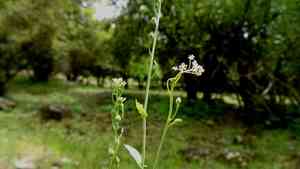
For white ballmustard, the ideal period for transplanting is at the onset of vigorous development, from late spring through early summer. Select a location bathed in sunlight with soil that drains effectively to facilitate a smooth adjustment for this resilient annual/biennial.
What Preparations are Needed Before Transplanting White Ballmustard?
What is the Ideal Time for Transplanting White Ballmustard?
The optimal period to relocate white ballmustard is during the mild conditions of late spring leading into early summer. This timeframe offers an excellent combination of moderate temperatures and consistent daylight, both vital for the successful establishment of white ballmustard. Choosing this season allows the plant to benefit from the upcoming full growth cycle, laying a strong foundation for its annual bloom or biennial development. Additionally, the soil is typically warm and easy to work with, promoting better root growth. A helpful tip: gradually acclimating white ballmustard to outdoor environments will ensure a smooth transition and abundant growth!
How Much Space Should You Leave Between White Ballmustard Plants?
When getting ready to move your young white ballmustard, ensure they have ample room to flourish! Aim to space them approximately 4-6 inches (10-15 cm) apart. This provides each plant sufficient space to develop robustly and healthily.
What is the Best Soil Mix for White Ballmustard Transplanting?
Before your white ballmustard settles into its new home, prepare your soil by aiming for a loamy, well-draining type. Incorporate a balanced, slow-release fertilizer to give your white ballmustard a nourishing start. Think of it as preparing a comfortable bed for a good night's rest!
Where Should You Relocate Your White Ballmustard?
Select a sunny location where your white ballmustard can receive at least 6 hours of direct sunlight daily. Much like us enjoying a sunny spot by a window, they will thrive on the light and reward you with vigorous growth.
What Equipments Should You Prepare Before Transplantation White Ballmustard?
Gardening Gloves
To safeguard your hands while handling soil and plants.
Spade or Shovel
For digging and carefully lifting the root ball from the ground.
Garden Trowel
For smaller digging tasks and refining the planting hole.
Watering Can or Hose with a Gentle Spray Attachment
To hydrate the plant before and after its relocation.
Pruning Shears
To trim any damaged roots or foliage.
Measuring Tape
To ensure correct spacing between newly transplanted plants.
Wheelbarrow or Garden Cart
For moving the plant and soil, if necessary.
How Do You Remove White Ballmustard from the Soil?
How Do You Remove White Ballmustard from the Soil?
From Ground: First, moisten the white ballmustard's soil. Carefully dig a wide circle around the plant with a shovel or spade, taking care not to disturb the root ball. Work the shovel beneath the root ball to gently lift the plant from its spot.From Pot: Water the white ballmustard and allow it to absorb moisture. Grasp the plant's base, tilt the pot sideways, and carefully slide the plant out. Support the root ball to prevent it from breaking apart.From Seedling Tray: Water the seedling tray to soften the soil. Use a garden trowel or your fingers to gently separate individual white ballmustard seedlings, being careful to preserve their root structure.
Step-by-Step Guide for Transplanting White Ballmustard
Preparation
Thoroughly water the white ballmustard one day prior to transplanting to ensure its roots are well-hydrated.
Removal
Depending on the white ballmustard's original location, follow the appropriate removal method described earlier to extract the plant with minimal root disturbance.
Hole Digging
Excavate a hole where you intend to transplant the white ballmustard, making it twice as wide and equally as deep as the plant's root ball.
Placement
Position the white ballmustard in the center of the hole. Adjust the depth so the plant sits at the same level it was growing previously.
Refilling
Gently backfill the hole with soil, being careful to avoid leaving air pockets around the roots.
Watering
Generously water the white ballmustard immediately after transplanting to help settle the roots.
Stabilization
If the plant is tall or top-heavy, provide support using stakes or trellises.
How Do You Care For White Ballmustard After Transplanting?
Regular Watering
Water the white ballmustard to maintain consistently moist soil for the initial few weeks following transplanting.
Mulching
Apply a layer of mulch around the plant's base to help retain soil moisture and suppress weed growth.
Monitoring
Observe the white ballmustard for indications of transplant shock, such as wilting or discolored leaves, and take appropriate action if necessary.
Protection
Utilize barriers or covers to shield the newly transplanted white ballmustard from pests and harsh weather conditions if needed.
Gradual Hardening
If the white ballmustard was initially grown indoors, gradually accustom it to outdoor conditions over approximately a week to prevent shock.
Troubleshooting Common Issues with White Ballmustard Transplantation.
How do I know when is the best time to transplant white ballmustard?
Relocate white ballmustard during the season of rejuvenationâ”the ideal window is between late spring and early summer.
What spacing is optimum for white ballmustard to flourish after transplanting?
Allow white ballmustard ample room to grow by spacing them approximately 4-6 inches (10-15 cm) apart.
Why is my white ballmustard wilting after transplanting?
Wilting may be due to transplant shock. Ensure the soil is moist and shield white ballmustard from intense sunlight for a few days.
How deep should I plant white ballmustard's roots in the soil?
Plant roots just beneath the surface, deep enough to support the plant. Planting too deep can hinder growth.
Can I transplant white ballmustard during the hotter months?
It's best to avoid hotter periods as white ballmustard thrives with cool soil and gentle sun.
My white ballmustardâs leaves are turning yellow after transplanting, why?
Yellow leaves might indicate over-watering or a nutrient deficiency. Adjust watering and consider a balanced fertilizer.
How often should I water white ballmustard after transplanting?
Water white ballmustard regularly to keep the soil moist until it's established, then adjust to natural rainfall.
What type of soil is best when transplanting white ballmustard?
A well-draining soil rich in organic matter provides the ideal environment for white ballmustard's roots.
Should I fertilize white ballmustard right after transplanting?
Refrain from fertilizing immediately. Allow white ballmustard to acclimate for a few weeks, then apply a mild fertilizer.
Is it necessary to prune white ballmustard after transplanting?
Pruning is not required after transplanting. Focus on proper watering and spacing for robust growth.



