How to Transplant Cacaliopsis nardosmia?
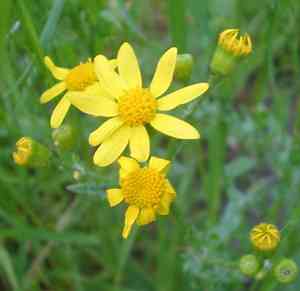
Cacaliopsis nardosmia flourishes optimally when relocated in the milder period of early to mid-spring, enabling the perennial to develop its root system prior to the primary growth phase. Choose a site with good drainage and ample sunlight to guarantee robust development after transplantation.
What Preparations are Needed Before Transplanting Cacaliopsis Nardosmia?
What is the Ideal Time for Transplanting Cacaliopsis Nardosmia?
The best period for relocating cacaliopsis nardosmia is from mid to late spring. This timeframe provides suitable soil warmth and moisture levels, which encourage root establishment and development. Moving cacaliopsis nardosmia during this season improves its adaptation and increases its chances of flourishing in its new spot, ensuring a healthier and more robust plant throughout the growing cycle.
How Much Space Should You Leave Between Cacaliopsis Nardosmia Plants?
To allow cacaliopsis nardosmia ample room to flourish, ensure each plant is spaced 18-24 inches (45-60 cm) apart. This spacing guarantees sufficient area for root expansion and prevents overcrowding.
What is the Best Soil Mix for Cacaliopsis Nardosmia Transplanting?
Prepare soil that drains well, either sandy or loamy, for cacaliopsis nardosmia. Enhance the soil with a balanced, slow-release fertilizer prior to transplanting. Incorporate some compost to supply extra nutrients and improve soil structure.
Where Should You Relocate Your Cacaliopsis Nardosmia?
Select a site that receives full sun or partial shade for transplanting cacaliopsis nardosmia. Ideally, the location should get at least 6 hours of sunlight daily to ensure vigorous growth.
What Equipments Should You Prepare Before Transplantation Cacaliopsis Nardosmia?
Gardening Gloves
To safeguard your hands while handling soil and plants.
Shovel or Spade
For digging a hole and trench for the relocation.
Hand Trowel
Useful for more precise digging and loosening the earth.
Watering Can or Hose
To hydrate the plant before and after its move.
Compost or Mulch
To enrich the ground and maintain its moisture.
How Do You Remove Cacaliopsis Nardosmia from the Soil?
How Do You Remove Cacaliopsis Nardosmia from the Soil?
From Ground: First, water the cacaliopsis nardosmia plant to moisten the soil. Then, dig a wide trench around the plant using a shovel or spade, ensuring the plant's root ball remains intact. Carefully work the spade under the root ball to lift the plant from its original location.From Pot: Begin by watering the cacaliopsis nardosmia plant thoroughly. Gently tip the pot on its side and tap the bottom to loosen the soil. Carefully slide the plant out, ensuring the root ball stays intact.From Seedling Tray: Water the cacaliopsis nardosmia seedlings before removing them. Use a hand trowel to carefully lift each seedling from the tray, making sure to support the root ball.
Step-by-Step Guide for Transplanting Cacaliopsis Nardosmia
Prepare the New Site
Ready the transplant site by digging a hole that is twice the width and the same depth as the plant's root ball.
Remove the Plant
Follow the removal instructions specific to the plant's current setting: ground, container, or seedling tray.
Plant Placement
Position the cacaliopsis nardosmia plant into the hole, ensuring it sits at the same depth as it was in its prior spot. Gently spread out the roots if they are clustered.
Backfill and Firm
Refill the hole with the excavated soil, gently compacting it around the root ball to eliminate air pockets.
Water Thoroughly
Water the plant extensively to help the soil settle and to hydrate the roots. Ensure the water penetrates deeply into the soil.
How Do You Care For Cacaliopsis Nardosmia After Transplanting?
Watering
Keep the soil around the cacaliopsis nardosmia consistently moist, but not waterlogged, for the initial weeks post-transplant to aid in strong root development.
Mulching
Apply a layer of mulch around the base of the cacaliopsis nardosmia plant to help retain moisture and stabilize soil temperature.
Monitoring
Regularly inspect the cacaliopsis nardosmia plant for indications of transplant shock, such as wilting or yellowing leaves, and adjust care as necessary.
Troubleshooting Common Issues with Cacaliopsis Nardosmia Transplantation.
When is the best time to transplant cacaliopsis nardosmia?
The optimal time to transplant cacaliopsis nardosmia is from mid-spring to late spring.
How far apart should cacaliopsis nardosmia plants be spaced?
Space cacaliopsis nardosmia plants 18-24 inches (45-60 cm) apart for optimal growth.
What soil conditions are best for transplanting cacaliopsis nardosmia?
Use well-draining soil with moderate fertility for transplanting cacaliopsis nardosmia.
How do I prepare the hole for transplanting cacaliopsis nardosmia?
Dig a hole twice as wide and deep as the root ball of cacaliopsis nardosmia.
What steps should I take after planting cacaliopsis nardosmia?
Water thoroughly and mulch around the base to retain moisture and suppress weeds.
How do I handle cacaliopsis nardosmia roots during transplanting?
Handle roots gently and try to keep the root ball intact during transplanting.
How soon should I water cacaliopsis nardosmia after transplanting?
Water cacaliopsis nardosmia immediately after transplanting and keep the soil consistently moist for the first few weeks.
How much sunlight does cacaliopsis nardosmia need post-transplant?
Cacaliopsis nardosmia prefers full sun but can tolerate partial shade.
What should I do if cacaliopsis nardosmia appears wilted after transplanting?
Ensure consistent watering and consider temporary shading if wilting occurs after transplanting cacaliopsis nardosmia.
Can I fertilize cacaliopsis nardosmia immediately after transplanting?
Wait a few weeks after transplanting before fertilizing cacaliopsis nardosmia to avoid stressing the plant.



