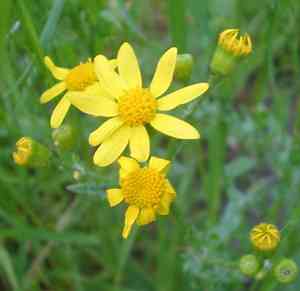
Cacaliopsis nardosmia (Cacaliopsis nardosmia)
Also known as: None
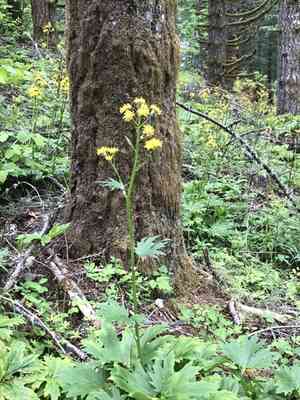
The plant features an upright stem that can grow up to 90 cm tall. Its leaves are primarily found near the base of the stem and are arranged alternately. The leaf blades are lobed with toothed segments and have a hairy or woolly texture, particularly on their undersides. These leaves can reach up to 35 cm in length and are attached to the stem by petioles that can be up to 30 cm long. The plant produces flower heads in clusters, each containing up to 50 yellow or orange disc florets, but no ray florets. The fruit is a cylindrical cypsela with prominent veins and a long pappus made up of numerous barbed, white bristles.
In This Article
Attributes of Cacaliopsis nardosmia
Lifespan
Perennial
Plant Type
Herb
Plant Height
46 cm to 1.02 m
Spread
10-20 cm
Leaf Color
Silver-green
Flower Size
1-2 cm
Flower Color
Yellow
Images of Cacaliopsis nardosmia
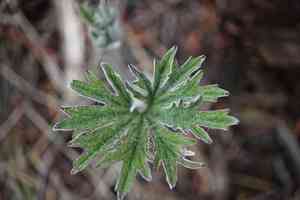
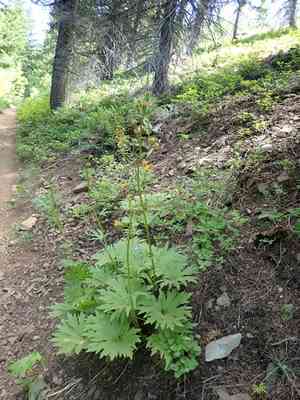
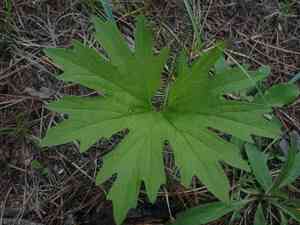
Quickly Identify Cacaliopsis nardosmia
1
Cacaliopsis nardosmia can be identified by its tall, erect stems and silver-green foliage. It has small yellow flower heads that bloom in late summer to early fall.
Scientific Classification of Cacaliopsis nardosmia
Phylum
Vascular plants
Class
Dicotyledons
Order
Asterales
Family
Daisy
Genus
Cacaliopsis
Species
Cacaliopsis nardosmia
Planting and Growing of Cacaliopsis nardosmia
Care Difficulty
Easy
Watering Schedule
Every 2 days
Sunlight Requirements
Full sun
Sunshine Duration
4-8 hours
Ideal Temperature
60-75℉
Soil Type
Potting Mix, Peat Mix
Soil pH
6.5-7.5
Fertilizer Type
Balanced
Pruning Season
Spring, Summer
Pruning Area
Branches, Leaves
Pruning Frequency
2 times a year
Repotting Season
Spring
Pot Type
Ceramic, Plastic
 How to Water Cacaliopsis nardosmia?
For Cacaliopsis nardosmia, ensure each watering session delivers around 200 milliliters to the soil. The water should penetrate deeply to reach the root zone, promoting a strong root system without causing waterlogging. It's essential to aim for even moisture distribution without causing puddles or oversaturation.
What are the symptoms of an underwatered Cacaliopsis nardosmia?
›
What should I do if my Cacaliopsis nardosmia is not getting enough water?
›
What are the symptoms of an overwatered Cacaliopsis nardosmia?
›
How to save an overwatered Cacaliopsis nardosmia?
›
 What Are the Sunlight Requirements for Cacaliopsis nardosmia?
Cacaliopsis nardosmia thrives in full to partial sun conditions. Ideal light exposure ensures vigorous growth, healthy foliage, and enhances the plant's natural beauty. Adequate sunlight improves photosynthesis, leading to robust and resilient plant health.
What is the ideal light condition for Cacaliopsis nardosmia?
›
How can I achieve the ideal light conditions?
›
What are the benefits of ideal lighting for Cacaliopsis nardosmia?
›
 What Is the Ideal Temperature Range for Cacaliopsis nardosmia?
The ideal temperature range for Cacaliopsis nardosmia lies between 60°F and 75°F. This range is optimal for its metabolic activities, growth, and overall health. The plant thrives best when these temperatures are maintained steadily, ensuring that environmental fluctuations do not disrupt its physiological processes.
 What Soil is Best for Cacaliopsis nardosmia?
This plant thrives in well-draining soil to prevent water-logging, which can lead to root rot. Good drainage ensures that the roots receive adequate oxygen, promoting healthy growth and vibrant foliage. Cacaliopsis nardosmia prefers soil with moderate fertility. Overly rich soils may encourage excessive foliage growth with fewer flowers. Balanced nutrient levels support a healthy balance of growth and flowering. The availability of essential nutrients such as nitrogen, phosphorus, and potassium is crucial for the plant's development. Ensuring these nutrients are present supports robust growth and a strong, resilient structure.
 How to Fertilize Cacaliopsis nardosmia?
Cacaliopsis nardosmia responds well to a modest amount of fertilizer. Each application should be about one tablespoon of balanced liquid fertilizer mixed with a gallon of water, ensuring not to over-fertilize and stress the plant.
 How to Prune Cacaliopsis nardosmia?
Use clean, sharp pruning shears to ensure clean cuts without damaging the plant. Disinfect tools before and after use to prevent the spread of disease. Start by removing any dead, diseased, or damaged stems. These can sap nutrients from healthy parts and make the plant susceptible to pests or disease. Trim back long, leggy stems to maintain the desired shape. Focus on cutting above leaf nodes to encourage fuller growth and prevent the plant from becoming too sparse.
More About Pruning Techniques→
 How to Propagate Cacaliopsis nardosmia plant?
1
Start by collecting mature seeds from healthy plants. Clean the seeds and let them dry before planting. Use sterile soil to fill a seed tray and sow seeds at the recommended depth. Water gently and cover with a plastic cover to maintain humidity.
2
Select a healthy, non-flowering stem and take a cutting of about 4 to 6 inches in length. Remove the lower leaves and dip the cut end in rooting hormone to promote root formation. Plant the cutting in a well-draining potting mix.
3
For division, choose a mature plant during its dormancy in spring. Gently uproot the plant, separate the root ball into smaller sections, and replant each section into pots or directly into prepared soil, ensuring the roots are well-covered.
 How to Repot Cacaliopsis nardosmia plant?
1
Observe if Cacaliopsis nardosmia shows signs of slowing growth or has a tightly bound root ball. These are clear signals that it's time to repot, ensuring the plant has more space and nutrients to thrive.
2
Choose a pot slightly larger than the current one, with adequate drainage. This prevents waterlogging and ensures that the plant's roots have space to expand, encouraging healthy growth.
3
Opt for a well-draining and nutrient-rich soil mix. This allows proper air circulation and moisture control, providing a balanced environment for your plant's roots to grow and absorb nutrients efficiently.
Learn More About Cacaliopsis nardosmia Diseases
Anthracnose
Bacterial Leaf Spot
Bacterial Soft Rot
Bacterial Wilt
Black Spot
Chemical Injury
Crown Gall
Cyst Nematode
Damping-off
Downy Mildew
Drought Stress
Fusarium Wilt
Gray Mold
Leaf Spot
Mosaic
Nutrient Deficiency
Nutrient Toxicity
Powdery Mildew
Root Rot
Root-knot Nematode
Rusts
Sooty Mold
Spider Mites
Temperature Stress
Thrips Damage
White Mold



