How to Transplant Crested wartycabbage?
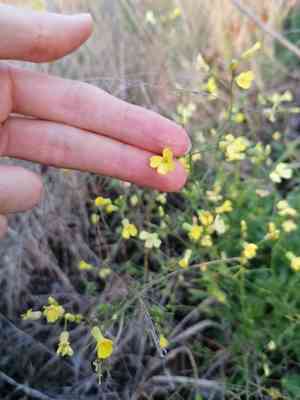
Relocate crested wartycabbage once winter's cold recedes, preferably from the onset of early spring through the flourishing period of late spring, as this encourages vigorous development. Select a bright location with soil that drains effectively to guarantee crested wartycabbage thrives.
What Preparations are Needed Before Transplanting Crested Wartycabbage?
What is the Ideal Time for Transplanting Crested Wartycabbage?
The perfect time for moving crested wartycabbage is from the start of spring's gentle warmth until the beginning of early summer. Relocating crested wartycabbage during this period allows sufficient time for roots to establish before intense heat, ensuring vigorous growth. This timing leverages the mild post-frost soil and increasing daylight, creating an ideal environment for crested wartycabbage to flourish. Undertaking this transplanting process then facilitates a smooth transition, reducing stress on crested wartycabbage and maximizing its potential for a full, healthy life cycle.
How Much Space Should You Leave Between Crested Wartycabbage Plants?
Hello, gardening enthusiast! Before placing your crested wartycabbage in their new spot, ensure they have adequate room to thrive. Aim for a comfortable spacing of 6-8 inches (15-20 cm) apart. This will guarantee each plant has enough area to develop without competing for resources.
What is the Best Soil Mix for Crested Wartycabbage Transplanting?
For your crested wartycabbage, an excellent beginning starts with the soil. Choose well-draining soil that is loamy and rich in organic material. Before planting, incorporate a balanced, slow-release fertilizer to provide your crested wartycabbage with a nourishing boost they will appreciate as they mature.
Where Should You Relocate Your Crested Wartycabbage?
Sunlight is beneficial for crested wartycabbage, so select a location where they will receive full sun for most of the day. A bright, sunny area will invigorate your crested wartycabbage and support their best performance. If possible, pick a spot that avoids the harsh afternoon sun to protect them.
What Equipments Should You Prepare Before Transplantation Crested Wartycabbage?
Gardening Gloves
To safeguard your hands while handling soil and plants.
Shovel or Spade
For digging out the plant from its original spot and creating a new planting hole.
Garden Trowel
Used for more precise digging and managing smaller plants or fragile roots.
Garden Fork
To loosen the soil around the plant's root system without causing harm.
Watering Can or Hose
For hydrating the plant before and after moving to lessen shock.
Pruning Shears
To trim any damaged roots or foliage prior to transplanting.
Wheelbarrow or Plant Dolly
To move the plant and/or soil if necessary.
Mulch
To aid in moisture retention and protect the roots post-transplant.
How Do You Remove Crested Wartycabbage from the Soil?
How Do You Remove Crested Wartycabbage from the Soil?
From Ground: First, water the crested wartycabbage plant to moisten the soil. Then, dig a wide trench around the plant using a shovel or spade, ensuring the plant's root ball stays intact. Carefully work the spade beneath the root ball to lift the plant from its initial location.From Pot: Thoroughly water the crested wartycabbage, then turn the pot on its side and gently tap it to loosen the plant. Support the stem with one hand and use the other to slide the plant out of the pot, being careful not to harm the roots.From Seedling Tray: Water the tray to keep the roots damp. Gently hold the base of the crested wartycabbage stem and use a garden trowel or a dibber to carefully lift the plant out of the cell without disturbing the roots.
Step-by-Step Guide for Transplanting Crested Wartycabbage
Preparation
Ensure all necessary tools and supports are readily available before starting the transplanting process. Put on gardening gloves and gather your shovel, garden fork, and trowel near the transplanting site.
Removing From Original Location
Based on where your crested wartycabbage originatedâground, pot, or seedling trayâfollow the appropriate removal procedure. Perform this gently to minimize root disturbance and stress to the plant.
Preparing New Location
Dig a hole in the ground where you intend to transplant your crested wartycabbage, making it twice as wide and the same depth as the root ball. Use the garden fork to loosen the soil at the bottom of the hole to encourage root penetration.
Transplanting
Carefully place the crested wartycabbage in the center of the prepared hole. Make any needed adjustments to ensure the plant sits at the same depth it was in its previous location. Begin to backfill the hole, gently firming the soil to eliminate air pockets.
Watering
Immediately water the crested wartycabbage to settle the soil around the roots and reduce transplant shock. Use a watering can or hose to provide a gentle and thorough soaking.
Stabilizing
Stake the crested wartycabbage if it is tall or unstable, using soft ties to prevent damaging the plant. Apply a layer of mulch around the base of the plant, leaving some space around the stem to prevent potential rot.
How Do You Care For Crested Wartycabbage After Transplanting?
Monitoring
Regularly check soil moisture and water the crested wartycabbage when the top inch of soil feels dry, ensuring to avoid waterlogging the area for optimal root development.
Mulching
Maintain a layer of mulch around the crested wartycabbage to help retain soil moisture and regulate soil temperature, which benefits the newly transplanted plant.
Pruning
Trim any dead or dying leaves with pruning shears to encourage new growth and allow the crested wartycabbage to focus its energy on establishing a strong root system.
Staking
If the crested wartycabbage is particularly tall or susceptible to wind damage, ensure it is securely staked and gently tied for additional support during the establishment phase.
Troubleshooting Common Issues with Crested Wartycabbage Transplantation.
What's the best time to transplant crested wartycabbage for optimal growth?
The ideal period is shortly after the last frost, from early to late spring, offering the best growing conditions for crested wartycabbage.
How far apart should I space crested wartycabbage when transplanting?
Allow 6-8 inches (15-20 cm) between plants. Proper spacing prevents overcrowding and promotes healthy growth.
Why are my transplanted crested wartycabbage wilting post-transplantation?
Wilting may occur due to transplant shock. Ensure proper watering, avoid direct sunlight initially, and gently acclimatize crested wartycabbage to its new environment.
Can crested wartycabbage be transplanted in containers?
Absolutely, crested wartycabbage thrives in containers as well. Ensure ample space for roots, and quality potting mix for best results.
What soil type does crested wartycabbage prefer when transplanting?
Crested wartycabbage enjoys well-draining soil rich in organic matter. Amend the soil with compost before transplanting for optimal growth.
How deep should I plant crested wartycabbage when transplanting?
The planting hole should be just deep enough to accommodate the root ball, promoting stable and upright growth.
Should I water crested wartycabbage immediately after transplanting?
Absolutely, give crested wartycabbage a good drink right after transplanting to help settle the soil around the roots and reduce transplant stress.
What if leaves of crested wartycabbage turn yellow after transplanting?
Yellowing leaves might indicate overwatering or poor drainage. Moderate your watering schedule and improve soil drainage to help crested wartycabbage recover.
How do I protect transplanted crested wartycabbage from pests?
Keep an eye on pests, use organic repellents if needed, and maintain healthy growth conditions to resist infestations.
Can I transplant crested wartycabbage on windy days?
Transplant crested wartycabbage on a calm day to prevent desiccation and ensure the plant's delicate roots and leaves aren't damaged.



