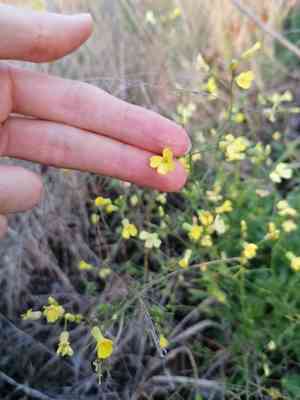
Crested wartycabbage (Bunias erucago)
Also known as: Corn rocket, Wing-fruited cabbage
The crested wartycabbage is a sun-loving herbaceous plant that can be either biennial or annual. It is often considered a weed in cultivated fields. This plant produces a unique fruit known as a symmetrical silicle, characterized by four rows of broad, thin teeth. Although primarily regarded as a weed, it is sometimes grown on a small scale.
In This Article
Attributes of Crested wartycabbage
Lifespan
Annual
Plant Type
Herb
Plant Height
15 cm to 1 m
Spread
N/A as crowns are not prominent
Leaf Color
Green
Flower Size
1 mm to 1.5 mm
Flower Color
Yellow
Images of Crested wartycabbage
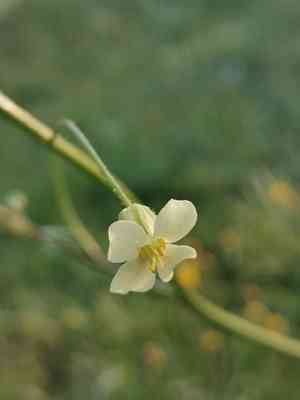
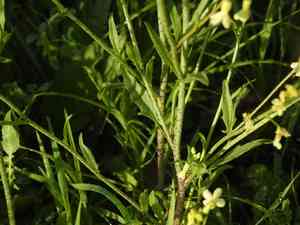
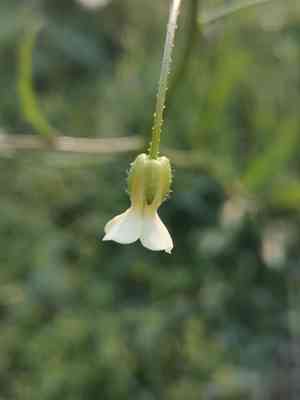
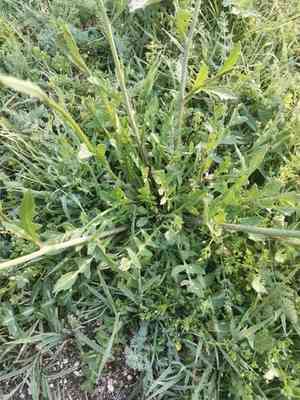
Quickly Identify Crested wartycabbage
1
Identify Bunias erucago by its warty stems, lance-shaped leaves, and bright yellow flowers that form in clusters. It often grows up to 90 cm tall and prefers dry, sandy soils.
Scientific Classification of Crested wartycabbage
Phylum
Vascular plants
Class
Dicotyledons
Order
Brassicales
Family
Cruciferae
Genus
Bunias
Species
Crested wartycabbage
Planting and Growing of Crested wartycabbage
Care Difficulty
Easy
Watering Schedule
Every 3 days
Sunlight Requirements
Full sun
Sunshine Duration
6-8 hours
Ideal Temperature
60-70℉
Soil Type
Potting Mix, Peat Mix
Soil pH
6.5-7.5
Fertilizer Type
Balanced
Pruning Season
Spring, Summer
Pruning Area
Branches, Leaves
Pruning Frequency
2 times a year
Repotting Season
Spring
Pot Type
Plastic, Ceramic
 How to Water Crested wartycabbage?
For Bunias erucago, it's important to water until the soil feels moist but not soggy. Use approximately 200 ml of water to ensure the roots receive adequate moisture without drowning. Aim to maintain an even moisture level throughout the growing season.
What are the symptoms of an underwatered Crested wartycabbage?
›
What should I do if my Crested wartycabbage is not getting enough water?
›
What are the symptoms of an overwatered Crested wartycabbage?
›
How to save an overwatered Crested wartycabbage?
›
 What Are the Sunlight Requirements for Crested wartycabbage?
Bunias erucago thrives in conditions ranging from partial to full sunlight. Ideal lighting promotes vigorous growth, strong stems, and lush foliage, enhancing both health and visual appeal of the plant.
How much sunlight is ideal for Bunias erucago?
›
How can you achieve ideal sunlight for Bunias erucago?
›
What are the benefits of giving Bunias erucago ideal sunlight?
›
 What Is the Ideal Temperature Range for Crested wartycabbage?
The ideal temperature range for the growth of Bunias erucago is between 60-70°F. This range allows the plant to complete its growth cycle efficiently. It is crucial to maintain these temperatures consistently as it supports optimal photosynthesis and nutrient uptake, leading to robust and healthy plant development.
 What Soil is Best for Crested wartycabbage?
Bunias erucago thrives in nutrient-rich soils that provide essential elements for robust growth. The presence of organic matter enhances soil fertility, supporting healthy root development and increased resistance to pests and diseases. Well-drained soil is crucial for preventing waterlogging, which can lead to root rot and other water-related stress. Adequate drainage ensures roots receive ample oxygen, maintaining the plant's vigor and facilitating nutrient absorption. While good drainage is essential, the soil should also retain enough moisture to prevent drought stress. Maintaining a balanced soil moisture level helps Bunias erucago sustain growth during dry spells without frequent watering.
 How to Fertilize Crested wartycabbage?
For Bunias erucago, the fertilizer amount should be moderate. Generally, aim for approximately half the recommended dose on the fertilizer label, as over-fertilization can damage roots. Always adjust according to the plant's growth and response to nutrients.
 How to Prune Crested wartycabbage?
Begin by identifying dead, damaged, or diseased stems and remove them with sharp, clean shears. Make your cuts at a 45-degree angle to encourage new growth and prevent water collection on the stem ends. Aim to maintain an open structure to allow sunlight and air circulation. Prune back excessively long branches to maintain shape and encourage bushier growth. Always sterilize your tools before and after to avoid disease transmission.
More About Pruning Techniques→
 How to Propagate Crested wartycabbage plant?
1
Collect seeds from mature Bunias erucago plants. Ensure the seeds are fully dried before storage. Cleaning them from plant debris is critical to prevent molding during storage.
2
Fill a seed tray with potting mix, leaving about an inch of space from the top. Ensure the potting mix is evenly spread to provide a uniform environment for the seeds.
3
Sow the seeds of Bunias erucago evenly over the surface of the potting mix. Cover them lightly with a thin layer of soil or vermiculite, as this helps maintain moisture while allowing light to reach the seeds.
 How to Repot Crested wartycabbage plant?
1
Bunias erucago will signal its need for repotting when you notice roots protruding from the drainage holes and growth becomes stunted despite proper care. The best time is in early spring or during the growing season in summer, as the plant will recover quickly and establish itself in the new soil.
2
Select a pot that is one size larger than the current container. It should have ample drainage holes to prevent waterlogging, which can rot roots. The pot material can be terracotta or clay for breathability, helping Bunias erucago roots to stay healthy by avoiding excess moisture. This breathable quality ensures proper air exchange, maintaining an optimal environment for the roots.
3
Use a well-draining sandy loam, which allows for appropriate water flow and prevents root rot. This soil mix provides a balanced texture that keeps enough moisture without drowning the roots. The inclusion of sand enhances drainage, while loam offers the necessary nutrients Bunias erucago needs for robust growth.
Learn More About Crested wartycabbage Diseases
Anthracnose
Bacterial Leaf Spot
Bacterial Soft Rot
Clubroot
Damping-off
Downy Mildew
Drought Stress
Fusarium Wilt
Gray Mold
Leaf Spot
Mosaic
Nutrient Deficiency
Nutrient Toxicity
Powdery Mildew
Root Rot
Root-knot Nematode
Rusts
Sooty Mold
Spider Mites
Temperature Stress
Thrips Damage
White Mold
Chemical Injury



