How to Transplant American buckwheat vine?
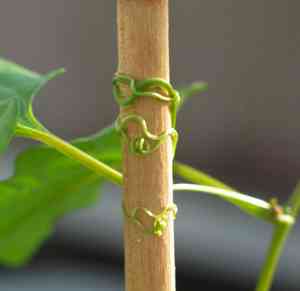
For american buckwheat vine, the ideal period for transplanting extends from early spring's onset through the beginning of summer, facilitating vigorous development. Select a location offering abundant light and soil that drains effectively. Careful manipulation throughout the procedure enhances successful integration.
What Preparations are Needed Before Transplanting American Buckwheat Vine?
What is the Ideal Time for Transplanting American Buckwheat Vine?
The best time to move american buckwheat vine is from late winter's end through the peak of spring. This period offers a gentle transition, allowing american buckwheat vine to settle and develop strong roots. Transplanting then lets american buckwheat vine benefit from moist soil and cooler temperatures, minimizing shock and encouraging robust initial growth. Follow this advice for a thriving american buckwheat vine in its new spot!
How Much Space Should You Leave Between American Buckwheat Vine Plants?
When getting ready to transplant american buckwheat vine, ensure each plant has ample room to flourish. Aim for approximately 5-6 feet (1.5-1.8 meters) between each transplanted specimen. This provides sufficient space for development, preventing competition for resources.
What is the Best Soil Mix for American Buckwheat Vine Transplanting?
For american buckwheat vine, select a well-draining soil rich in organic matter. Before transplanting, incorporate a balanced, slow-release fertilizer to give american buckwheat vine an excellent start. A suitable choice might be a 10-10-10 NPK fertilizer; follow package instructions for the correct amount.
Where Should You Relocate Your American Buckwheat Vine?
American buckwheat vine prefers a sunny location with some afternoon shade, especially in warmer climates. Choose a site that receives at least 4-6 hours of daily sunlight. This balance of sun and shade will help american buckwheat vine establish and flourish in its new environment.
What Equipments Should You Prepare Before Transplantation American Buckwheat Vine?
Shovel or Spade
To excavate the plant and prepare the new planting site.
Gardening Gloves
To safeguard your hands while handling soil and the plant.
Wheelbarrow
For moving the plant and soil.
Garden Hose or Watering Can
To hydrate the american buckwheat vine at both its original and new locations.
Pruning Shears
For trimming any damaged roots or stems.
Garden Fork
To loosen the soil around the plant's initial position.
Soil Knife
To assist in cutting through any tough roots if necessary.
Mulch
To apply around the plant's base after transplanting.
Tarp or Burlap
To keep the root ball intact during relocation.
How Do You Remove American Buckwheat Vine from the Soil?
How Do You Remove American Buckwheat Vine from the Soil?
From Ground: Gently moisten the soil around the american buckwheat vine to facilitate removal. Using a shovel or spade, dig a circle around the plant, far enough out to avoid severing the root system. Pry beneath the root ball and carefully lift the plant from the ground.From Pot: Water the american buckwheat vine thoroughly. Invert the pot onto its side and gently tap or roll it to loosen the root ball. Grasp the plant's base and carefully slide it out of the pot, trying not to disturb the roots.From Seedling Tray: Water the seedlings until the soil is damp. Use a soil knife or small trowel to lift the entire soil block containing the american buckwheat vine seedling, ensuring the roots remain undamaged.
Step-by-Step Guide for Transplanting American Buckwheat Vine
Preparation
After selecting the new ground spot, confirm no underground utilities exist before digging. Prepare the new planting hole, making it twice as wide and the same depth as the american buckwheat vine's root ball.
Root Ball Care
Examine the american buckwheat vine's root ball, trimming any broken or damaged roots with pruning shears. If roots are tightly coiled, gently spread them outwards to encourage new growth.
Planting
Position the american buckwheat vine in the center of the prepared hole. Adjust its depth so it sits at the same level as before. Once placed, backfill the hole with soil, gently tamping as you go to eliminate air pockets.
Watering In
Water your newly transplanted american buckwheat vine generously immediately after planting to settle the soil and remove air gaps around the roots.
Mulching
Apply a layer of mulch around the american buckwheat vine's base to help retain soil moisture and regulate temperature.
Stabilization
If needed, stake the american buckwheat vine for extra support until its roots establish and can support the plant independently.
How Do You Care For American Buckwheat Vine After Transplanting?
Watering
Keep the soil around the american buckwheat vine consistently moist for the initial weeks post-transplant. Gradually decrease watering as the plant settles.
Mulching
Maintain a mulch layer to minimize water loss and provide some organic nutrients as it breaks down.
Pruning
Trim any dead or damaged foliage to direct the american buckwheat vine's energy towards root and leaf development.
Monitoring
Observe the american buckwheat vine for any signs of stress or transplant shock, and promptly address issues like drooping or yellowing leaves.
Staking
Keep stakes in place as long as necessary, but check regularly to ensure they are not harming the growing stems or branches.
Troubleshooting Common Issues with American Buckwheat Vine Transplantation.
How do I know when it's the best time to transplant american buckwheat vine?
Relocate american buckwheat vine during the coolest part of the year, typically early to late spring, to allow for robust root development.
What spacing is ideal when transplanting american buckwheat vine?
Space american buckwheat vine approximately 5-6 feet (1.5-1.8 meters) apart to ensure they have ample room to thrive.
Why are my american buckwheat vine plant's leaves wilting after transplanting?
Wilting can be due to transplant shock. Ensure sufficient watering and avoid direct sun until the plant recovers.
Should I amend the soil when transplanting american buckwheat vine?
Yes, enrich the planting area with organic material to enhance nutrient content and soil structure, aiding root growth.
How much water does american buckwheat vine need after transplanting?
Provide american buckwheat vine with consistent moisture, especially in the first few weeks, to help roots establish without waterlogging.
What should I do if american buckwheat vine doesn't seem to grow after transplant?
Be patient, as american buckwheat vine may need time to adjust. Ensure optimal soil conditions and watering; growth should resume shortly.
Can I transplant american buckwheat vine on a hot sunny day?
It's preferable to transplant on an overcast day or in the evening to reduce stress and prevent immediate wilting.
How do I prepare american buckwheat vine for transplanting?
Water american buckwheat vine thoroughly the day before, dig a wide, accommodating hole, and gently untangle any circled roots.
Can I use fertilizer immediately after transplanting american buckwheat vine?
Wait a few weeks before applying fertilizer to prevent root burn and give american buckwheat vine time to acclimate.
How deep should I plant american buckwheat vine during transplanting?
Dig a hole as deep as the root ball and twice as wide, setting american buckwheat vine at its previous growing level.



