How to Prune American buckwheat vine?
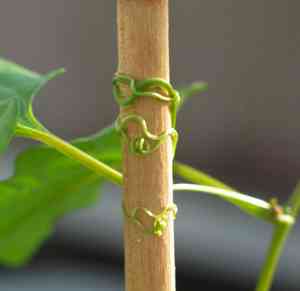
A robust climbing plant, american buckwheat vine frequently necessitates annual trimming to preserve its form and foster its well-being. Essential pruning methods entail excising deceased or frail stalks to stimulate fresh development and enhance air movement. This horticultural task should be carried out in late winter or early spring, prior to the commencement of the active growth period. Distinct advantages of pruning american buckwheat vine encompass improved blooming, more effective pest control, and the prevention of excessive proliferation. Consistent trimming also enables cultivators to skillfully guide american buckwheat vine onto supports or along architectural elements.
What Are the Benefits of Pruning American Buckwheat Vine?
What Are the Benefits of Pruning American Buckwheat Vine?
Trimming american buckwheat vine promotes robust development and maintains its form. It helps the plant direct its energy towards producing strong new shoots and prevents it from becoming overgrown and untidy.
What Is the Best Time for Pruning American Buckwheat Vine?
What Is the Best Time for Pruning American Buckwheat Vine?
Late winter and early spring are considered the optimal periods for pruning american buckwheat vine because this timeframe typically precedes the start of the new growth cycle, ensuring that pruning does not hinder emerging foliage and flowers. During late winter, the plant remains dormant, which minimizes stress on american buckwheat vine and reduces the risk of sap loss or disease entry through pruning cuts. Pruning in early spring allows for the removal of any cold-damaged or diseased branches before new growth commences, fostering healthier development and more abundant flowering or fruiting later in the year. By adhering to these seasons, gardeners can help preserve the overall structure and vitality of american buckwheat vine, ensuring optimal growth and appearance.
What Tools Do I Need to Prune American Buckwheat Vine?
Hand Pruners
Perfect for making precise cuts on american buckwheat vine's smaller stems and can handle branches up to 3/4 inches in diameter, ensuring clean cuts that encourage healthy regrowth.
Loppers
Suitable for cutting thicker stems of american buckwheat vine that hand pruners cannot manage, typically those up to 1 1/2 inches in diameter, providing leverage and reach.
Pruning Saw
Essential for american buckwheat vine's mature and woody stems larger than 1 1/2 inches in diameter, where hand pruners and loppers are ineffective.
Protective Gloves
Crucial for safeguarding the gardener's hands from american buckwheat vine's rough textures and any potential skin irritants during pruning.
Gardening Shears
Useful for shaping and managing the growth of american buckwheat vine, especially for trimming soft foliage or thin, non-woody stems.
How to Prune American Buckwheat Vine
Cleaning Tools
Before pruning american buckwheat vine, sanitize the pruning tools using a solution of nine parts water to one part bleach to prevent the spread of disease.
Removing Diseased Leaves
Carefully inspect american buckwheat vine for any diseased leaves, characterized by unusual spots, discoloration, or decay. Use sterilized clippers to snip off each diseased leaf at the base where it meets the stem, taking care not to harm healthy foliage.
Eliminating Withered Leaves
Identify withered or dead leaves on american buckwheat vine, which typically appear dry, crumbly, and brown. Gently remove these leaves by hand if they come off easily or use the sterilized pruning clippers to make clean cuts at the point where the withered leaf connects to the stem.
Pruning Cleanup
Dispose of the removed diseased and withered leaves far from american buckwheat vine or destroy them by burning if permitted, as they can harbor pests and pathogens which might infect the plant or surrounding flora.
Post Pruning Care
After pruning american buckwheat vine, water the plant adequately and provide the appropriate fertilizers to encourage the growth of healthy foliage, aiding the plant's recovery and vigor.
Common Pruning Mistakes with American Buckwheat Vine
Over-Pruning
Removing too much growth in one pruning session can stress american buckwheat vine, leading to weak growth or reduced vigor.
Neglecting Dead Or Diseased Stems
Failing to remove dead or diseased material can inhibit healthy growth in american buckwheat vine and may lead to the spread of disease.
Improper Cuts
Making jagged or torn cuts, or cutting too close to the main stem, could create entry points for disease and impede healthy regrowth in american buckwheat vine.
Pruning Without Sterilizing Tools
Using unsterilized pruning tools may introduce or spread diseases to american buckwheat vine.
Disregarding Growth Habit
Ignoring american buckwheat vine's natural growth habit may lead to a loss of shape and structure, negatively affecting its aesthetic appeal and health.
Shaping Too Aggressively
Forcing american buckwheat vine into an unnatural shape through heavy-handed pruning can lead to poor plant health and diminished flowering.
Common Pruning Tips for American Buckwheat Vine
Sharp Tools
Use clean, sharp pruning shears to make precise cuts that will heal quickly, minimizing stress on american buckwheat vine.
Strategic Thinning
Thin american buckwheat vineâs growth to increase air circulation, which helps prevent disease and promotes strong, healthy plants.
Regular Maintenance
Regularly inspect and remove dead, damaged, or diseased stems to maintain the health and appearance of american buckwheat vine.
Follow Natural Form
Prune american buckwheat vine according to its natural shape, allowing it to grow in a way that supports its health and flowering capability.
Focus On Older Stems
Prune older stems to encourage new growth on american buckwheat vine, as this can stimulate flowering and maintain plant vigor.
Disinfect Tools
Disinfect pruning tools before and after use to prevent the spread of diseases to and from american buckwheat vine.
Judicious Pruning
Approach pruning with a conservative hand, understanding that american buckwheat vine responds best to moderate shaping rather than severe cuts.



